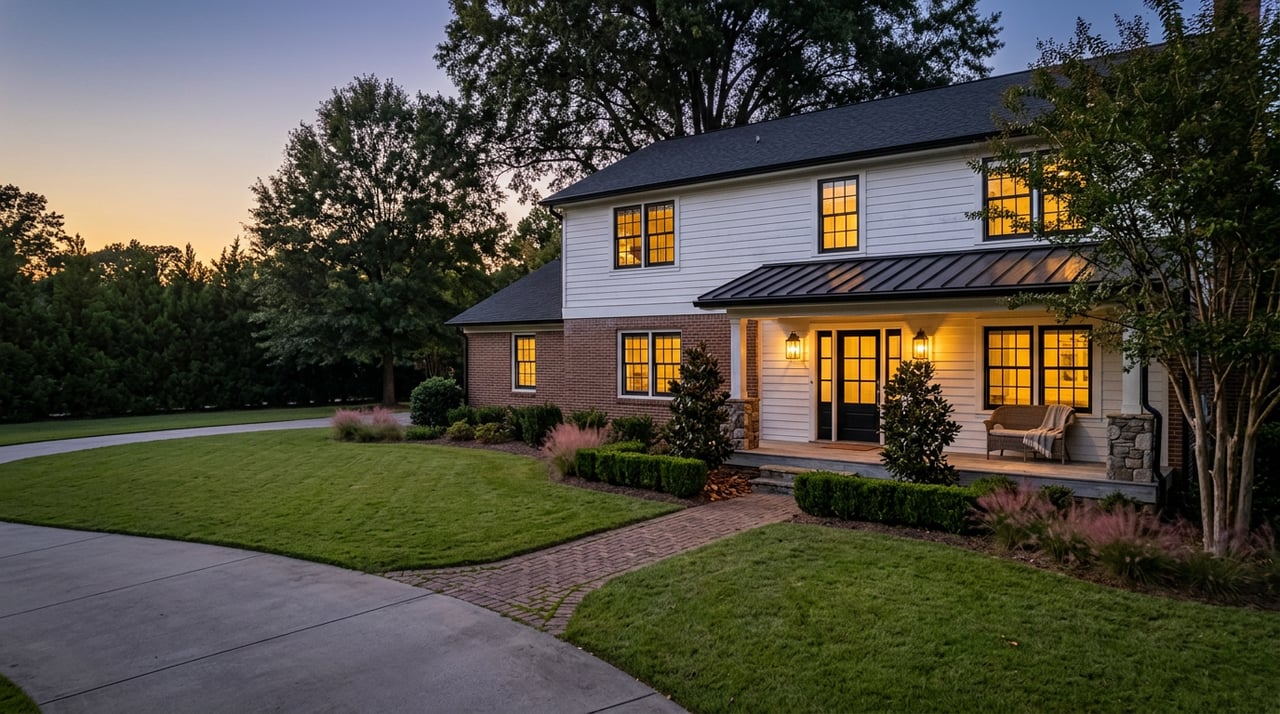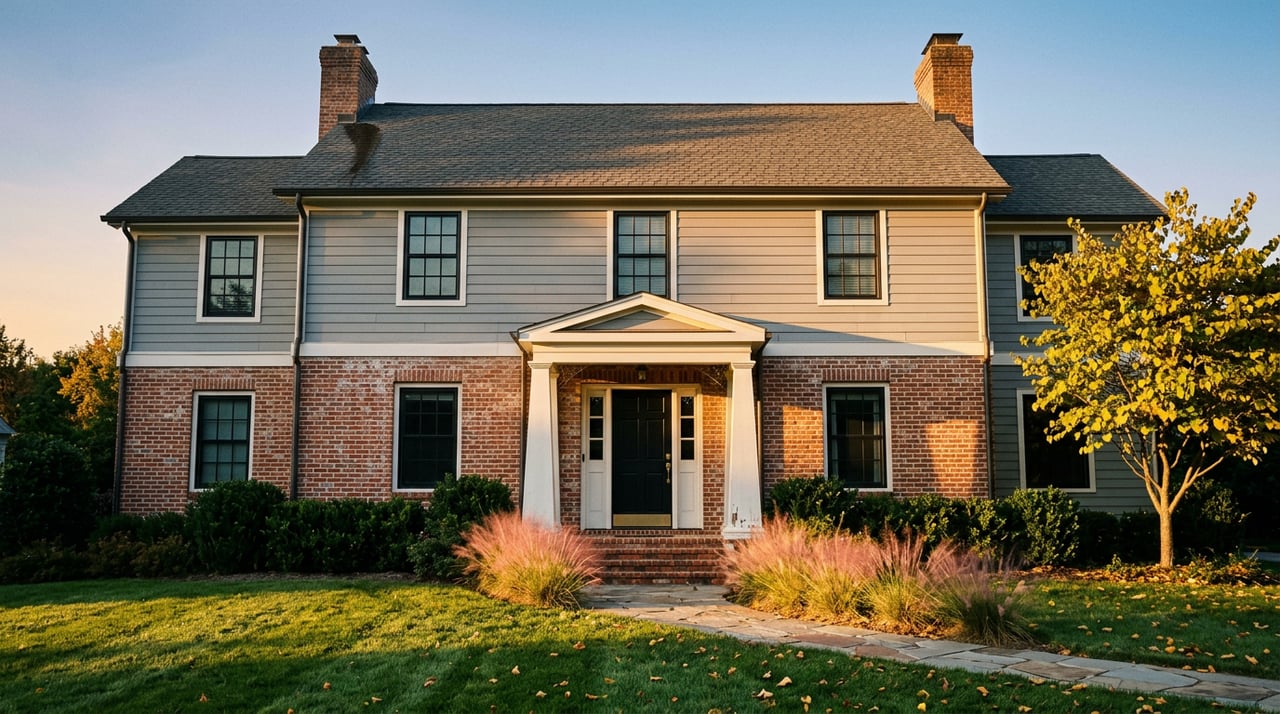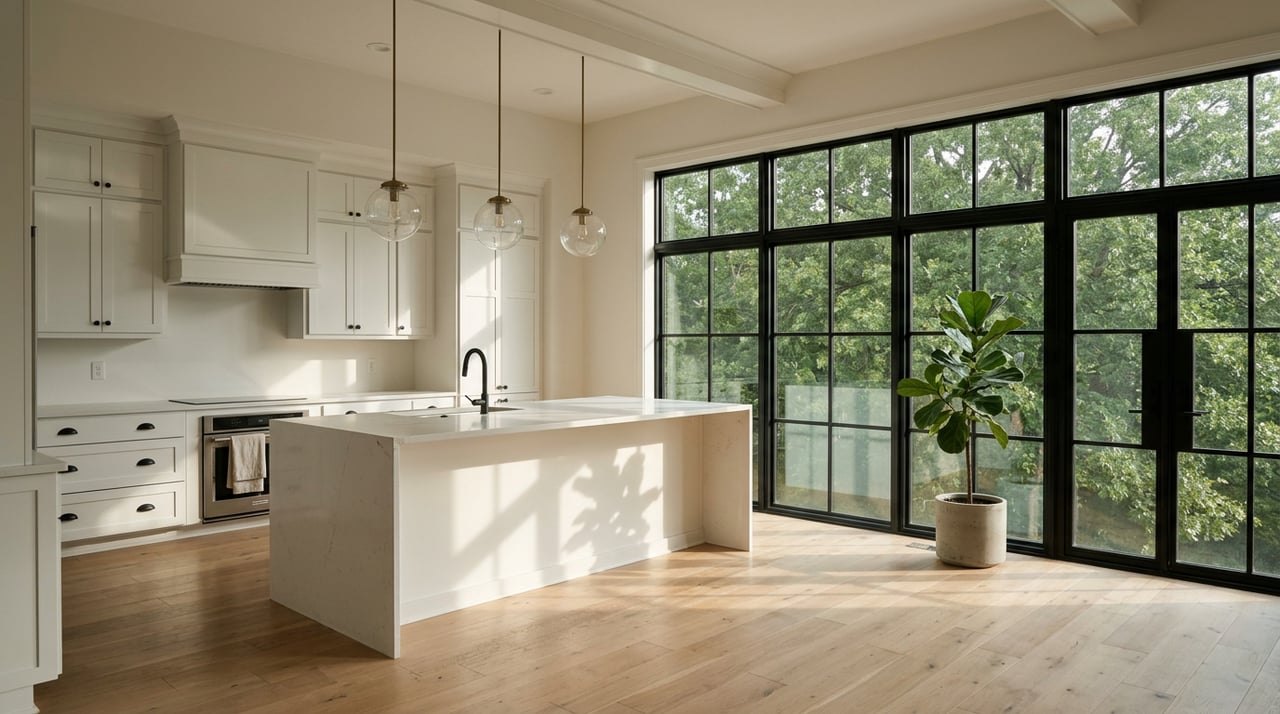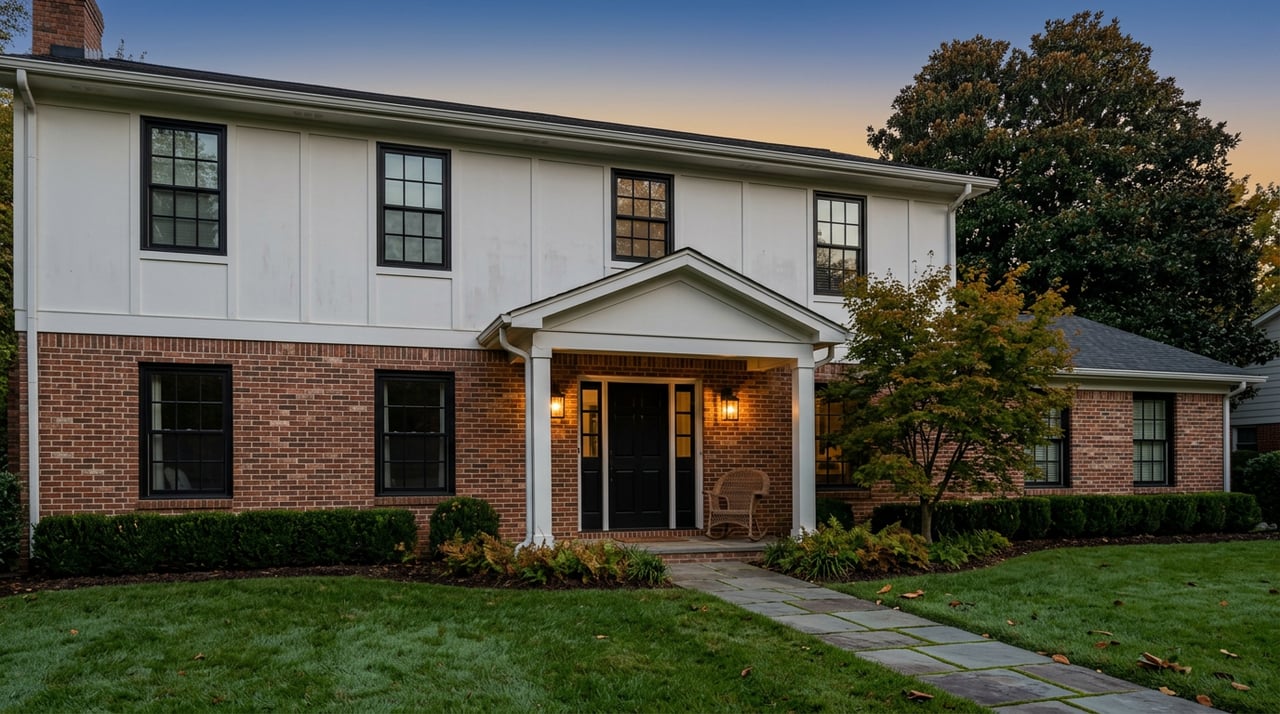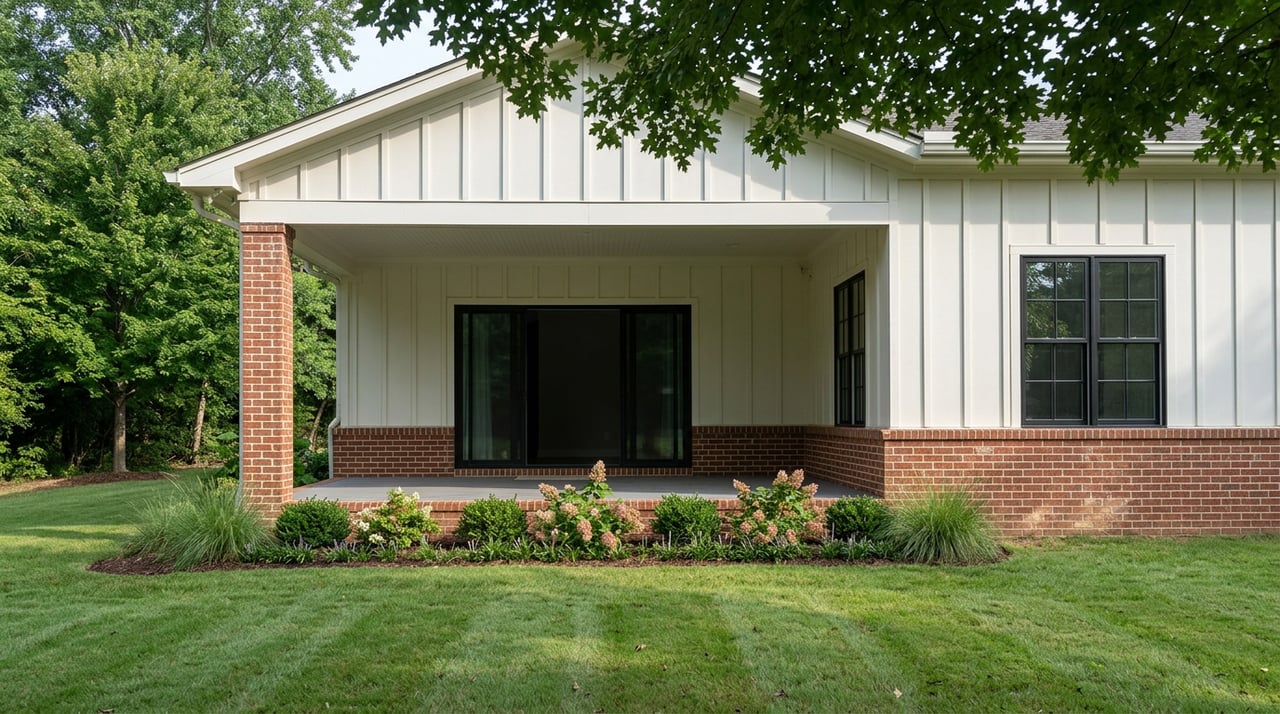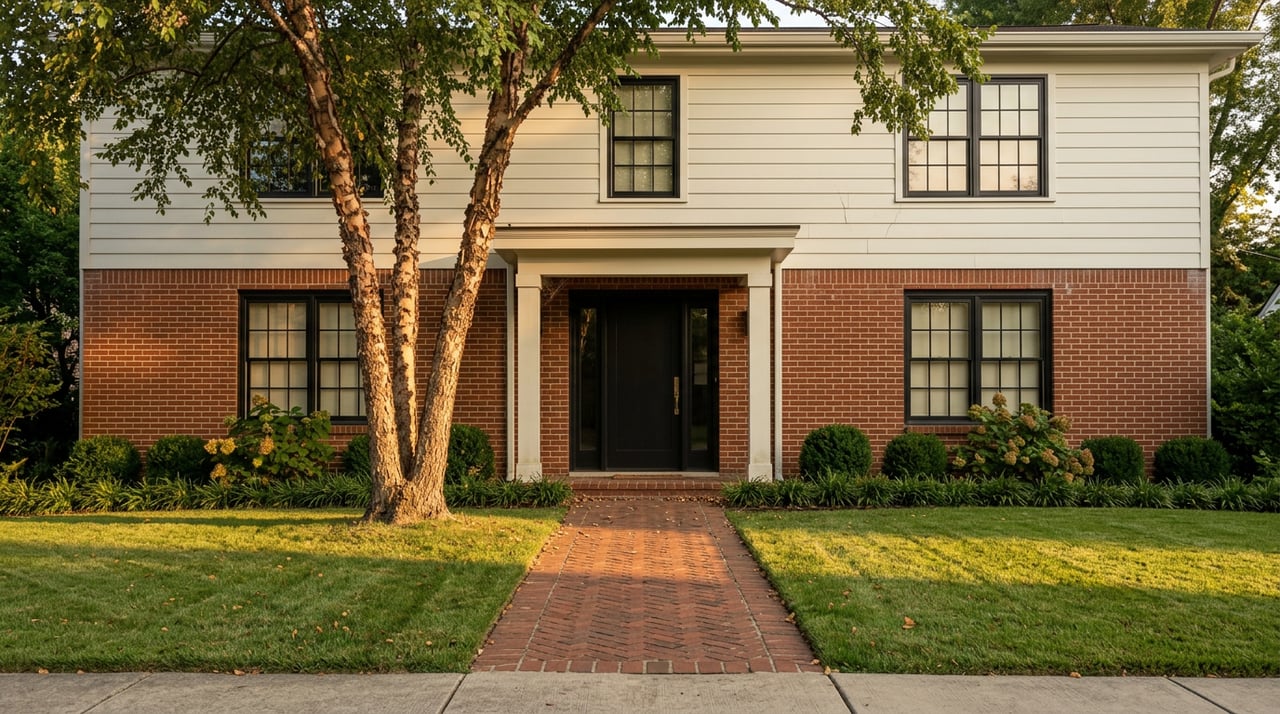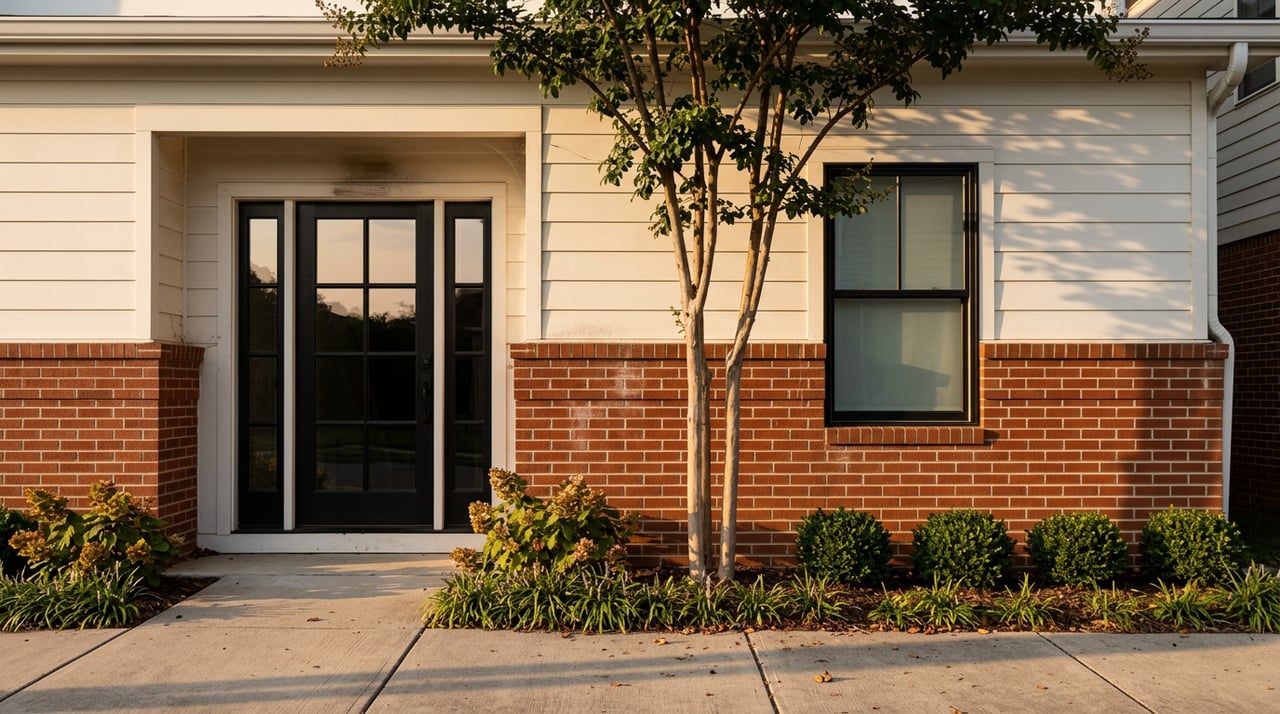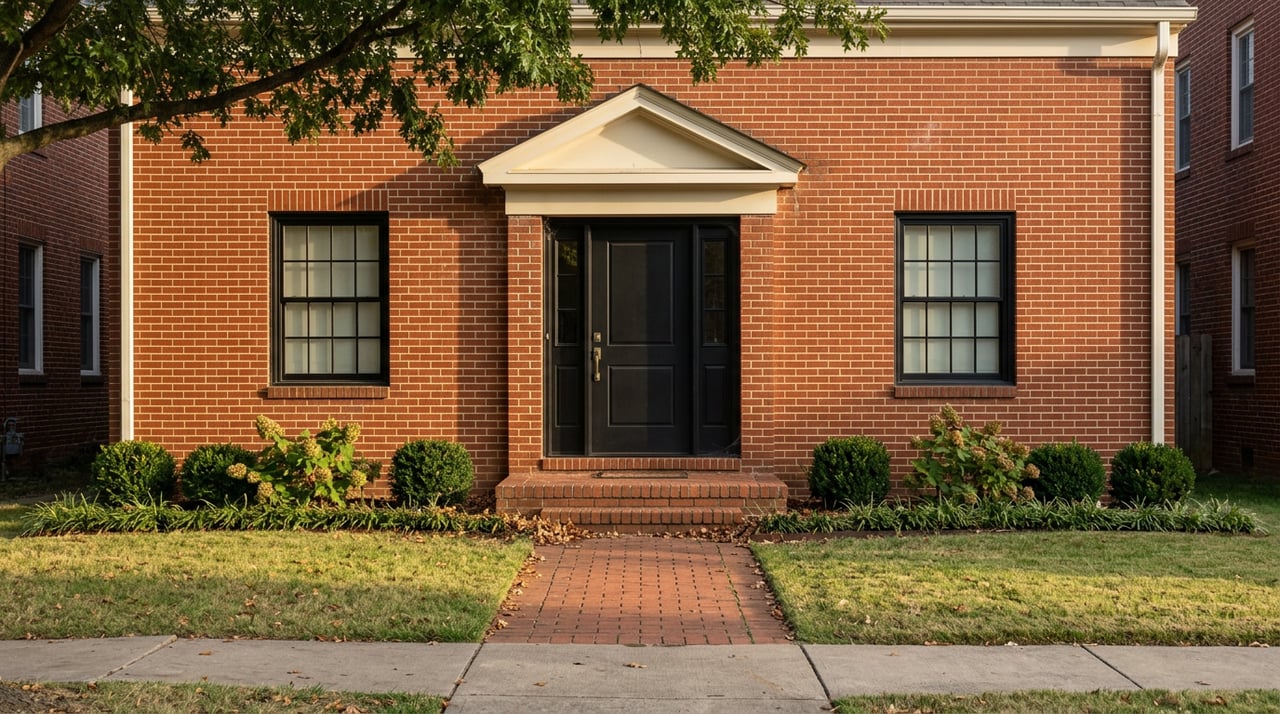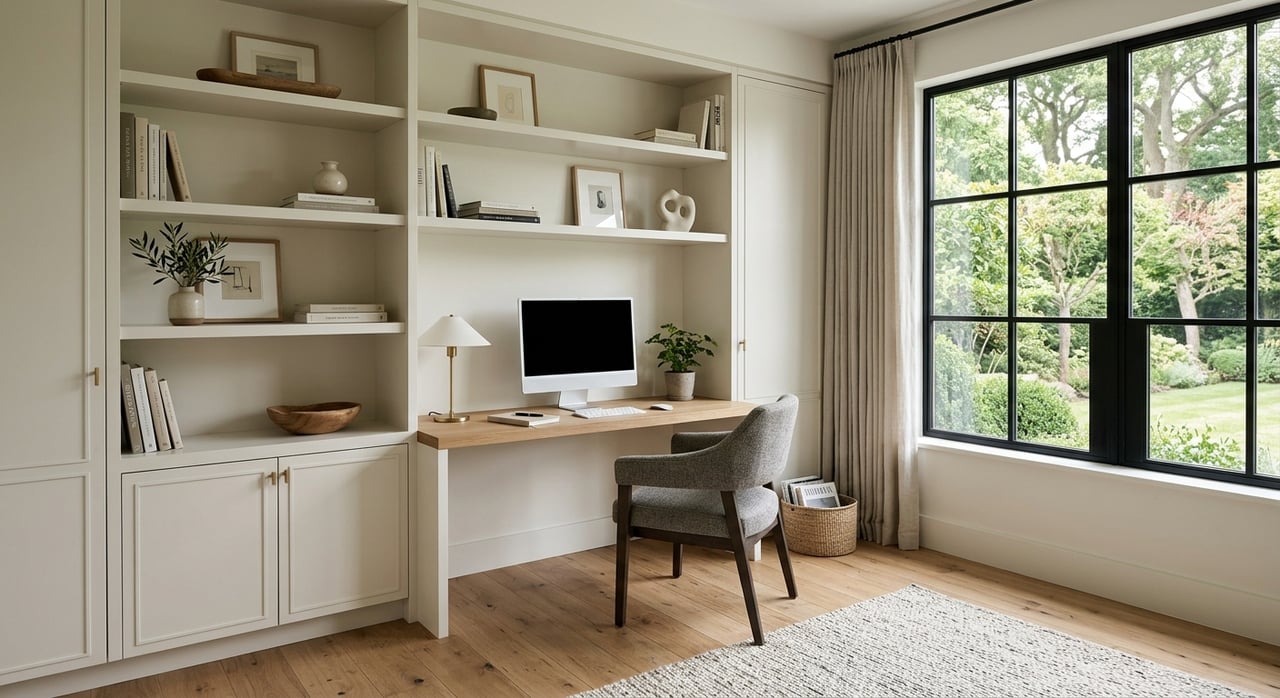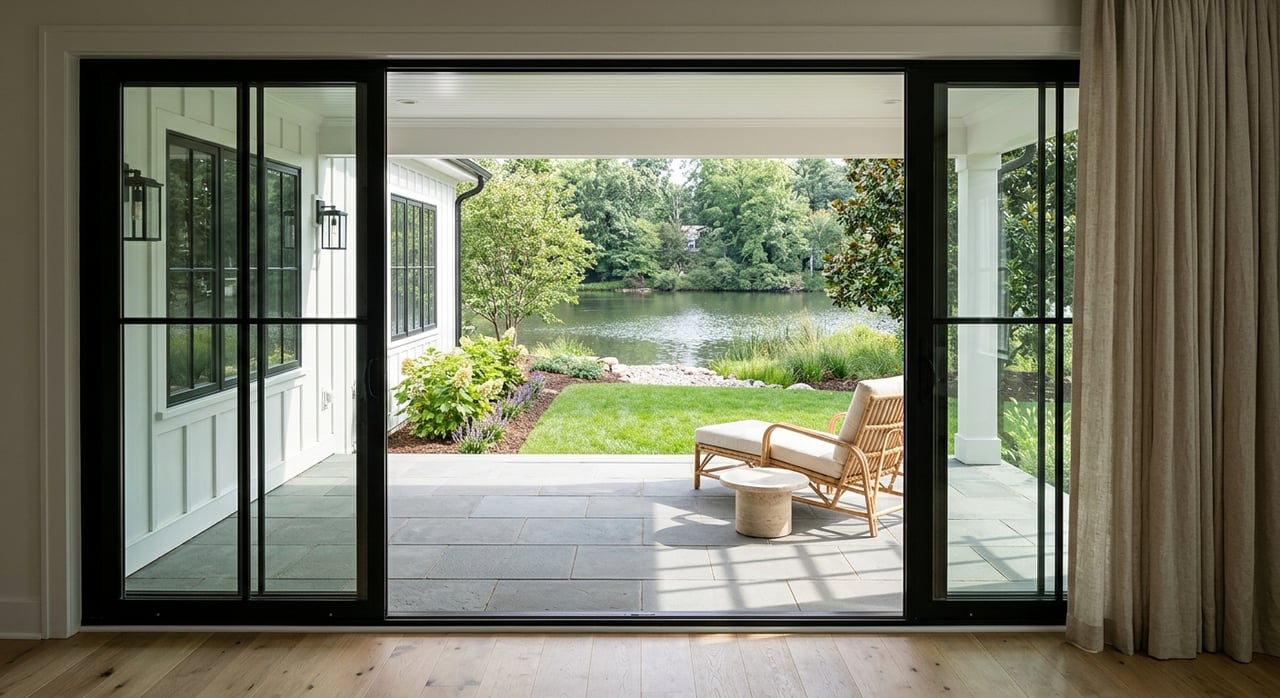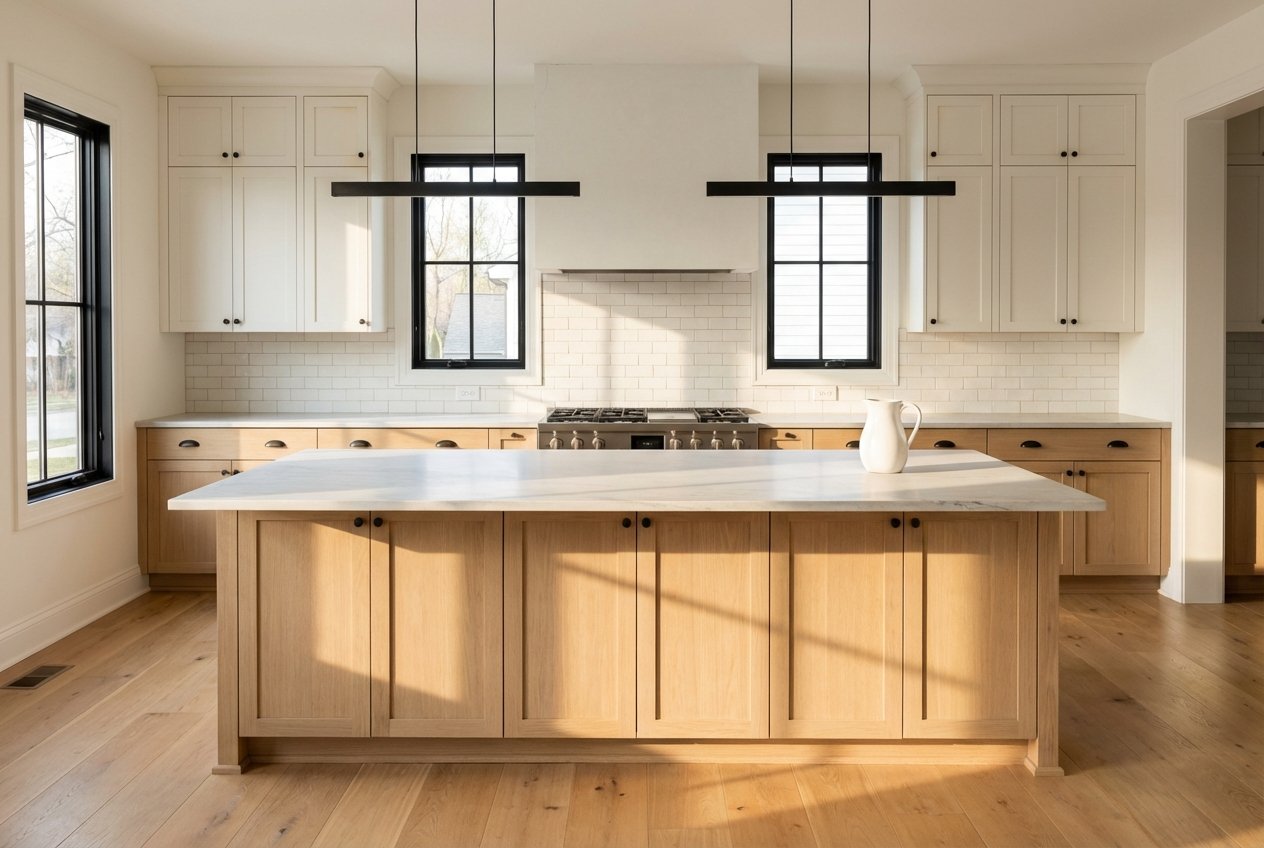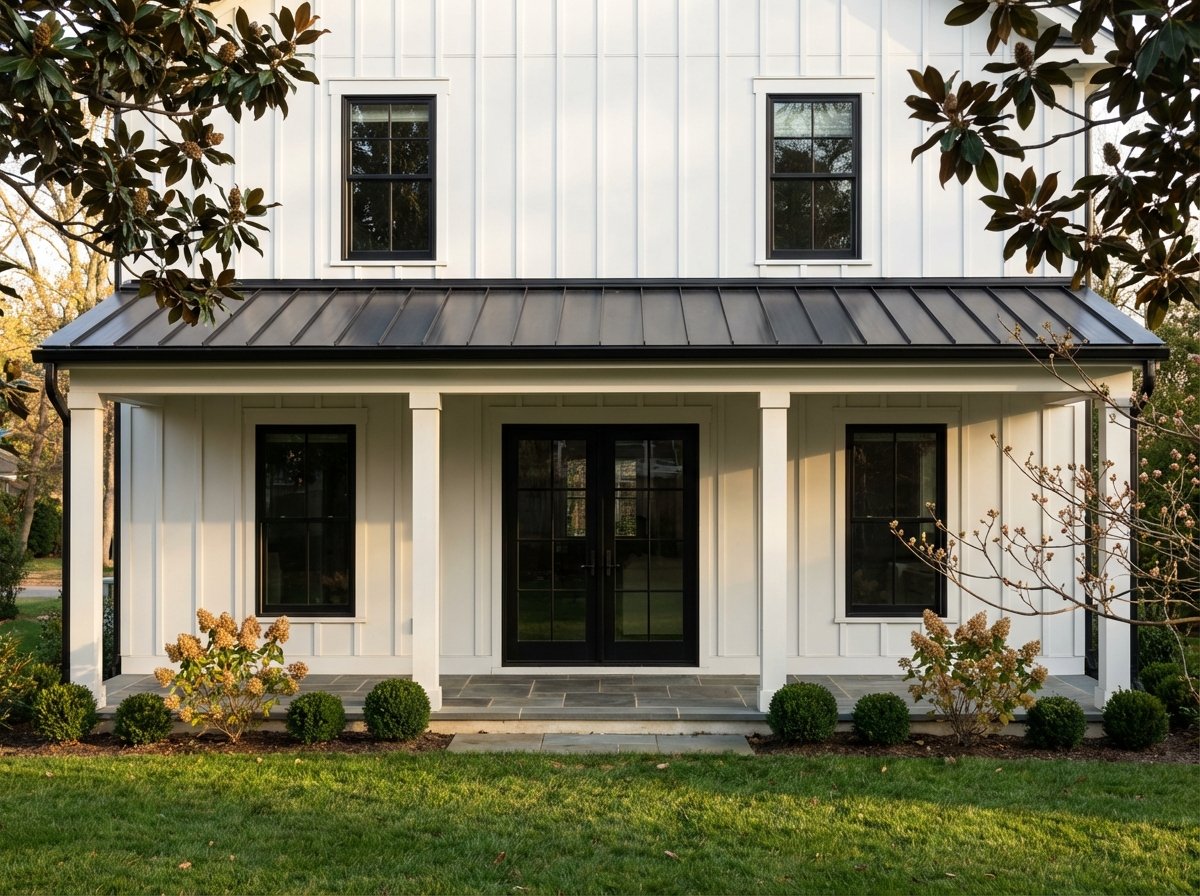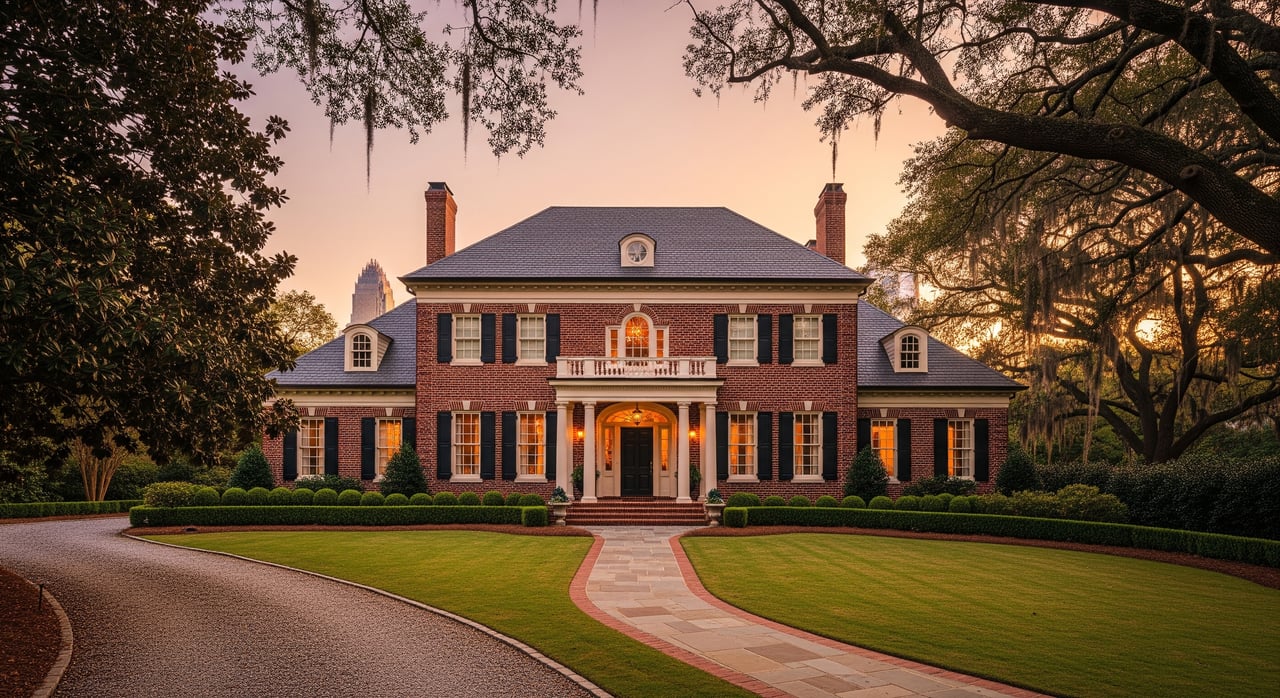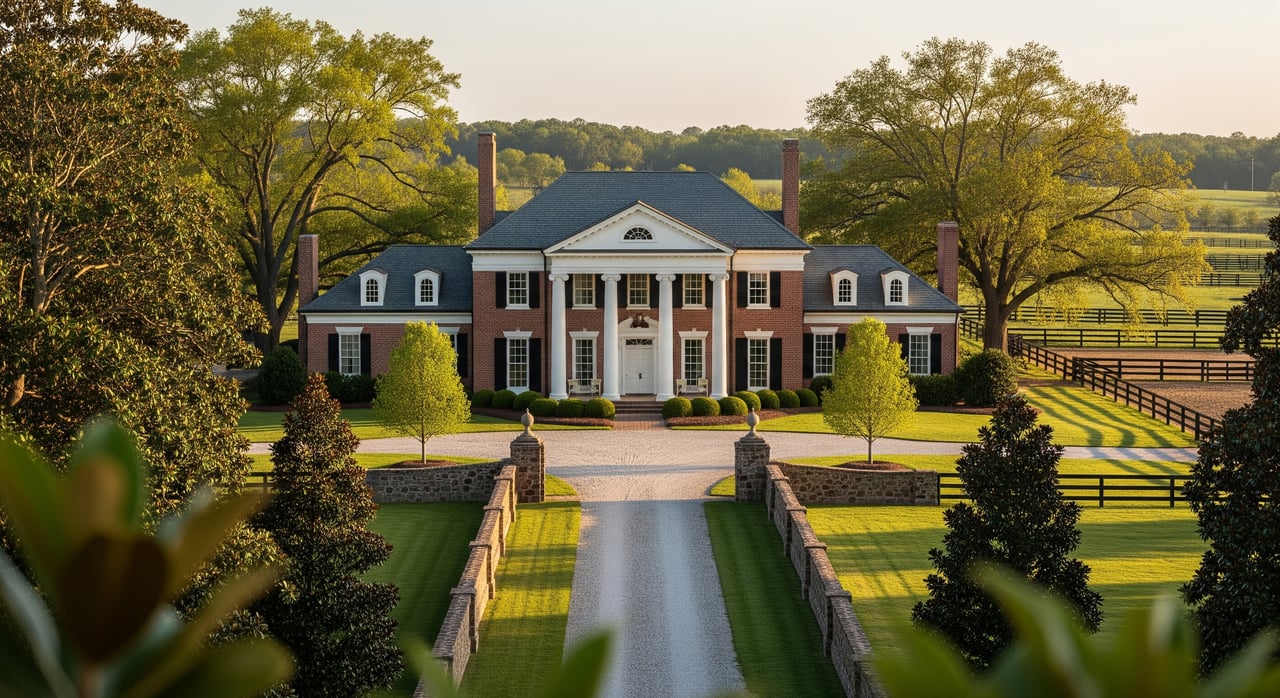
Drive New Town Road today and you will pass horse fencing, century-old farmhouse lots, and a construction crew framing houses where a field used to be. That last part is new. For most of its history, the Village of Marvin has been a place people drove through on the way to somewhere with a Target. Right now, for the first time since it incorporated in 1994, Marvin is building itself a center.
The plan has a name, a shape, and a filing cabinet full of zoning amendments behind it. It also has a timeline problem nobody selling a house in the district is advertising: the roads meant to carry the traffic this downtown will generate are running years behind the buildings.
What "Downtown" Actually Means Here
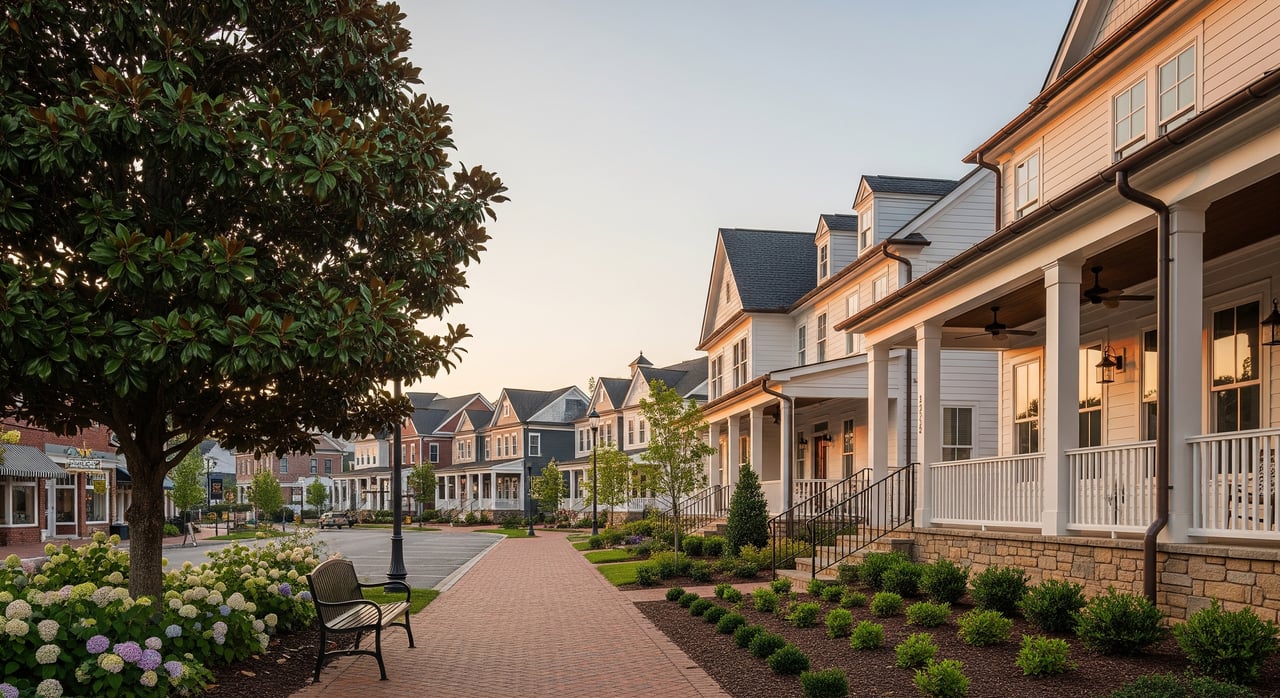
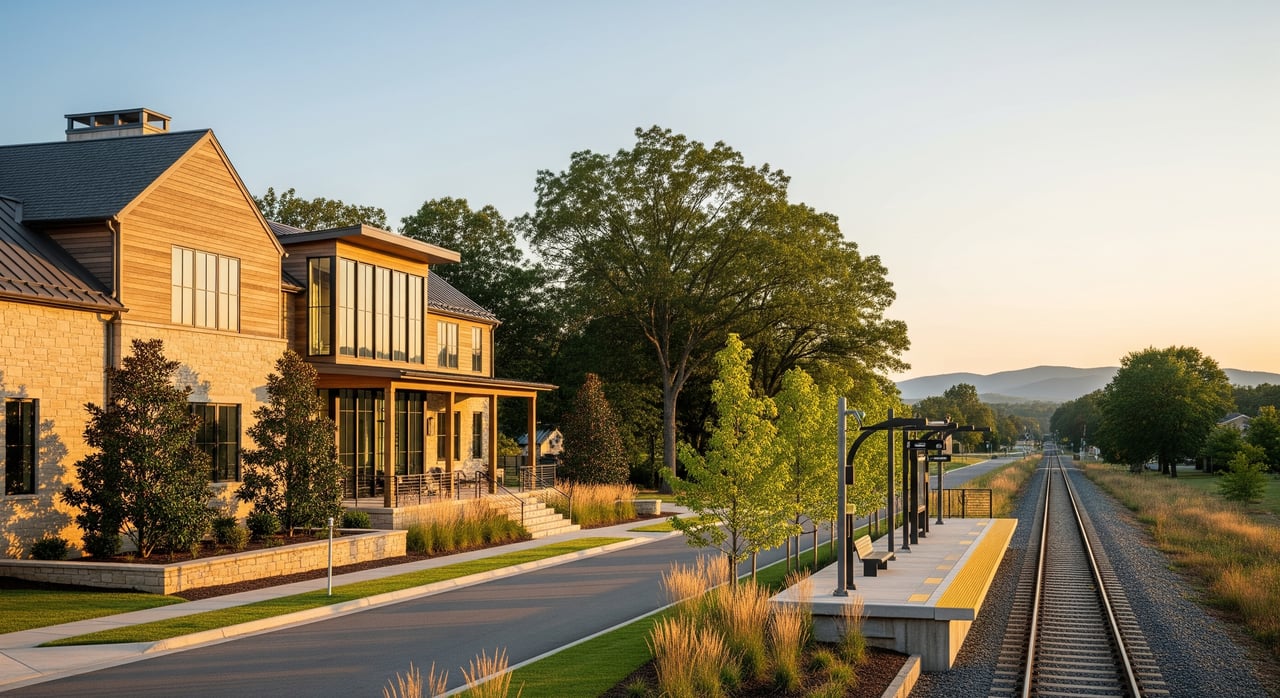
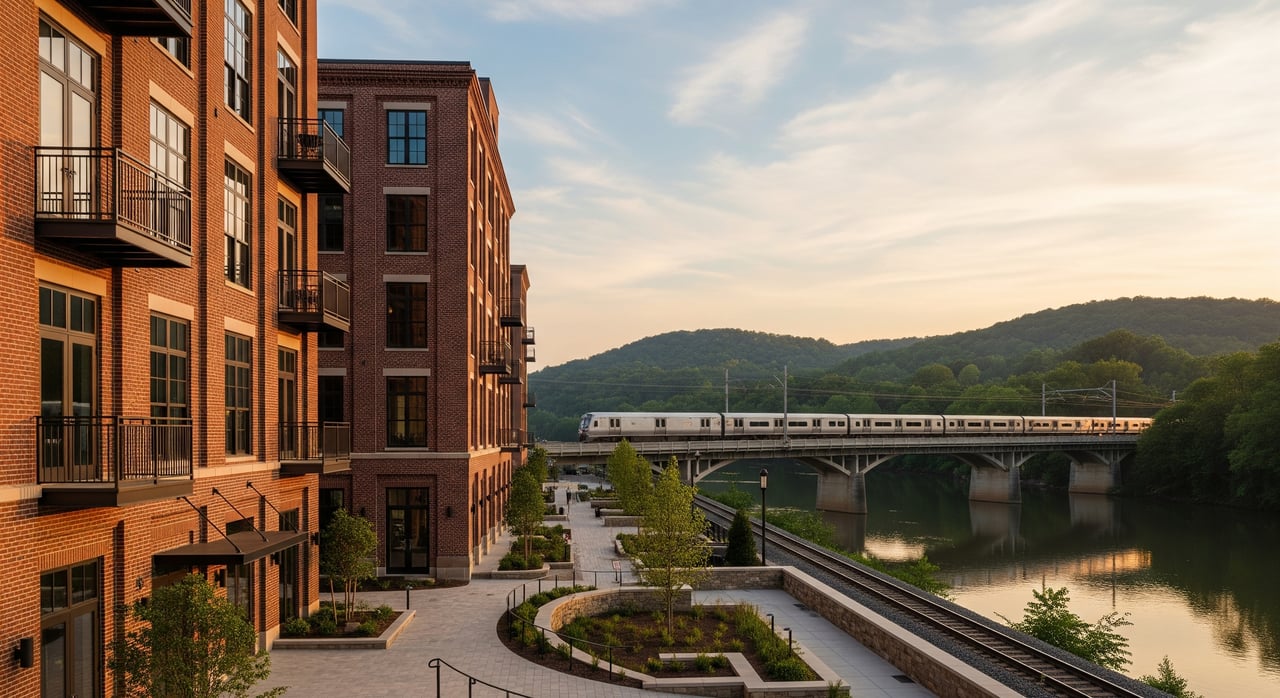
The project is called the Marvin Heritage District, a 125-acre mixed-use stretch along New Town Road that combines Village-owned land with parcels held by twelve other private property owners who signed onto a shared vision for the corridor. The village's own master plan document doesn't hedge about what it's going for. The stated goal is to transform the district into "a true 'downtown' environment that will serve as the cultural, entertainment, and civic center for the Village of Marvin."
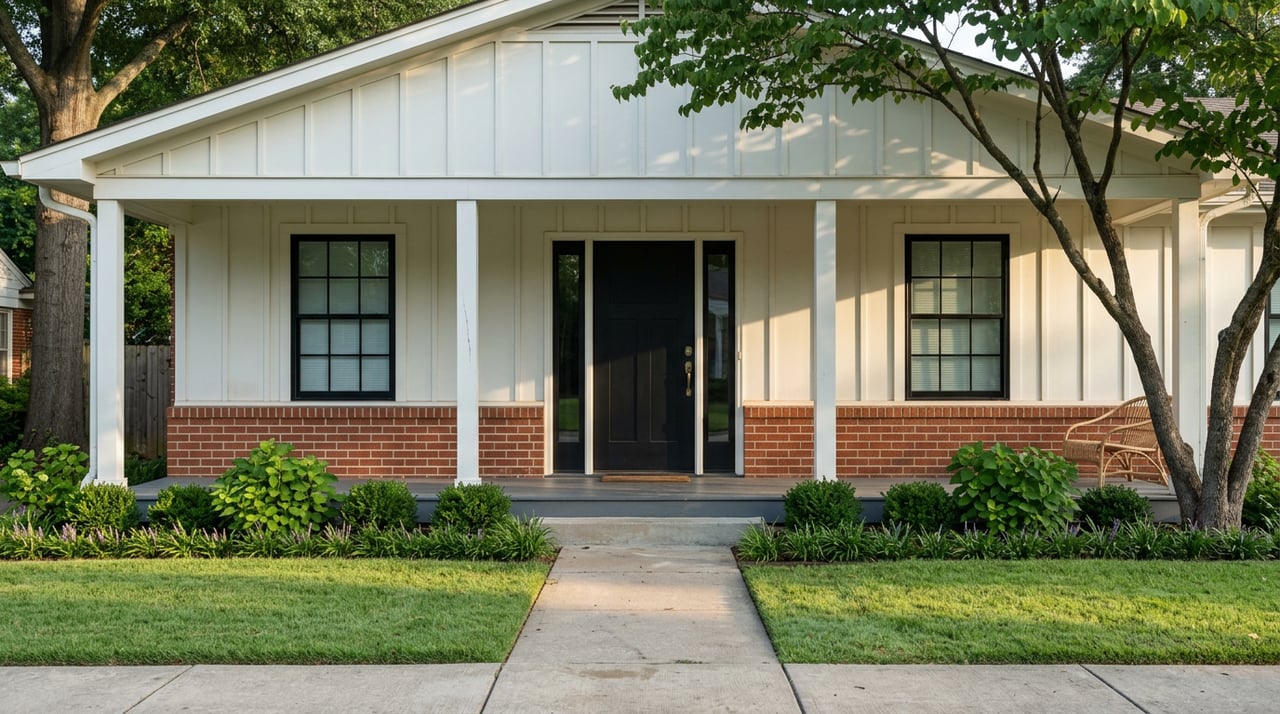
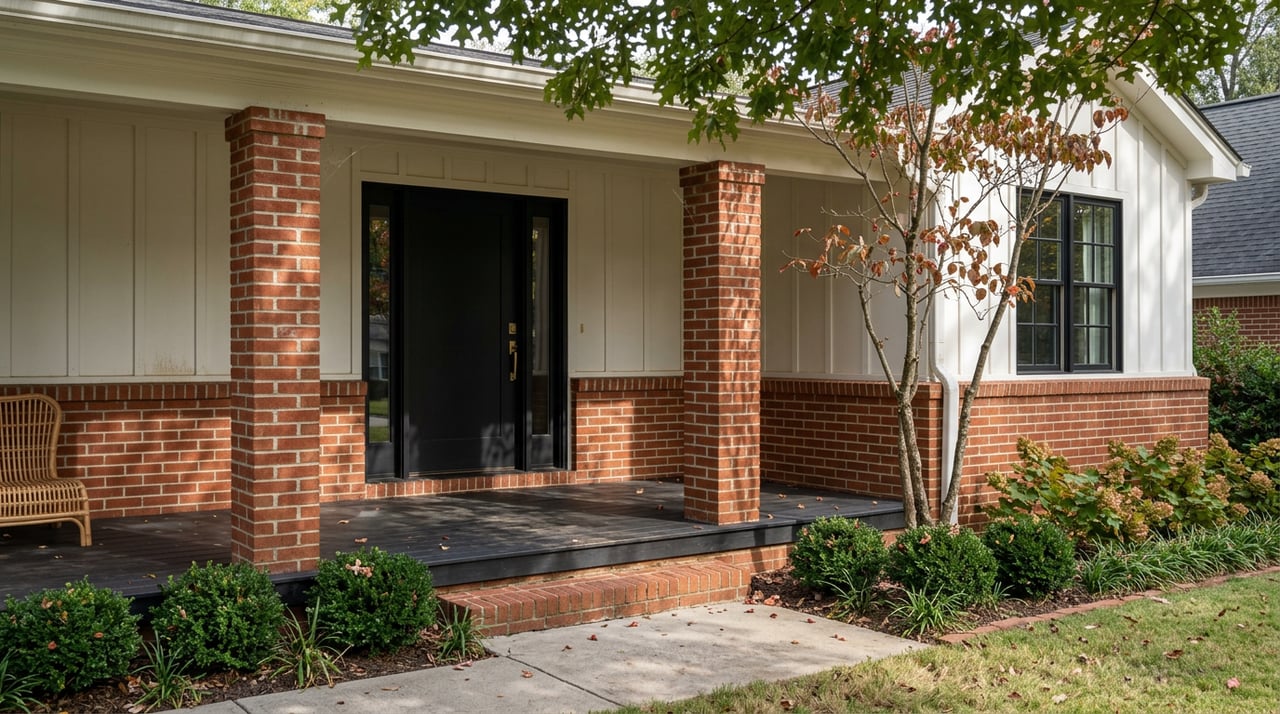
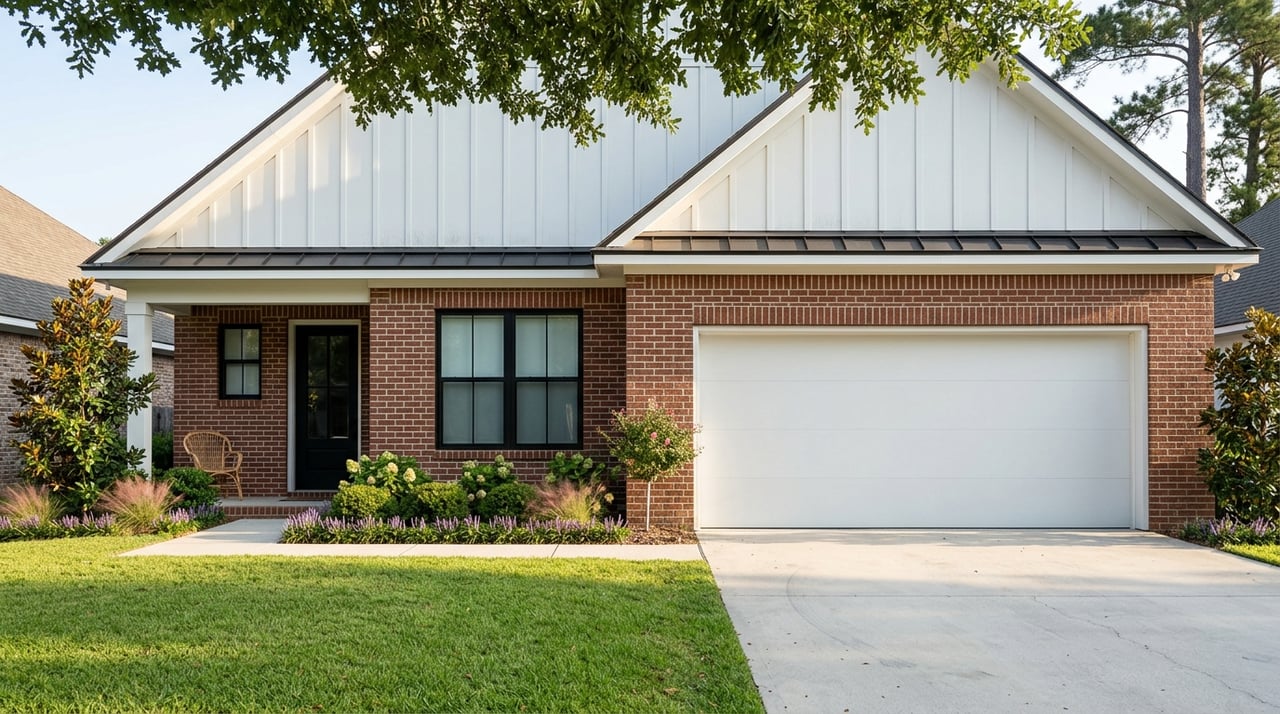
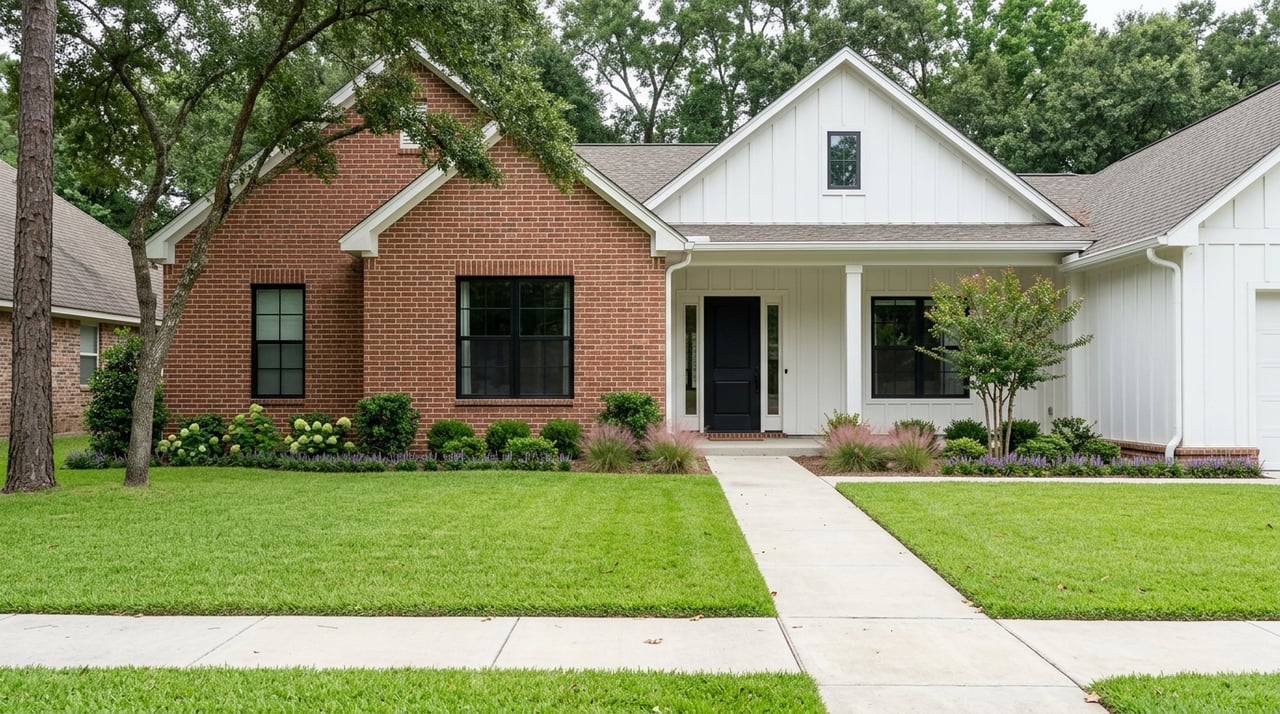
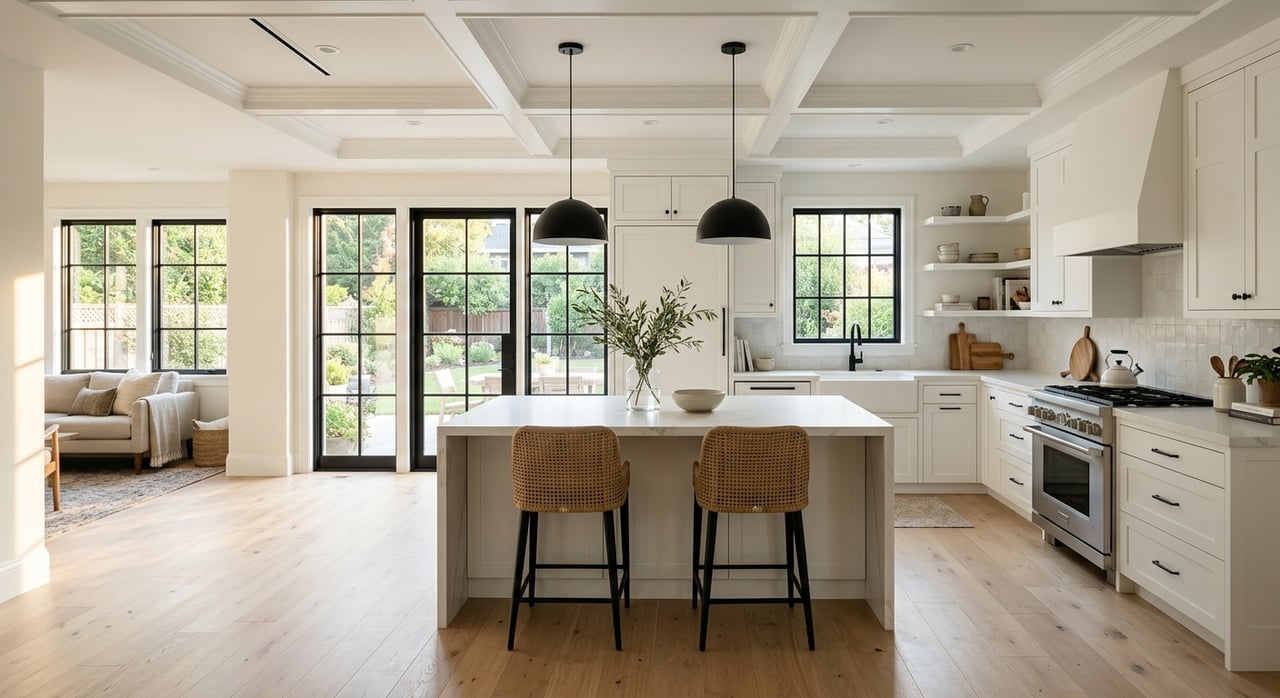
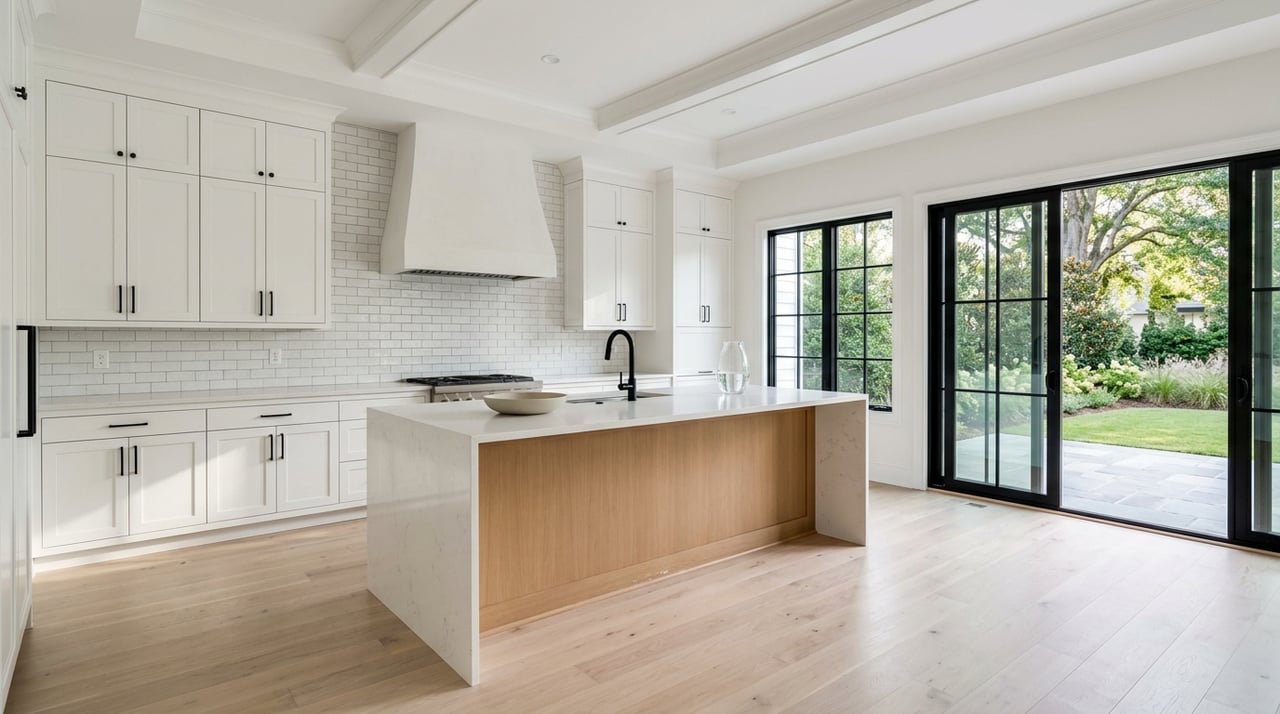
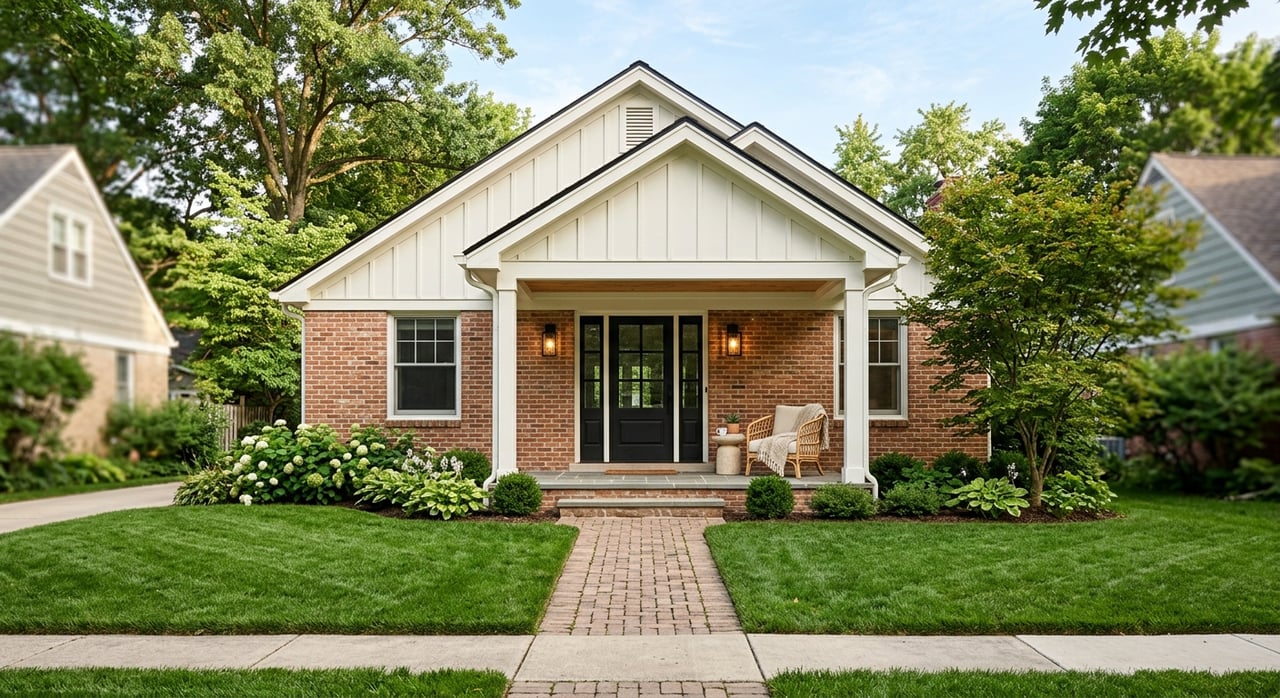
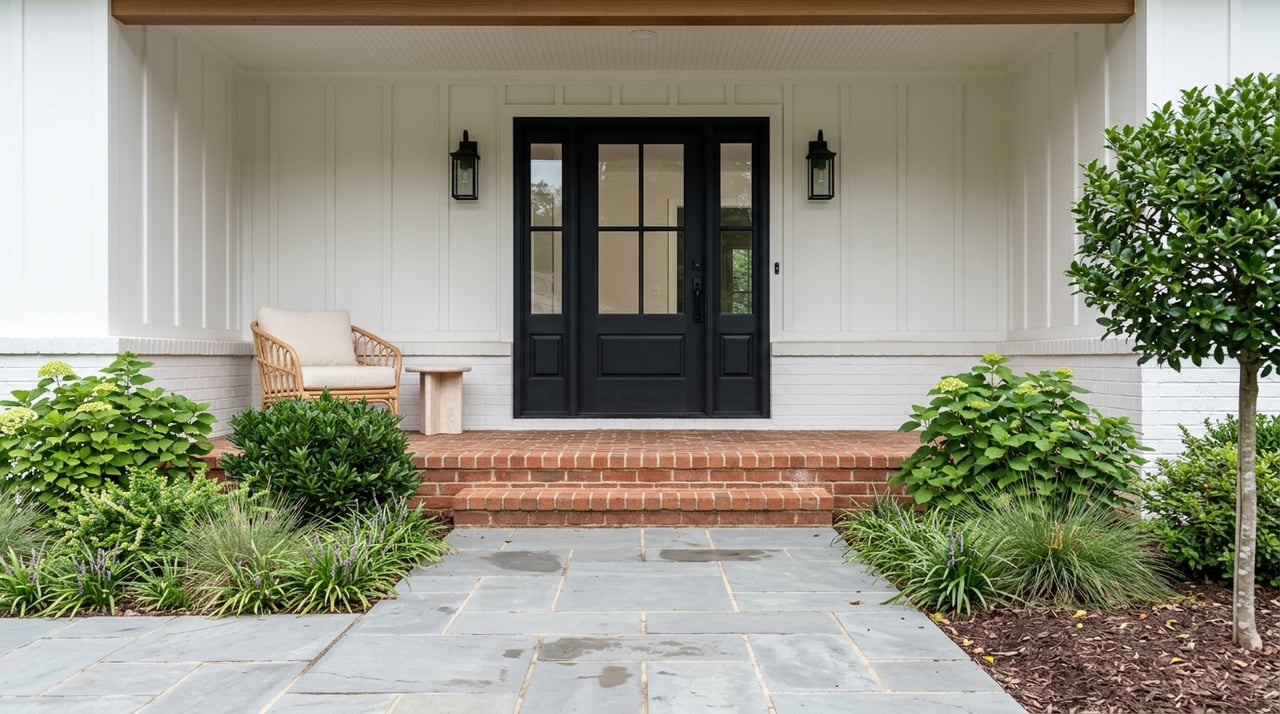
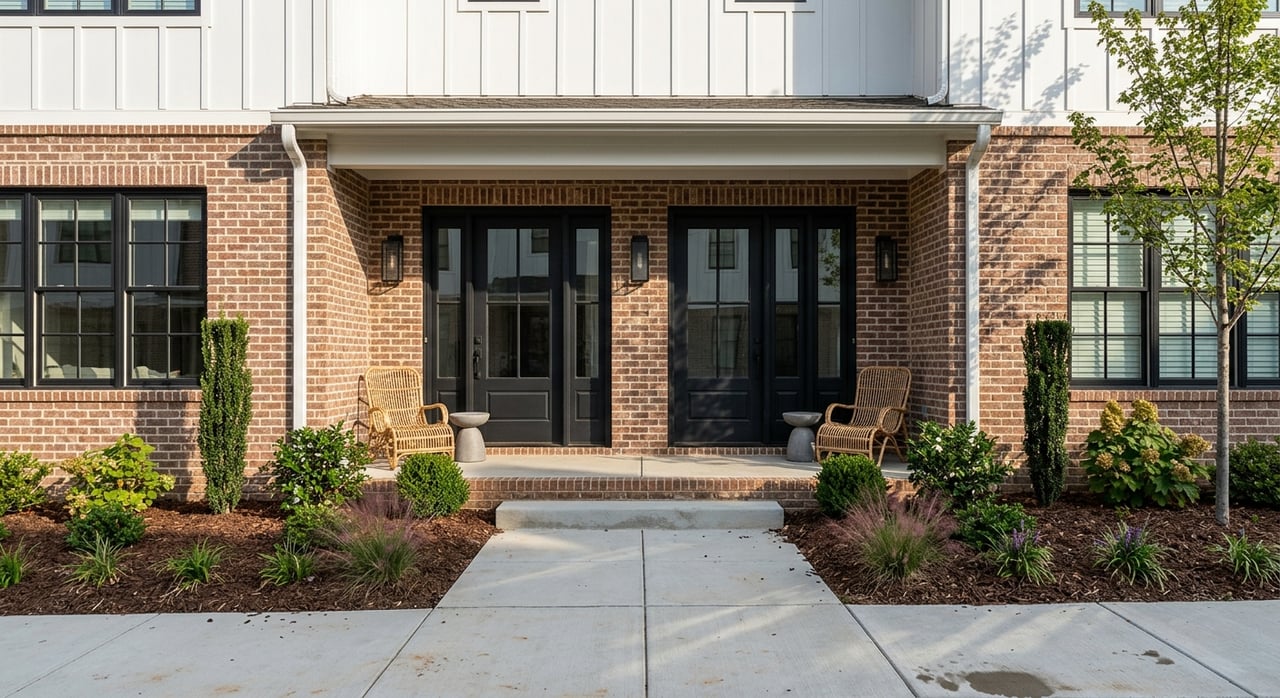
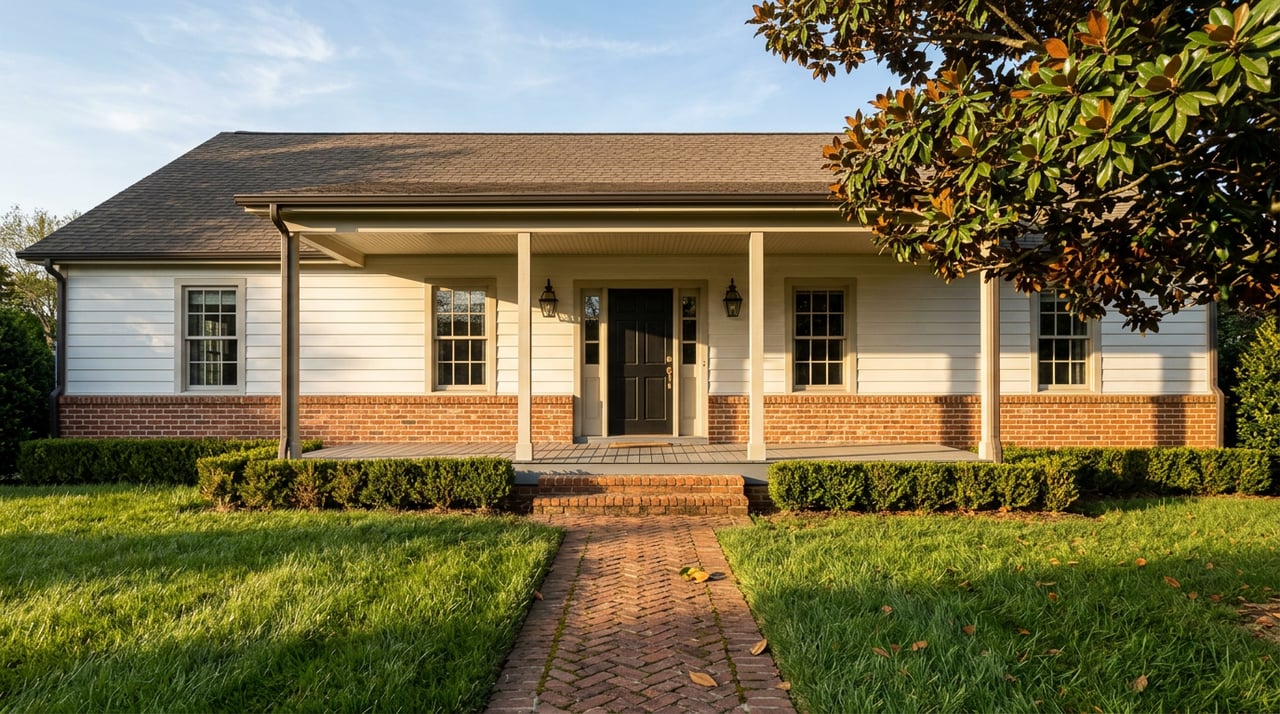
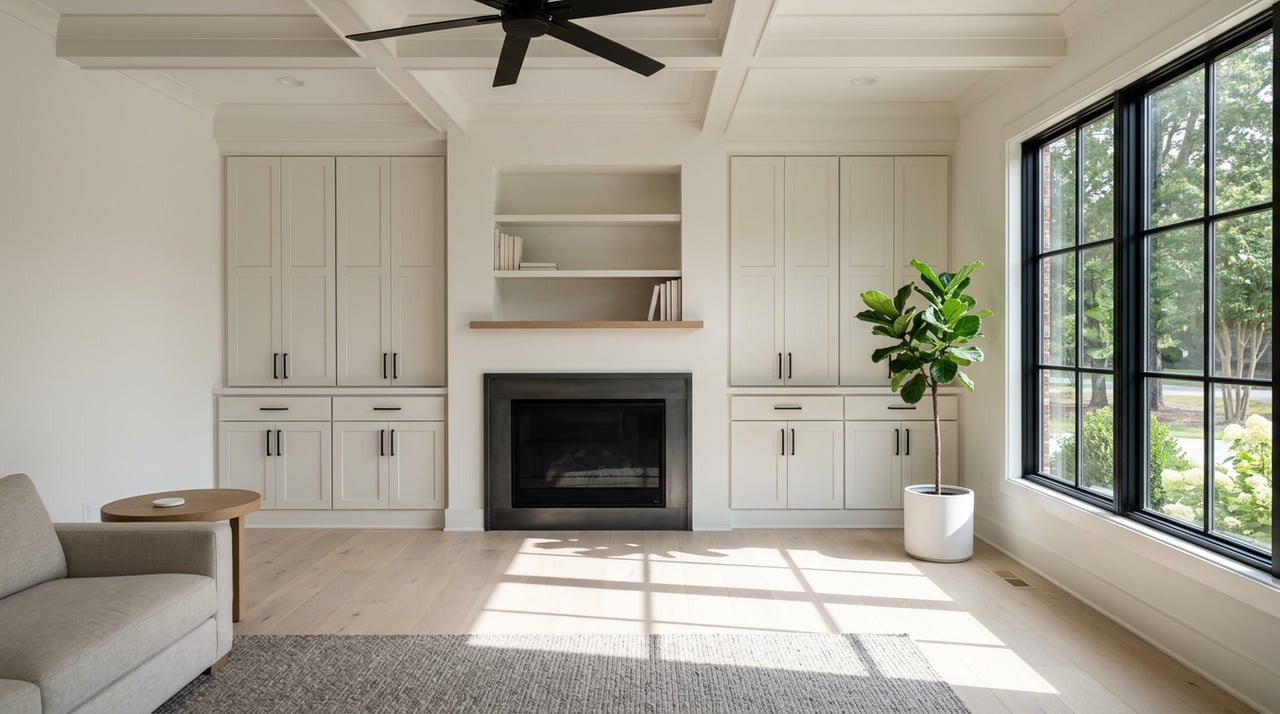
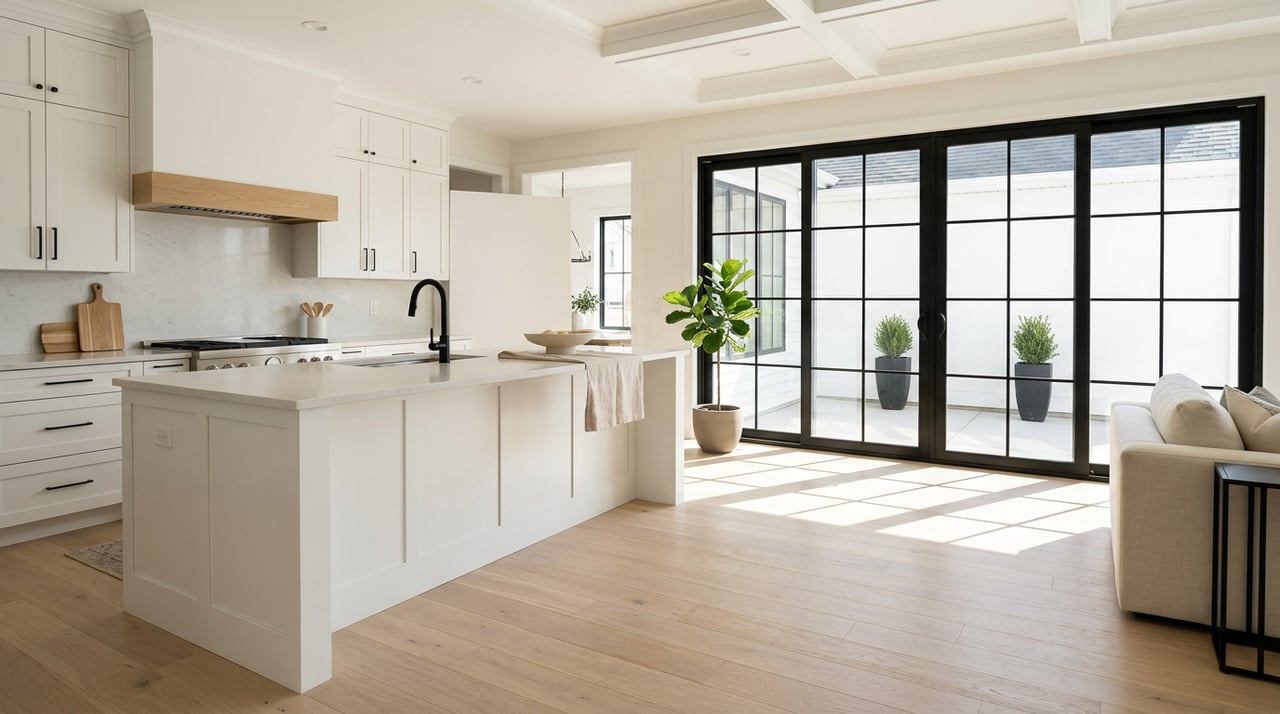
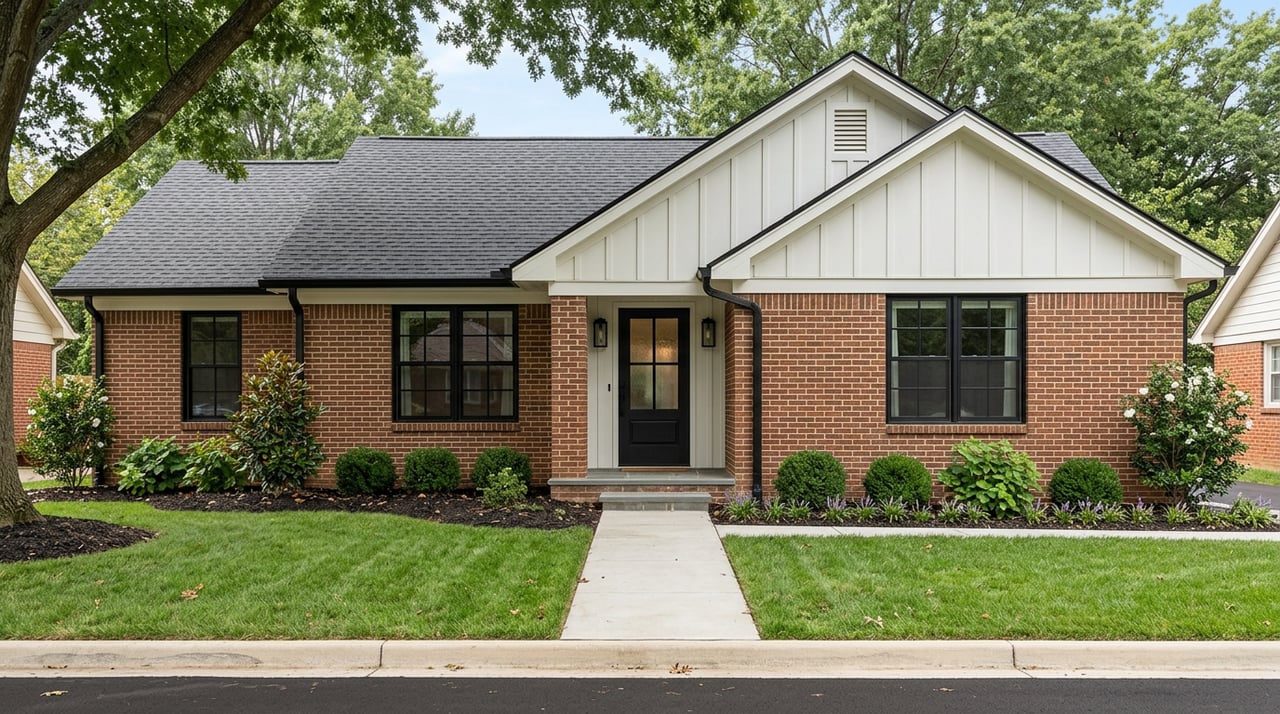
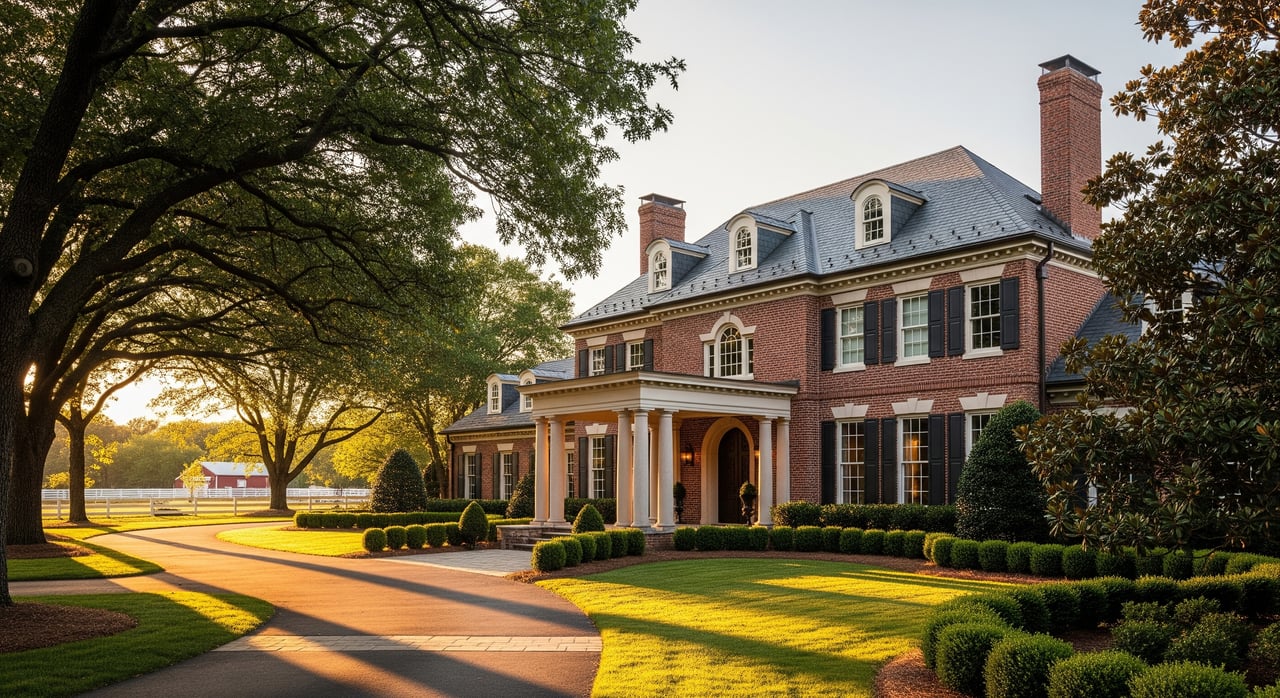
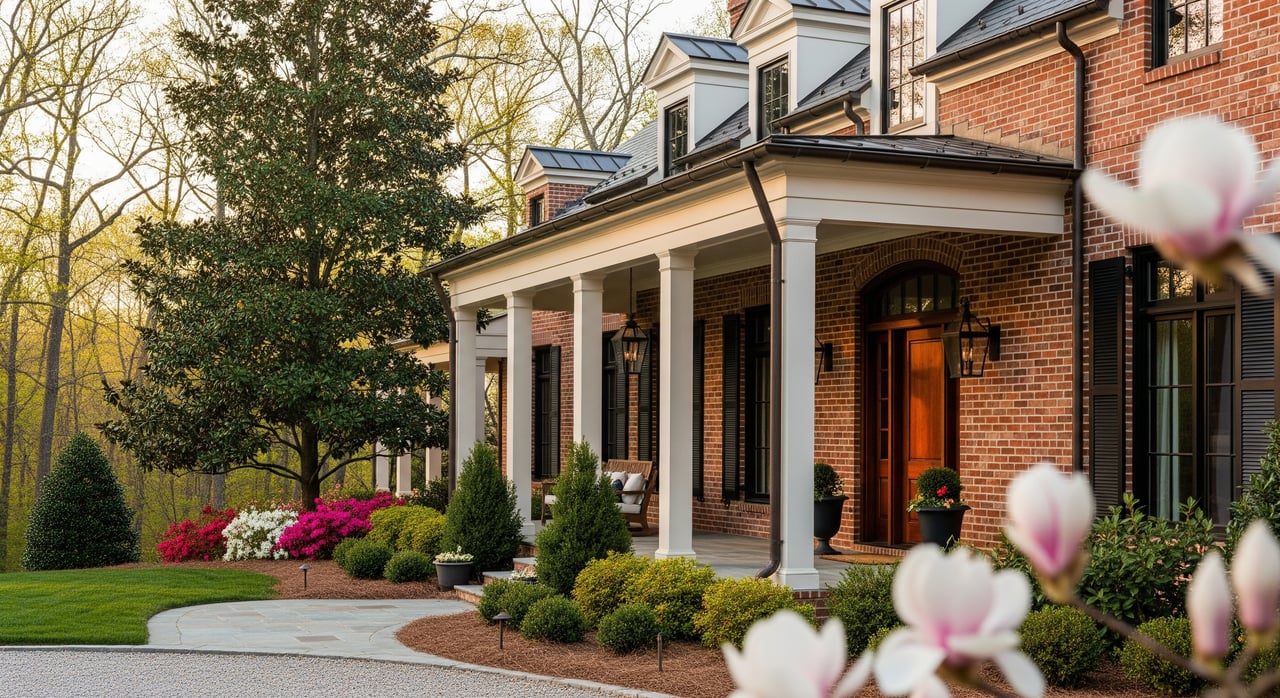
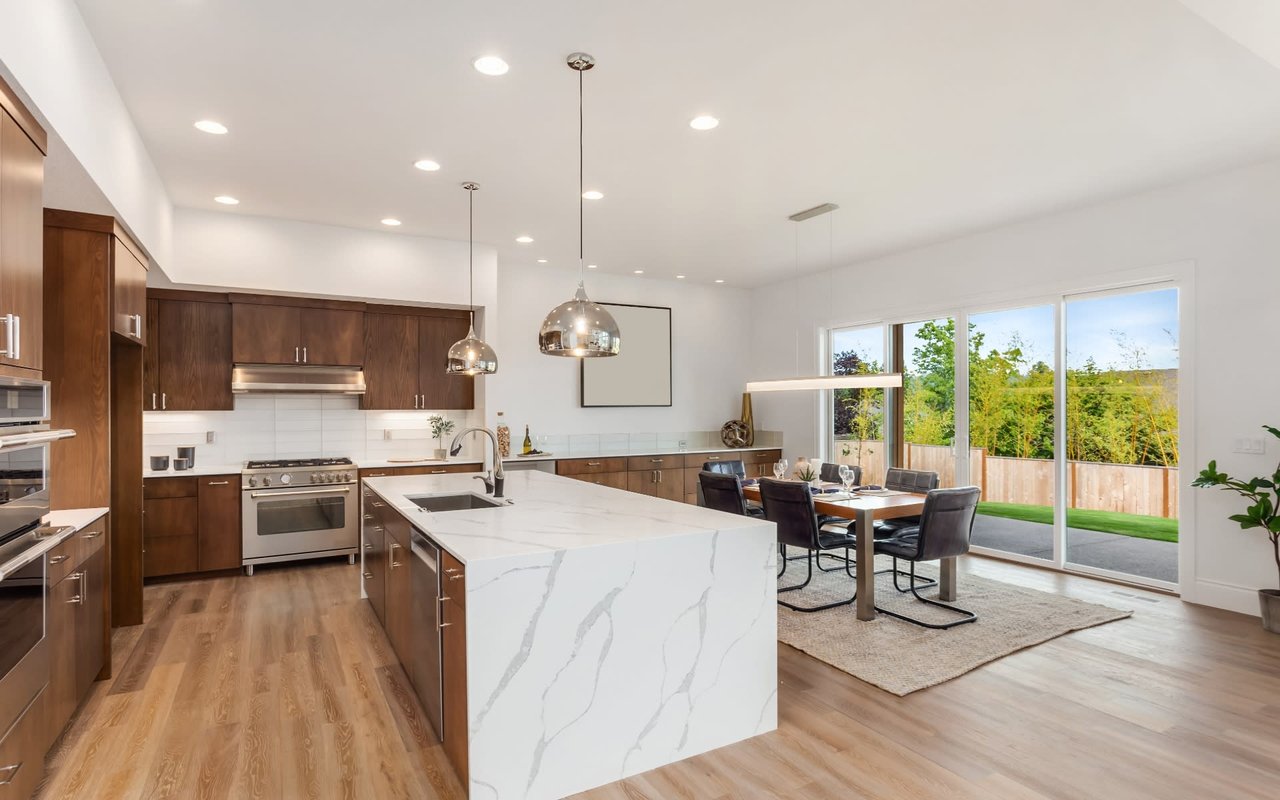
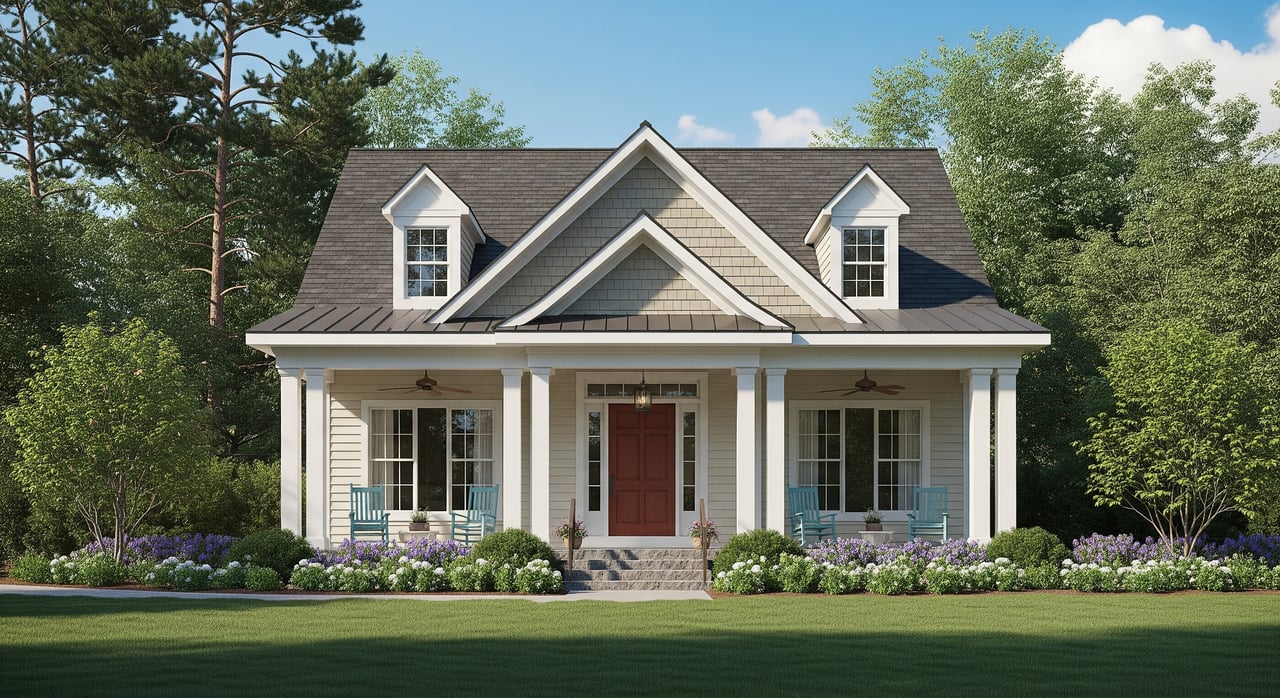
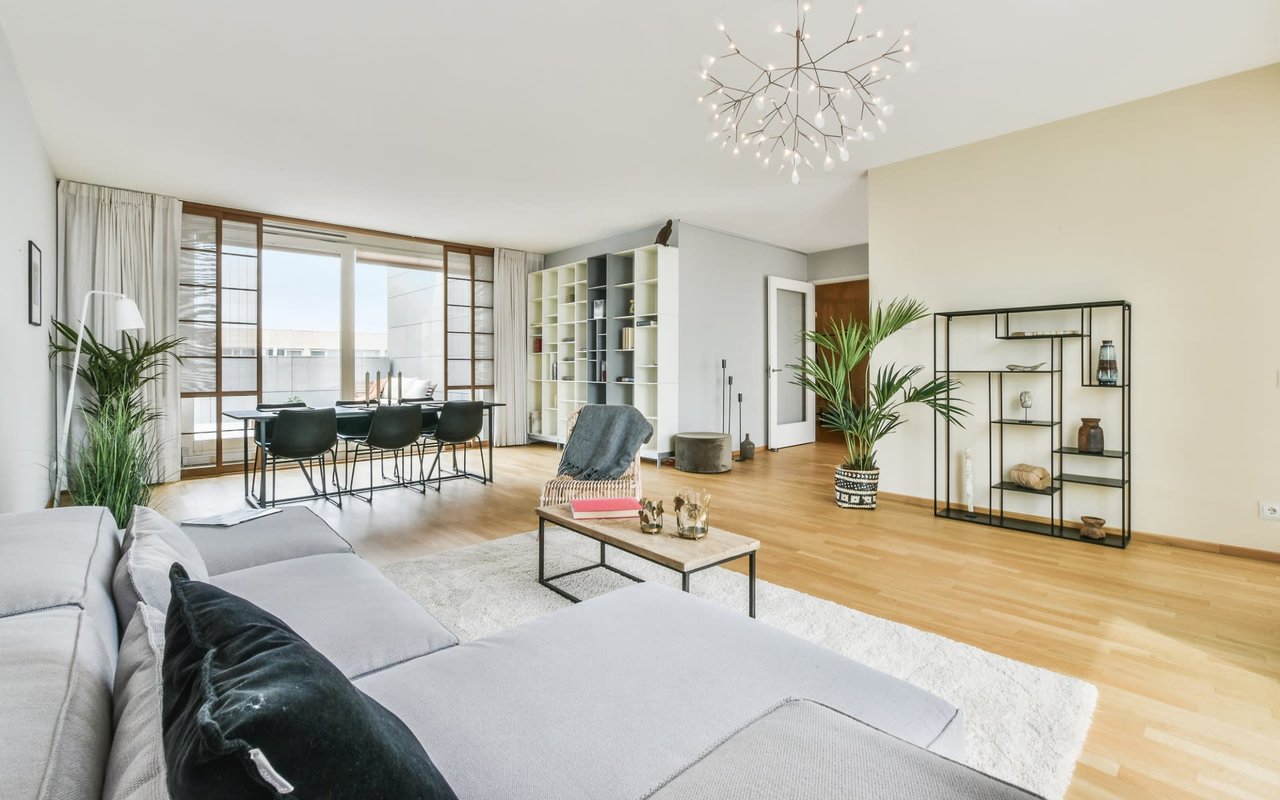
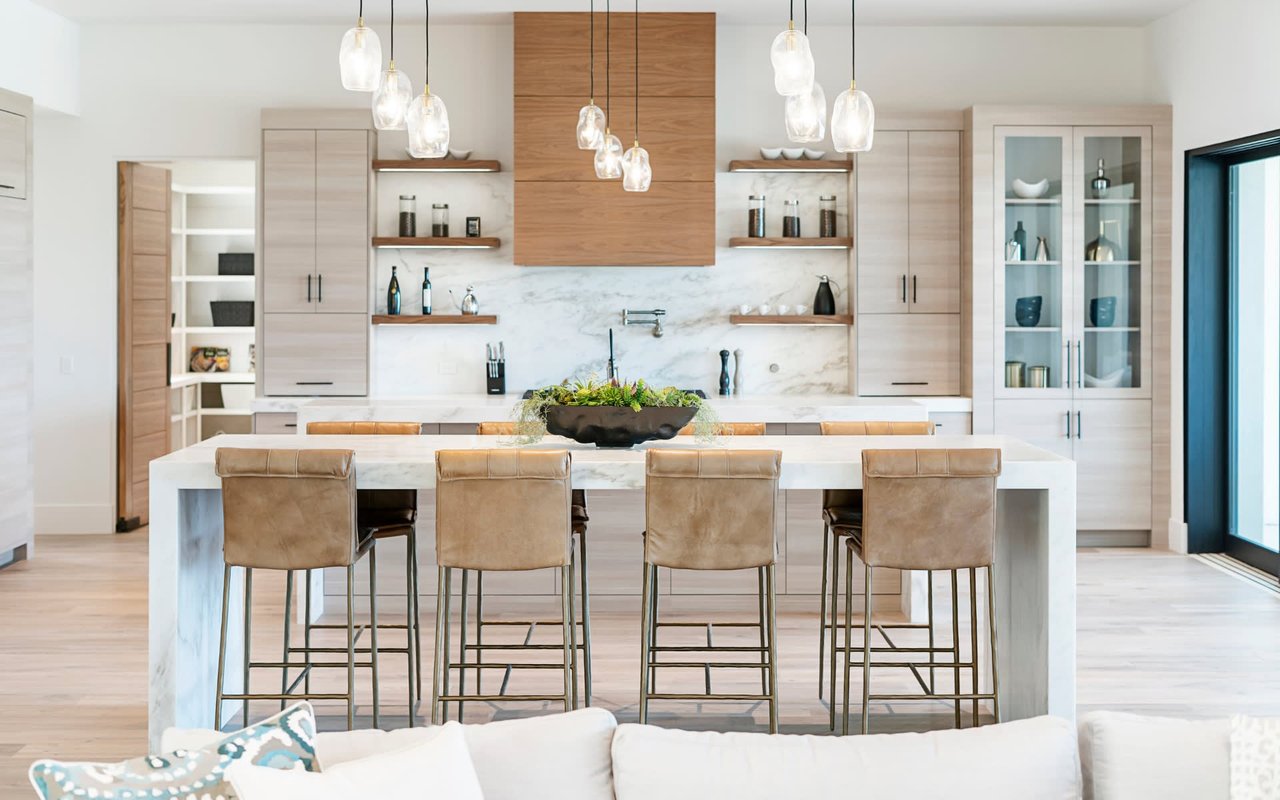
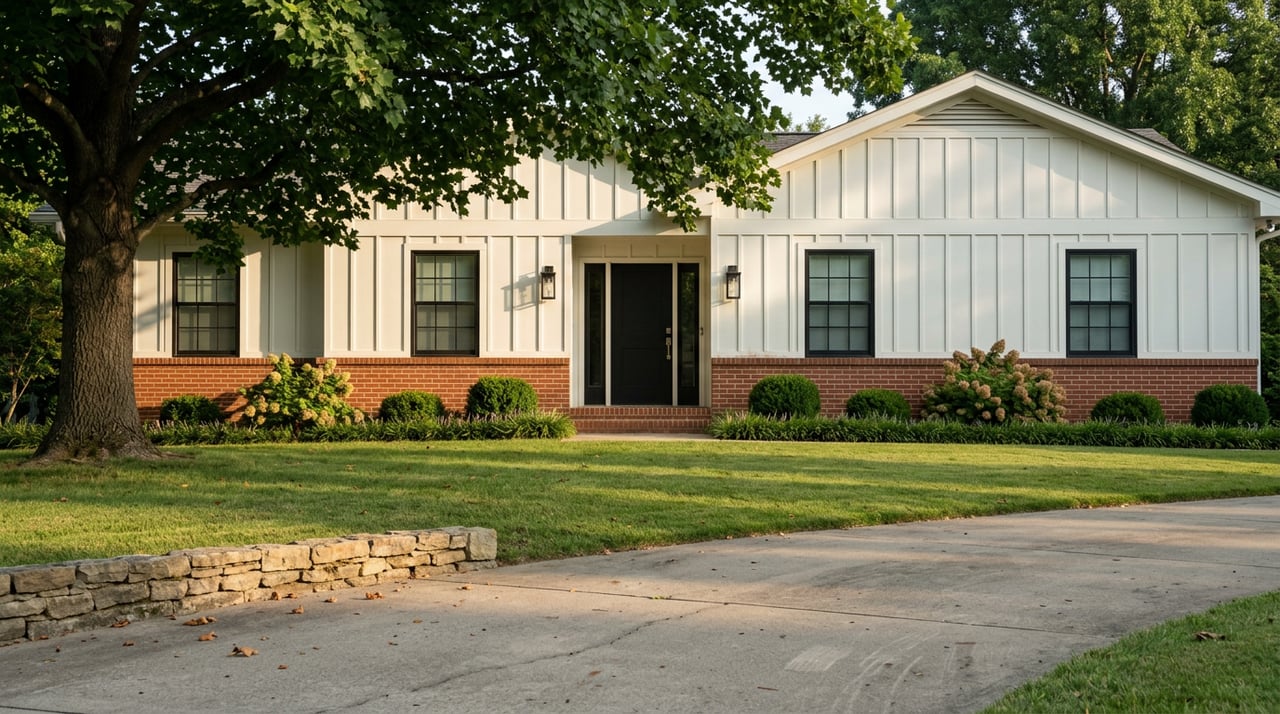
This isn't a rendering someone put in a slideshow and forgot about. In May 2024, the Village Council adopted the Marvin Development Ordinance along with amendments to the Heritage District Small Area Plan, the zoning language that turns a vision statement into permits a builder can actually pull. Jones Homes USA is already building and selling Heritage at Marvin, a 68-home community sitting inside the district boundary, with listings priced from roughly $1.2 million as of 2026 and homes ranging from about 3,031 to 5,242 square feet (explore Marvin neighborhoods with amenities move-up buyers appreciate). People are closing on houses inside Marvin's future downtown right now, years before the commercial anchor tenants that are supposed to define it have a lease signed.
The Corridor Has Done This Before
This isn't Marvin's first infrastructure upgrade along this stretch. Back in August 2018, NCDOT opened the first of two roundabouts built under a single $1.4 million contract, this one at New Town Road and Marvin School Road. The second roundabout, at New Town Road and Waxhaw-Marvin Road, then closed that stretch of New Town Road for roughly six weeks while crews rerouted traffic through Marvin Road, Joe Kerr Road, and Crane Road. So the village has proof it can execute a road project on this same corridor. It has done it before.
What it hasn't done yet is fund and build the next one.
Where the Heritage District stands right now:
- Zoning and ordinance work: Done. The Marvin Development Ordinance and Heritage District Small Area Plan amendments were adopted in May 2024.
- First residential phase: Under construction and selling. Heritage at Marvin's 68 homes are listed and closing.
- The corridor's last major intersection fix: Finished in 2018, six years before the current zoning even existed.
- The next major intersection fix: At Waxhaw-Marvin Road and Bonds Grove Church Road, the construction contract is not expected to be awarded until September 2028, according to the project schedule that the Town of Waxhaw's engineering office maintains for this joint project with Union County and the Village of Marvin.
The Math Behind the 2028 Roundabout
That September 2028 date is worth sitting with, because it isn't a groundbreaking date. It's the target for awarding the construction contract, meaning actual dirt work is further out still. Village records show the roundabout at Waxhaw-Marvin Road and Bonds Grove Church Road is funded through a state program that covers 80 percent of costs, with a 20 percent local match split between the Village and Union County. That local match comes to $1,092,000, with Marvin covering $592,000 (54 percent) and the county covering $500,000 (46 percent). Run the math backward and the full project comes to roughly $5.46 million for a single intersection.
Put those two numbers side by side. A homebuyer closing on a house in Heritage at Marvin this year could plausibly live there for a full decade before this particular intersection sees a shovel in the ground. The buildings are outrunning the roads by design, not by accident, because state and county transportation funding moves on a different clock than a homebuilder's sales schedule (read our analysis of HOA amenities and fees in Marvin).
Growth Outpacing Agreement
The road math matters because Marvin's population growth is not hypothetical or future-tense. Since 2020, the village has added roughly 1,000 residents, pushing its total past 6,600, according to WSOCTV's reporting. More than 80 percent of homes in the village are now valued above $750,000. That's a lot of new households arriving into a place that was built, both physically and culturally, around large lots and long driveways rather than a Main Street (compare with our guide on Waxhaw vs. Weddington lifestyle tradeoffs).
Not everyone is on board with what comes next. Longtime residents who built here decades ago, back when Marvin incorporated specifically to stay independent rather than get folded into Charlotte, aren't uniformly excited about a commercial core arriving next door.
John Jones built his home in Marvin in 1983 and kept as many trees on his lot as he could. Asked about the village's growth, he put it simply:
"I just don't believe in cutting trees."
A village survey conducted as part of the growth planning process found that most respondents want to preserve Marvin's tree canopy and green space even while they support new trails and eventual commercial space. Those two preferences are in tension, and the Heritage District is where that tension gets resolved, parcel by parcel.
What's Happening This Week
The conversation isn't stuck in a planning document from two years ago. Marvin's Village Council routinely holds Community Economic Development Workshops to keep working through exactly this question: how much commercial density the village actually wants inside its new district, and how fast. If you live in Marvin and have opinions about whether New Town Road should end up with a coffee shop or a five-story mixed-use block, this is when that gets argued out in a room you can walk into.
The Takeaway for Anyone Already Living Here
None of this means the Heritage District is a bad idea or that it won't eventually work the way the master plan describes. It means the sequencing is unusual. Most downtowns grow up around infrastructure that already exists. Marvin is building the destination first and financing the roads to match it on a separate, slower government timeline. For the next several years, that likely means new rooftops, a slow trickle of commercial announcements, and traffic patterns on New Town Road and the Waxhaw-Marvin corridor that get more crowded before they get any easier, since the fix for that specific intersection is still sitting at the contract-award stage.
If you already call Marvin home, the smart move is watching the Village Council's economic development sessions rather than the builder brochures. The brochures show you the finished rendering. The council meetings show you what's actually funded, what's still a wish list, and how fast the roads are catching up to the rooftops.
If you're weighing what any of this means for your own property value—or curious what your Marvin home is worth in today's market—local real estate specialist Jeremy Ordan and the team are always here to help. Whether you're exploring Marvin homes for sale or planning your next move with our Marvin listing staging strategies, reach out today to get started.