If you want a home with less exterior upkeep, Concord’s townhomes and condos may be worth a closer look. For many buyers, attached living offers a simpler day-to-day routine, but it also comes with dues, documents, and community rules that can shape your costs and lifestyle. If you are weighing whether this type of home fits your goals, here is what you should expect before you buy. Let’s dive in.
Why attached living stands out in Concord
Concord is a large and growing city, with the U.S. Census Bureau estimating a population of 112,395 as of July 1, 2024. At the same time, local price points make attached housing relevant for buyers who want a lower entry point than many detached homes may offer.
According to the U.S. Census Bureau, Concord is a sizable market, and recent market trackers have placed overall home values in the high-$300,000s. The research snapshot also shows that attached homes in Concord can start lower, with visible condo listings around the mid-$100,000s and townhomes commonly in the mid-$200,000s to mid-$300,000s.
That does not mean every condo or townhome will be inexpensive. Price still depends on the property’s age, location, finishes, and what the monthly dues include. Still, attached housing can appeal to buyers who want a smaller footprint, less exterior maintenance, or a more lock-and-leave setup.
Condos and townhomes are not always the same
One of the biggest surprises for buyers is that the label “townhome” does not automatically tell you how ownership works. In North Carolina, what matters most is whether the property is legally set up as a condominium or as a planned community.
Under North Carolina condominium law, the association maintains common elements, while you are generally responsible for your unit itself. In a planned community, the association maintains common elements, while the lot owner is responsible for the lot and improvements on it.
That difference affects what you may need to repair, insure, and budget for over time. A townhome in one community may include more exterior coverage through the association, while another may leave more responsibility with the owner. Before you make assumptions based on the floor plan or marketing language, you need to review the declaration and disclosure paperwork.
What maintenance usually looks like
For many buyers, the main draw of condo or townhome living is reduced maintenance. That benefit is real in many cases, but it is not the same as having no maintenance at all.
In North Carolina, condo associations must maintain, repair, and replace common elements. Planned-community associations also maintain common elements and can assess owners for those costs, which means you may still share in larger expenses through dues or assessments.
In practical terms, that can mean less yard work and fewer exterior chores than a detached home. But you may still be responsible for parts of the property, limited common elements, and damage caused from your unit or lot. The key is to confirm exactly where your responsibility begins and ends.
What your monthly costs may include
Your payment is more than just principal and interest. With townhome and condo living, you also need to account for taxes, association dues, and possibly special assessments or transfer fees.
Cabarrus County’s FY 2025-26 tax rate is 57.6 cents per $100 of assessed value, and the City of Concord tax rate is 42 cents per $100. As noted by Cabarrus County tax rate information, a $350,000 home in Concord would have about $3,486 per year in city-plus-county taxes, and some downtown properties may also have an added municipal service district rate.
That is why attached housing should be evaluated based on total monthly cost, not just purchase price. A lower sale price can still come with meaningful monthly dues, while a higher due amount may cover services that reduce your outside maintenance and future hassle.
Which documents matter most
If you only remember one part of this article, make it this: the documents matter as much as the home itself. They tell you what you are buying into financially and operationally.
The North Carolina owners’ association disclosure statement is one of the first places you can see whether the property is subject to an owners’ association, how much regular dues are, whether there are approved special assessments or transfer fees, and whether there are pending lawsuits or judgments involving the association.
For new condos, the public offering statement required by North Carolina law is especially important. It can include the declaration, bylaws, budgets, reserve information, insurance details, fees, and the developer’s obligations, along with the buyer’s right to cancel within seven calendar days after signing.
For both condos and planned communities, state law also requires associations to keep financial records and provide annual income-and-expense statements and balance sheets to owners. Those requirements, outlined in North Carolina association financial record rules, can help you understand whether dues appear supported by the budget or whether reserve pressure may become an issue later.
Parking can be a bigger deal than expected
Parking is one of the most overlooked parts of attached living. Buyers often focus on finishes, layout, and dues first, then realize later that daily parking logistics can shape how practical the home feels.
In Concord, parking is influenced by both community rules and city development standards. The City of Concord Development Ordinance addresses parking and loading, along with other site and design requirements that can affect how communities are built.
Before you make an offer, confirm details such as:
- Whether parking is assigned or first come, first served
- How many garage or driveway spaces you actually have
- Whether guest parking is available
- Whether street parking is limited or restricted
- Whether oversized vehicles or work vehicles are allowed
These details are easy to miss in listing photos, but they matter quickly once you move in.
Lifestyle in Concord can vary by location
Attached living is not just about maintenance. It is also about how you want to spend your time and what kind of day-to-day convenience matters most to you.
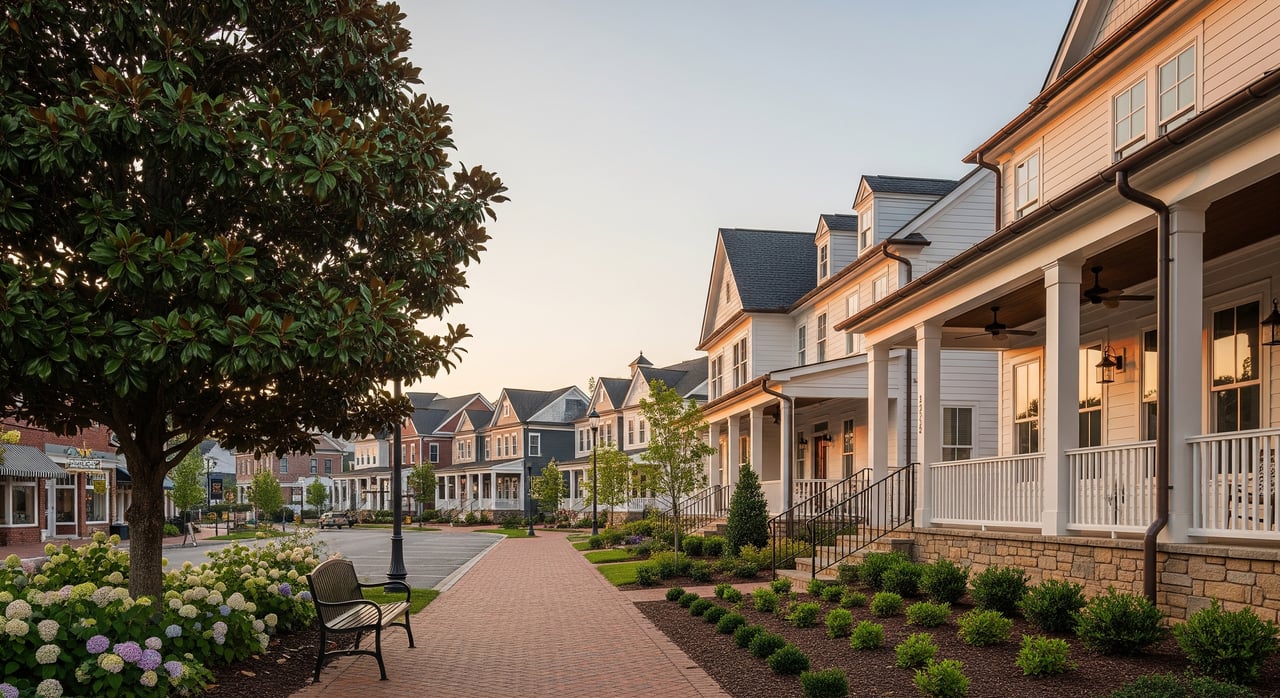
If you are drawn to walkability and activity, Downtown Concord offers a revitalized streetscape, shops, dining, public art, free public Wi-Fi, and public parking resources. For some buyers, that setting pairs well with a condo or townhome because it can support a more low-maintenance and connected routine.
If your priority is reducing yard work without giving up access to outdoor amenities, Concord also offers a broad parks and recreation system. The city’s recreation centers and parks resources can help you get a sense of the public spaces and programming available nearby.
What to verify before you make an offer
Before you move forward on a condo or townhome in Concord, slow down and verify the details that affect both your budget and your everyday life. This is where a careful review can prevent expensive surprises.
Make sure you confirm:
- What the monthly dues cover
- Whether exterior maintenance is included
- Whether the home is legally a condo or part of a planned community
- How parking works for owners and guests
- Whether there are rental restrictions
- Whether pets or exterior changes are limited
- Whether there is a history of special assessments
- What the current budget and reserve picture look like
- What insurance is covered by the association and what you must carry yourself
This matters because North Carolina associations have real enforcement powers. Under state law, associations can impose late charges, levy fines, and pursue liens for unpaid amounts, so the fine print is not just technical. It can directly affect affordability and flexibility.
The bottom line on Concord condos and townhomes
Townhome and condo living in Concord can be a smart fit if you want less exterior upkeep, a smaller footprint, or a more lock-and-leave lifestyle. The tradeoff is that you need to look beyond the floor plan and understand the legal structure, monthly dues, parking setup, and association finances before you commit.
The best purchase is usually the one where the home, the documents, and your lifestyle all line up. If you want help comparing attached-home options in Concord and making sense of the details, Jeremy Ordan is here to guide you with a clear, informed approach.
FAQs
What is the difference between a condo and a townhome in Concord?
- In Concord, a townhome and a condo can look similar, but the key difference is the legal ownership structure. A condo is generally governed under North Carolina condominium law, while some townhomes are part of planned communities, so you should verify the declaration and disclosure documents.
What costs should you expect with a Concord condo or townhome?
- You should budget for your mortgage, property taxes, owners’ association dues, and possibly special assessments or transfer fees, depending on the community and the association’s rules.
What documents should you review before buying a Concord attached home?
- You should review the declaration, bylaws, rules and regulations, current budget, annual financial statements, insurance summary, and the owners’ association disclosure statement. If the property is a new condo, the public offering statement is also essential.
What should you know about parking in Concord condo and townhome communities?
- You should confirm assigned spaces, garage depth, guest parking, and any street parking limits because parking can be shaped by both the community’s rules and Concord’s development standards.
Who is responsible for maintenance in a Concord condo or townhome?
- Responsibility depends on whether the home is legally a condominium or part of a planned community. In many cases, the association maintains common elements, but you may still be responsible for your unit, lot, certain limited common elements, or damage you cause.
Are Concord condos and townhomes good for first-time buyers or downsizers?
- They can be a practical option for buyers who want a lower entry point than many detached homes or who prefer less exterior upkeep, but affordability and maintenance expectations vary by property, dues, and association structure.