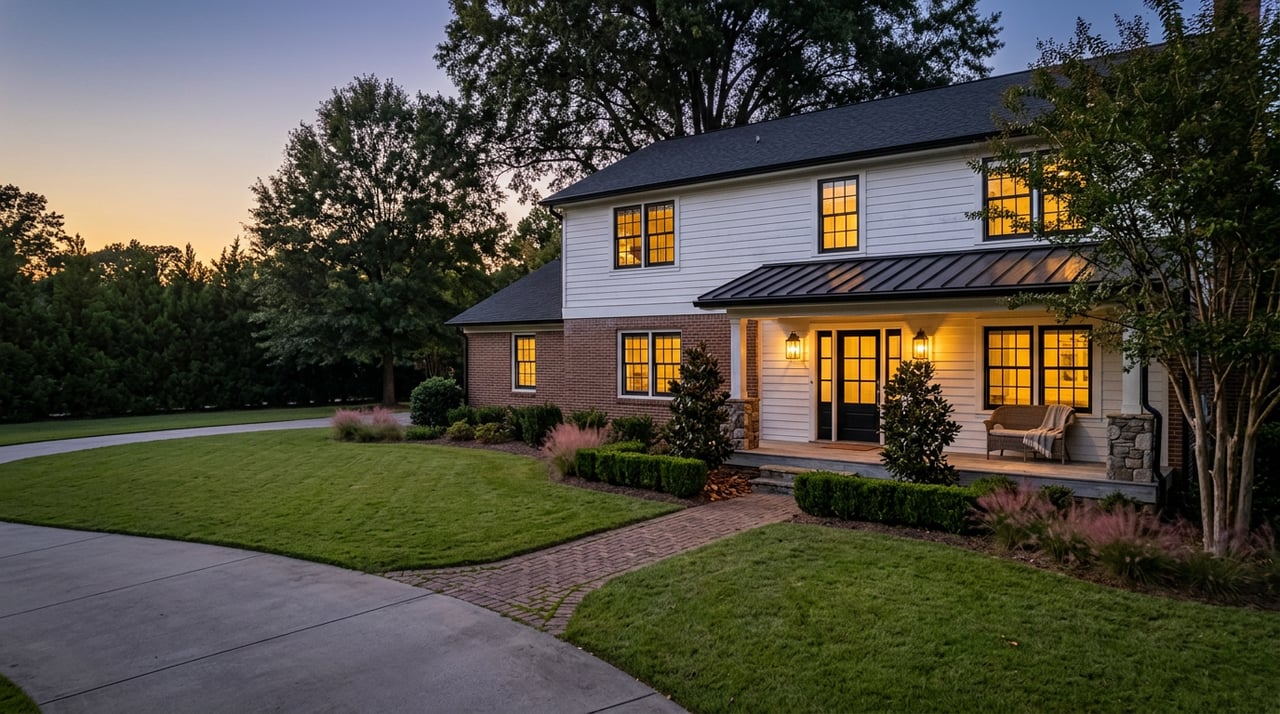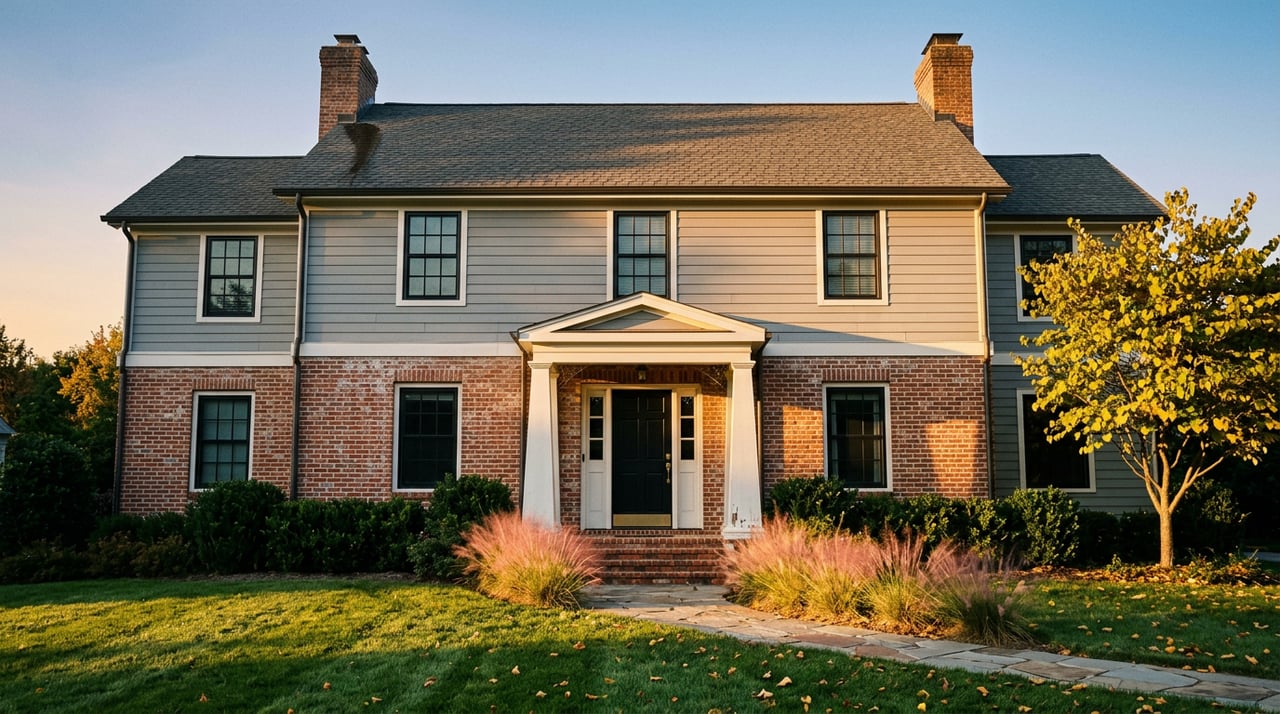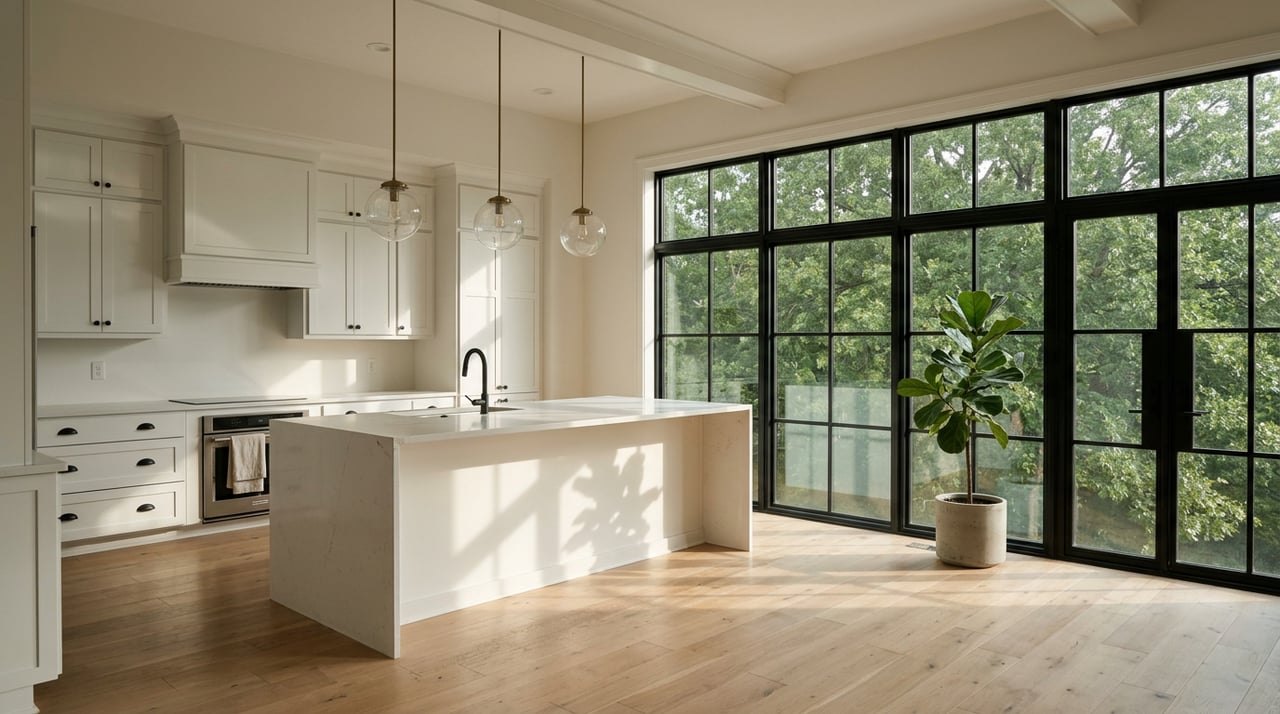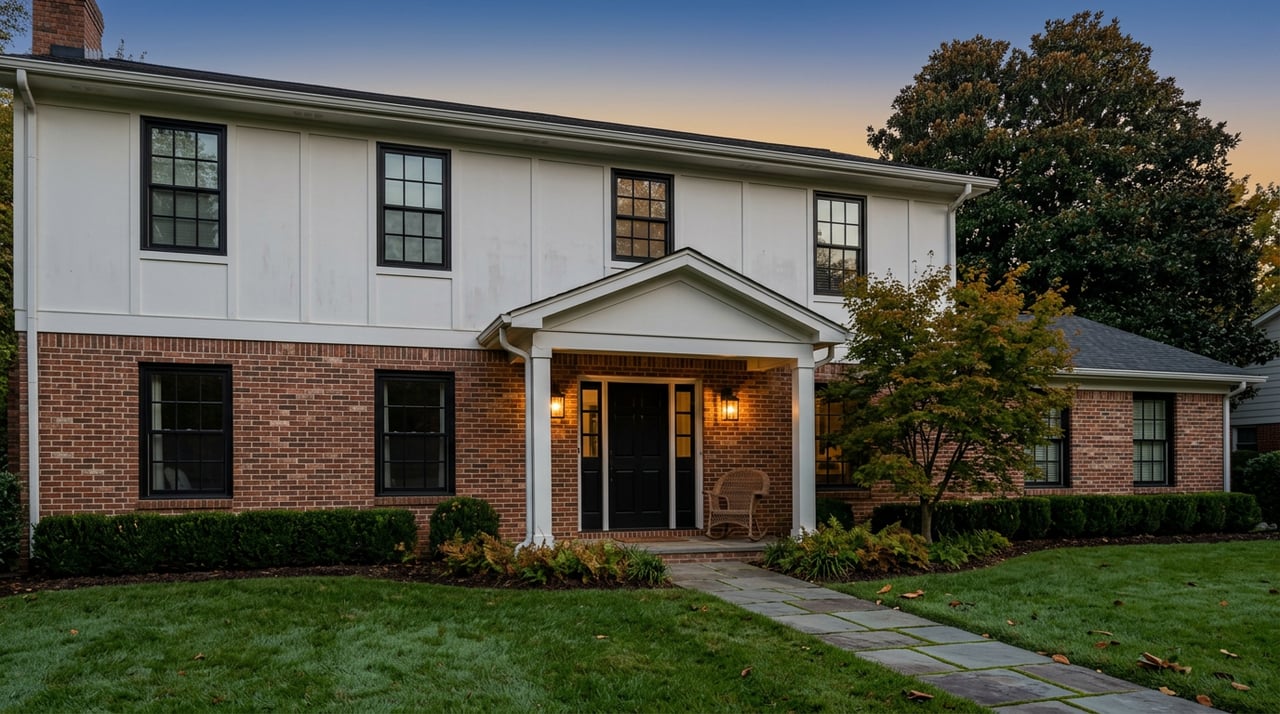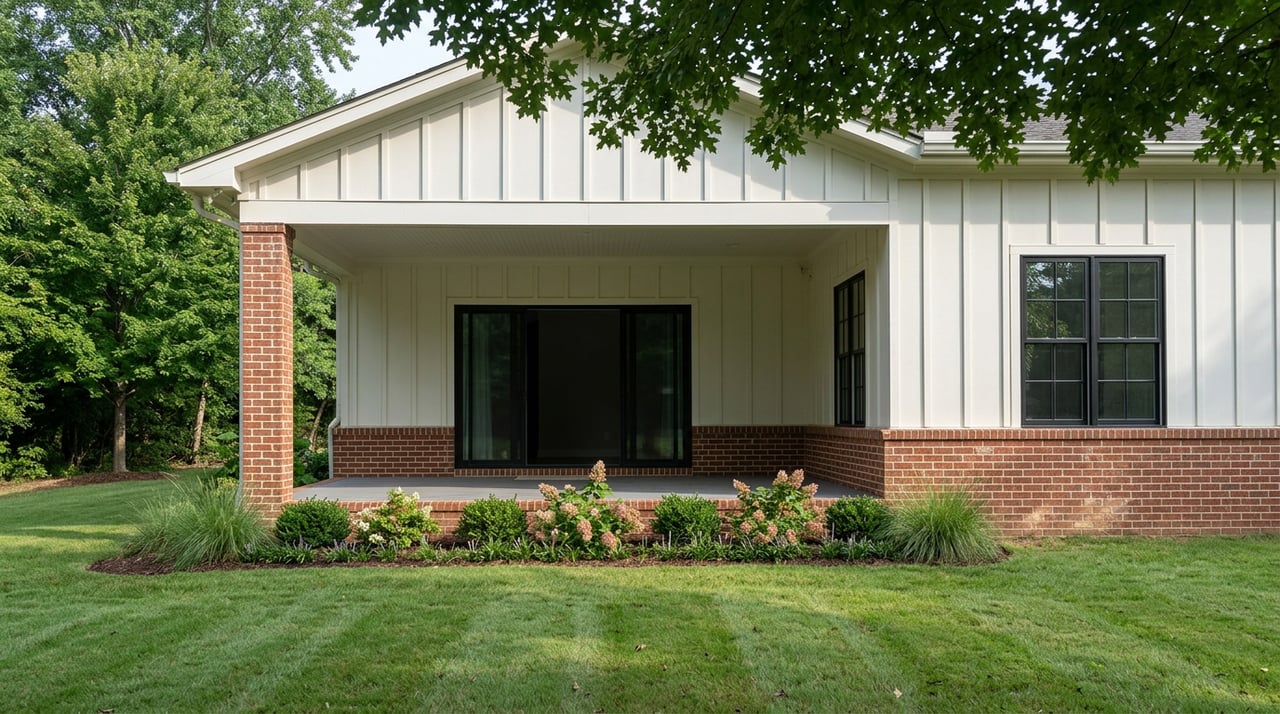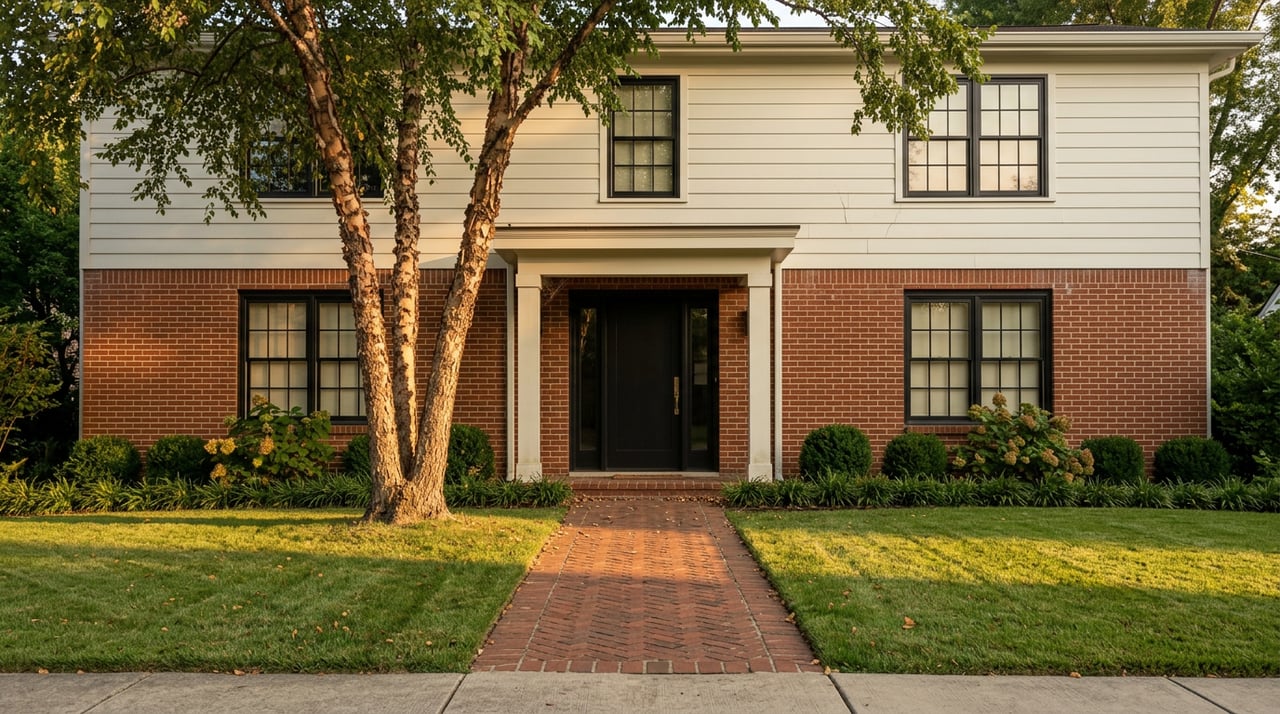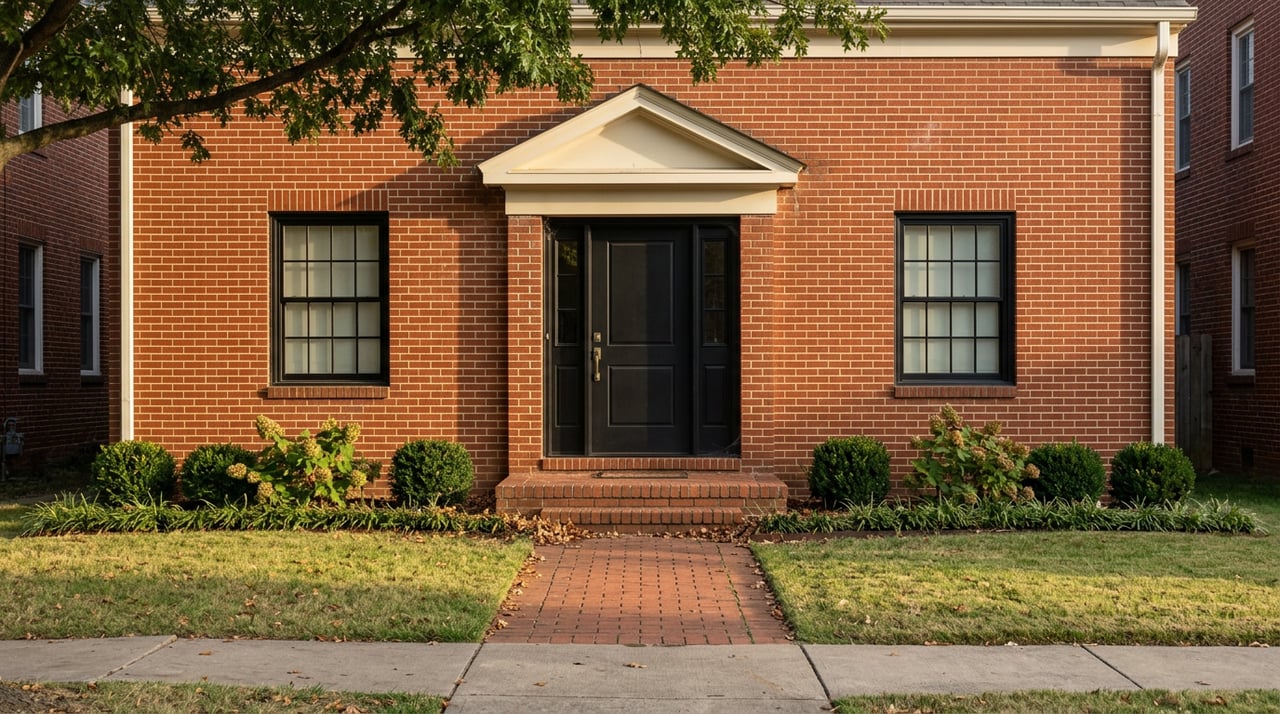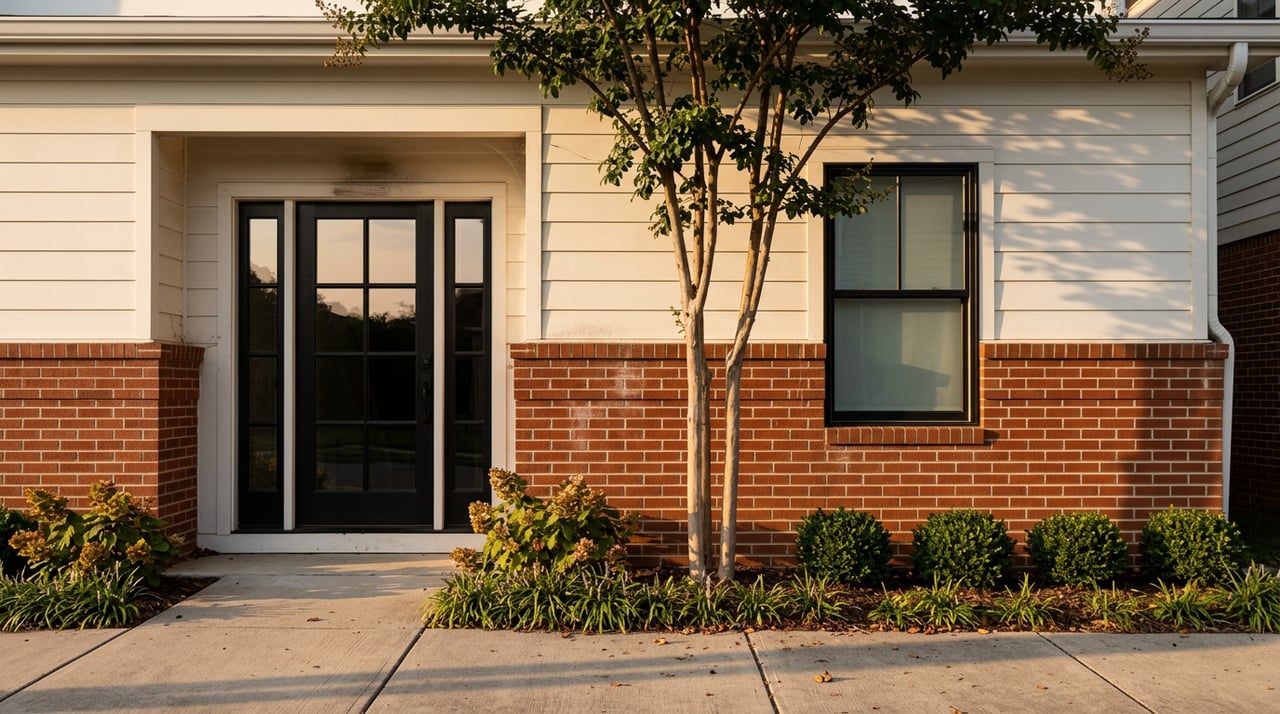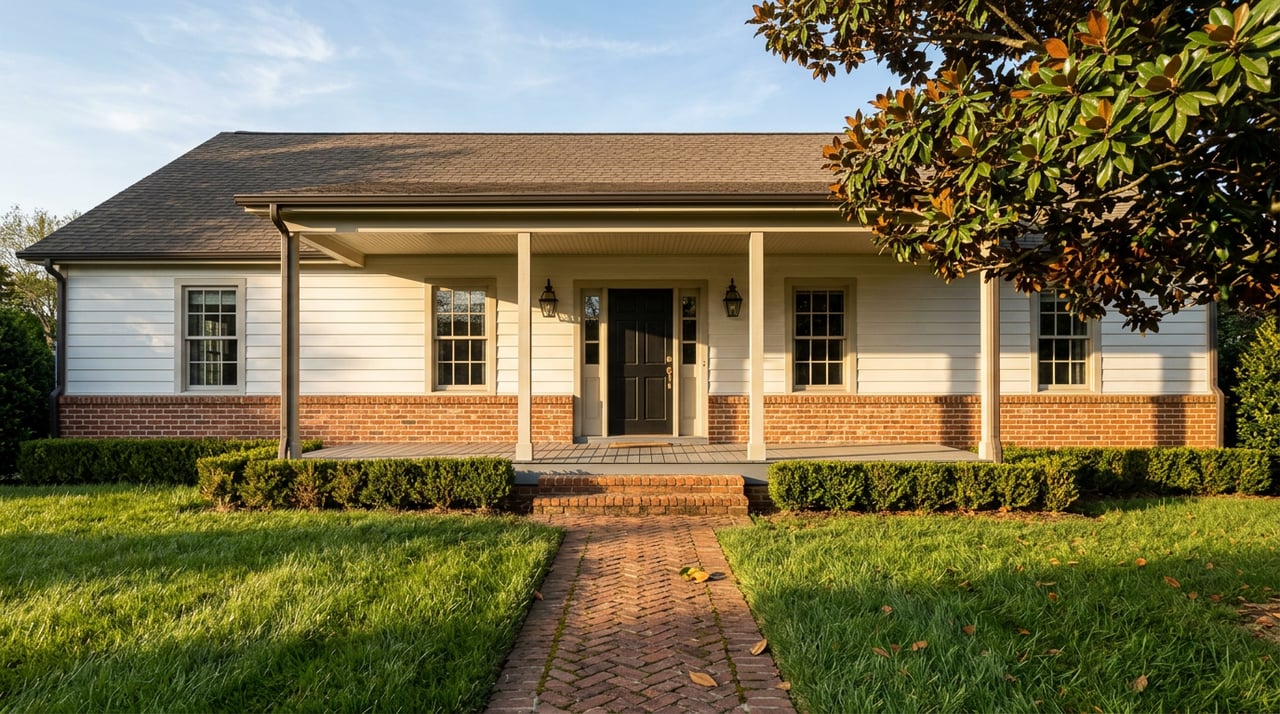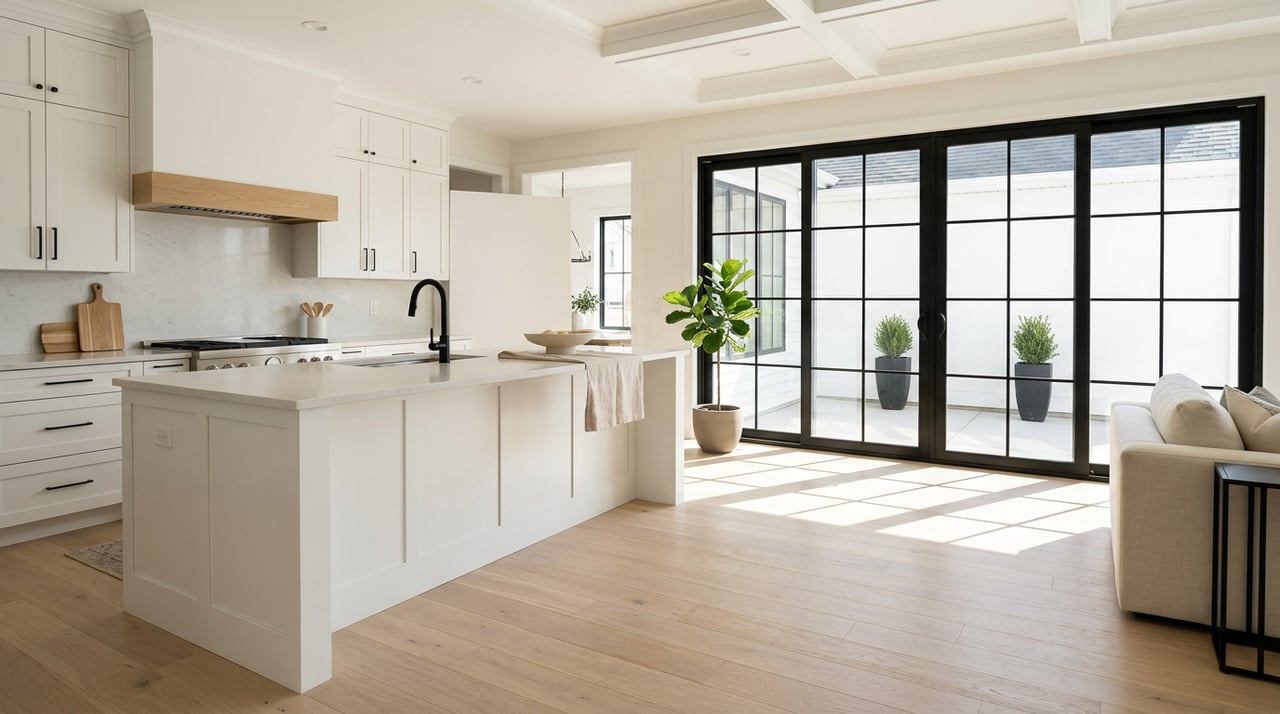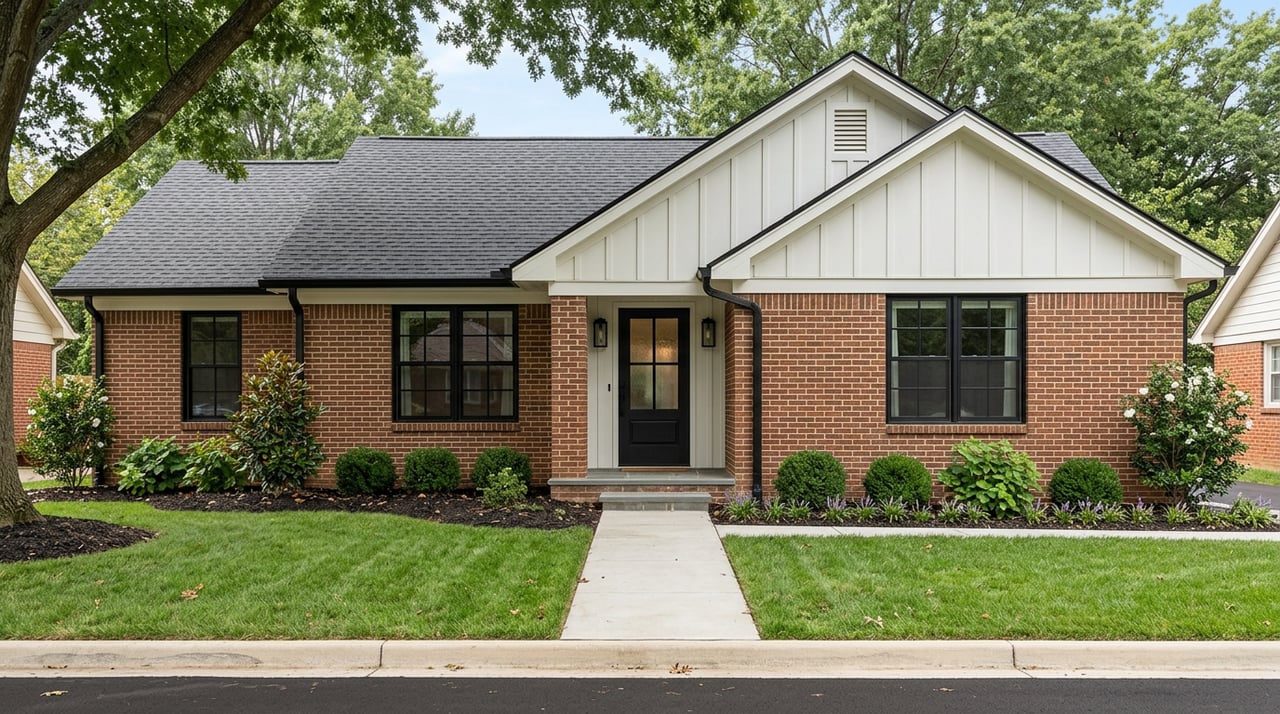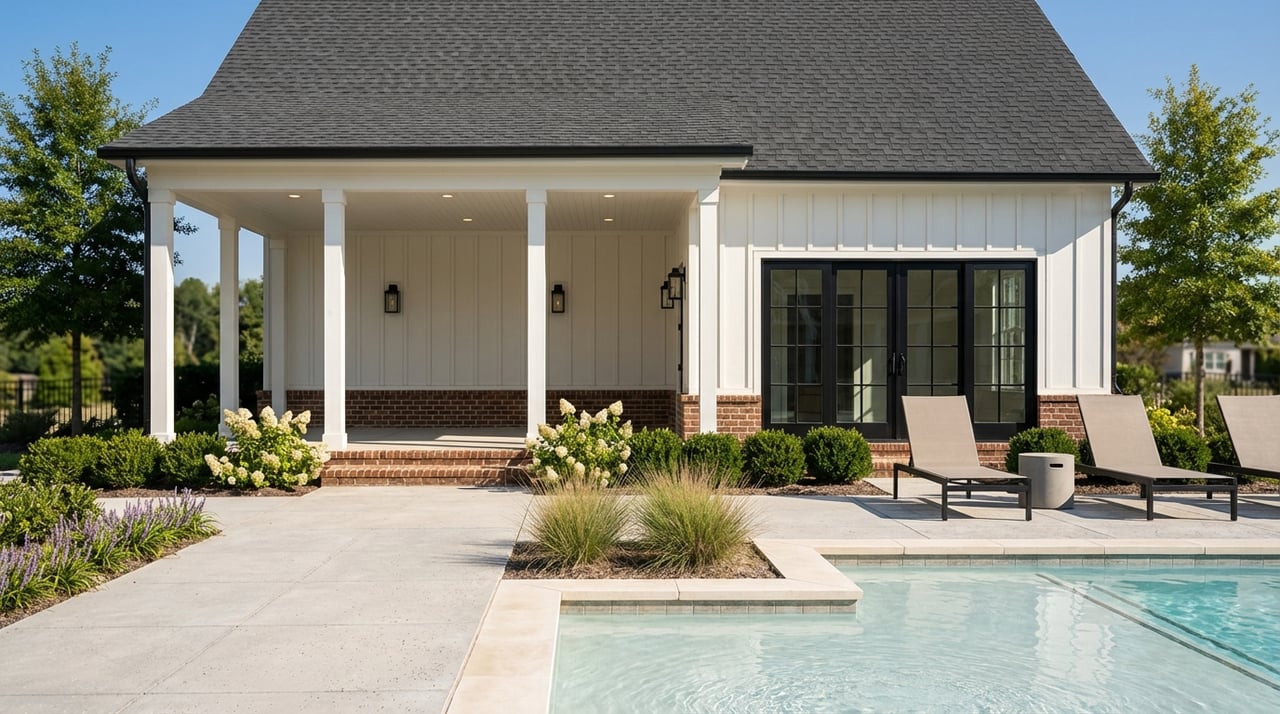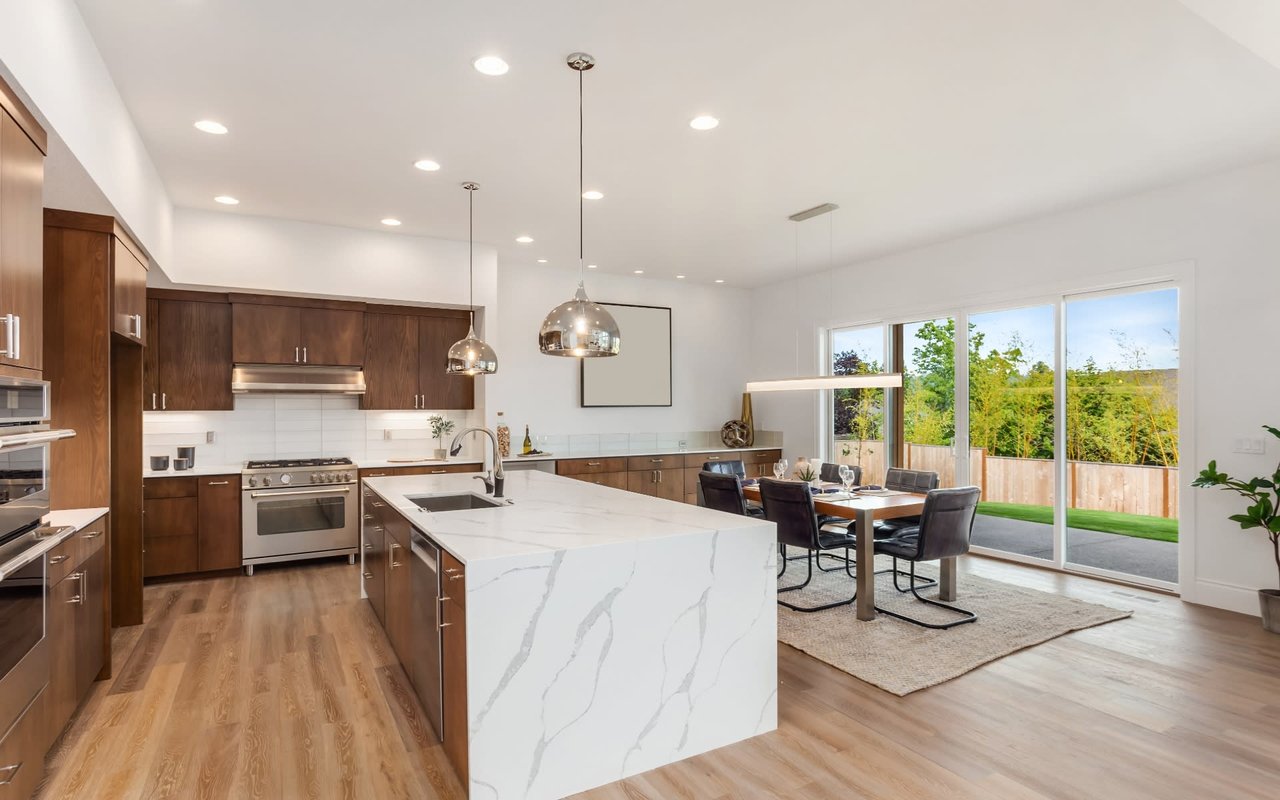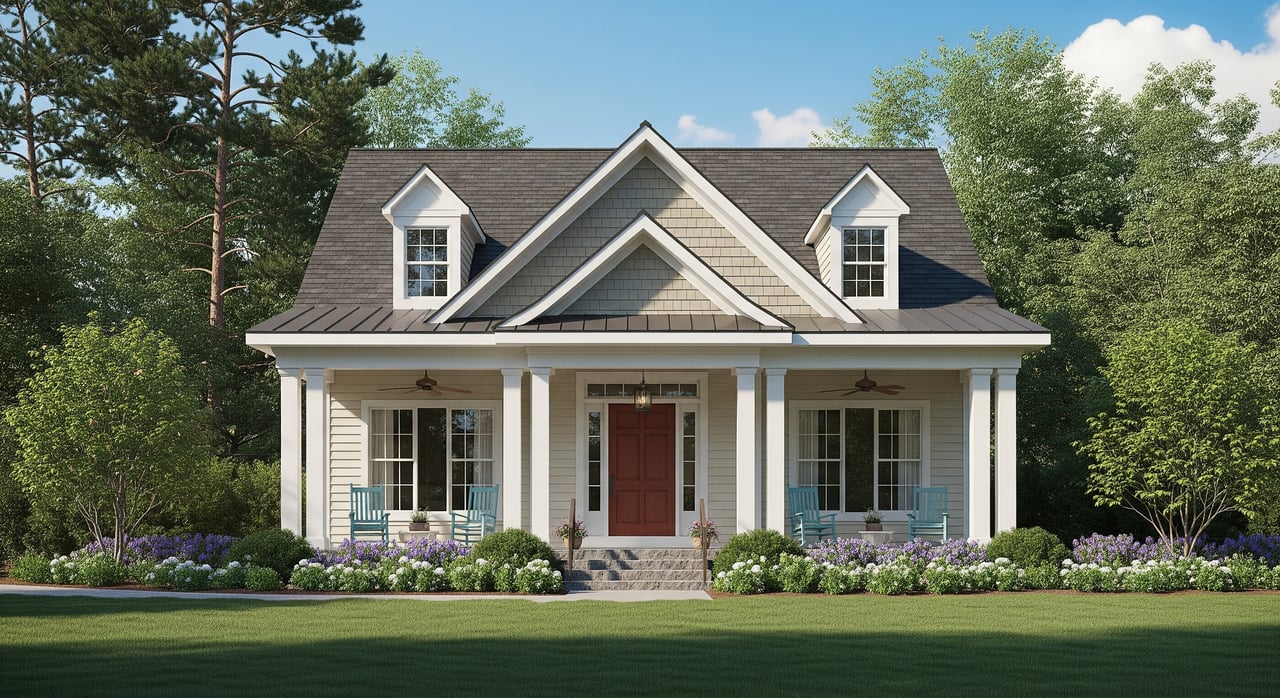
Thinking about a brand-new home in Indian Land but not sure where to start? You are not alone. With rapid growth, dozens of active communities, and a range of builder options, new construction can feel exciting and complex at the same time. In this guide, you will learn how the process works in Indian Land, what to expect from builders and HOAs, how financing and inspections differ from resale, and how to protect your budget from contract to closing. Let’s dive in.
Why Indian Land is booming
Indian Land sits in Lancaster County’s fast-growing southern panhandle. County planning shows a large pipeline of new housing that explains the steady wave of new neighborhoods and amenities. In the county’s Development Impact Fee Study, planners projected about 4,746 new single-family homes in the first three years and more than 10,700 over six years across the county’s analysis. You see that pipeline on the ground as new phases open and amenities come online. Review the county planning study for context.
Pricing varies by builder and product. Recent market trackers have shown median or typical values in Indian Land roughly in the 500 thousand to 550 thousand range. Exact numbers change by month and source, so check a current local snapshot when you are ready to shop. The key takeaway is this: Indian Land offers a mix of mid-market to move-up price points with strong amenity packages and modern floor plans.
What to expect in new communities
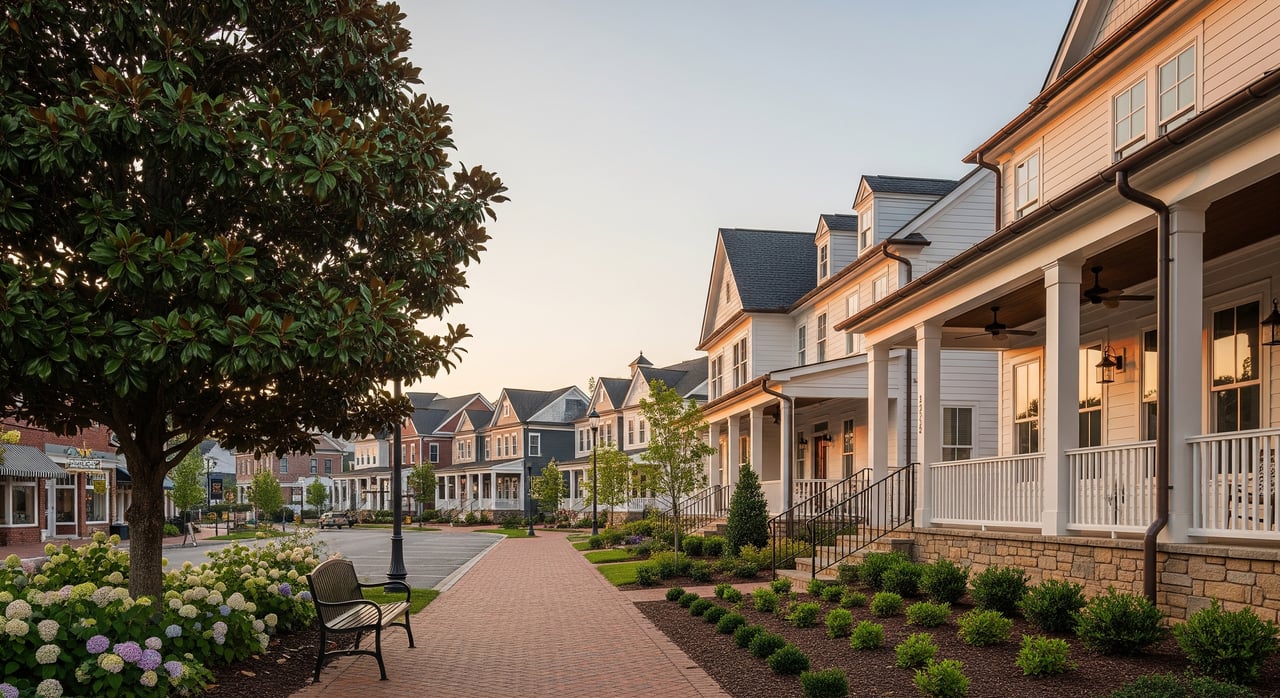
New neighborhoods in Indian Land often include shared amenities and an HOA. You will commonly find a clubhouse, outdoor pool, playgrounds, walking trails, and pocket parks, with larger master-plans adding fitness rooms and pickleball or tennis courts. Amenities and HOA fees can vary by phase, so confirm details in writing before you sign.
Example: Kinsdale by Pulte
Pulte’s Kinsdale in Indian Land highlights what many buyers want: modern plans, sidewalks, and community spaces. Builders like Pulte use a Design Center process to help you choose cabinets, counters, fixtures, and flooring on a set schedule. Review the builder’s selections checklist and allowances early. Explore current features on Pulte’s Kinsdale page.
Example: 55+ living at The Pines at Sugar Creek
If you are looking for age-restricted living, Toll Brothers offers a 55+ phase at The Pines at Sugar Creek in Indian Land with lifestyle amenities and low-maintenance designs. Toll Brothers has advertised collections from the low 500 thousands. See the pricing context in this update from the builder’s investor news feed and verify current pricing directly: Toll Brothers announcement. You can also view community features on Toll Brothers’ community page.
Amenities and HOA timing
As communities build out in phases, some amenities open later. Ask for the developer’s amenity timeline, who maintains each item, and current HOA dues. Fees can differ between villages in the same master-plan. Always confirm in writing and review the recorded covenants and rules.
Your step-by-step path to a new build
Every builder has its own workflow, but most follow a similar path from lot selection to closing.
Deposits and lot holds
Builders often require an earnest or option deposit to reserve a lot or inventory home. Amounts vary by builder and market. Some design upgrades and lot premiums can be non-refundable after selection. Get the deposit schedule and refund terms in writing before you commit. Here is a practical overview of deposit norms from a buyer’s guide to new builds: what to expect with deposits.
Typical build timeline
For a to-be-built home, plan on roughly 4 to 9 months from contract to completion, depending on permitting, weather, labor, and finishes. Inventory homes that are complete or near complete can close much faster. Confirm your builder’s current estimate in writing and ask for the target Certificate of Occupancy date. See a helpful timing overview here: new construction timeline basics.
Design selections and deadlines
You will make structural choices early, then finalize finishes on a firm schedule. Design Center appointments cover cabinets, counters, flooring, lighting, and appliances, often with set allowances. Ask for the selections checklist, upgrade pricing, and the builder’s cutoffs. Many builders outline this flow on their community pages, like Pulte’s Kinsdale details.
Lot premiums and the true price
Your final cost is base price plus lot premium plus upgrades. Premiums can apply for larger or private lots and cul-de-sacs. Request an itemized, fully loaded worksheet for your specific lot and plan so you understand the complete number before you sign. For an overview of how upgrades and allowances add up, see this explainer on builder options and pricing.
Financing basics for new construction
Your loan path can differ based on whether you buy an inventory home or build from the ground up.
- Inventory or quick-move-in homes typically close with a standard mortgage at completion.
- To-be-built homes may use construction-to-permanent financing or a separate construction loan followed by a permanent mortgage. Review the options using Fannie Mae’s construction-to-permanent guide.
Many builders offer incentives for using their preferred lender. Compare at least two Loan Estimates so you can weigh any closing credit or rate buydown against total costs and fees. Sometimes the best long-term cost comes from a non-preferred lender with better terms.
Inspections and warranties you still need
New homes benefit from staged inspections and a clear warranty plan.
Staged inspections
Consider hiring an inspector for key stages: pre-pour or pre-foundation if possible, pre-drywall when framing and rough-ins are visible, and a final pre-closing walk. Schedule early because build windows are short. A simple overview of staged inspections is available here: new-home inspection checklist.
The 1-2-10 warranty model
Many builders provide a 1-2-10 structure: one year for workmanship, two years for systems like electrical and plumbing distribution, and ten years for major structural defects. Ask for the warranty booklet now, understand how to submit claims, and mark your calendar for an 11-month inspection to document any items before the one-year mark. Learn the basics of the 1-2-10 model from 2-10 Home Buyers Warranty.
New construction vs resale in Indian Land
It helps to view pricing and features in context. Nationally in 2025, federal reports showed the median new single-family price in the low to mid 400 thousands, while existing-home medians were in a similar band in late 2025. This narrowed the traditional new-home premium in many months. Your local outcome depends on neighborhood, lot, and finish level. See national context from HUD’s new residential sales update.
Here is a quick side-by-side to frame your search:
| Factor | New Construction | Resale |
|---|---|---|
| Price positioning | Often similar to or somewhat above comparable resale depending on lot, phase, and finishes | Often negotiable based on condition and seller timing |
| Finish level | Modern layouts, energy features, you choose finishes | Varies by age and updates, immediate move-in possible |
| Warranty | Builder 1-2-10 structure for defined items | Typically none, rely on inspection and seller disclosures |
| Negotiation | Incentives are common, base prices and premiums may be less flexible | More room to negotiate price and repairs in many cases |
| Energy efficiency | Usually higher due to current codes and materials | Depends on age and upgrades |
| Appraisal clarity | Upgrades and premiums must be supported by comps, not all upgrades appraise dollar for dollar | More comps available in established areas, easier read across recent sales |
Appraisals and upgrades
Appraisers must find comparable sales that reflect your selected features. High-end finishes, lot premiums, or specialty options may not appraise at full cost if similar comps are limited. Invest in the upgrades you will enjoy most, and document any high-performance features. The Appraisal Institute created a Green and Energy Efficient Addendum to help value energy items. Share certifications and specs with your lender and appraiser. Learn more about that addendum here: how appraisers document green features.
How your buyer’s agent protects you
A skilled buyer’s agent can help you compare communities, decode contracts, and save money.
- Attend your first model-home visit, register representation, and request sample contracts for review before you sign. See why representation matters in new builds: why you need a buyer’s agent for new construction.
- Build a fully loaded worksheet with base price, lot premium, design credits, and estimated closing costs. Clarify deposit timing and refundability. For a clear breakdown of how tract-home purchases work, review this step-by-step overview.
- Negotiate incentives and timing. Ask about rate buydowns, design credits, landscaping, or closing help. Compare the preferred lender’s offer with an outside quote to ensure the best total cost.
- Coordinate staged inspections and get the builder’s warranty booklet. For inspection scheduling basics, revisit this new-home inspection checklist.
- Confirm permits, target Certificate of Occupancy, HOA documents, and amenity timelines. Use Lancaster County’s planning study for context on area growth and phasing.
Quick buyer checklist
Print this and take it to your next model-home visit.
- Confirm the builder, plan, and specific lot. Ask for a fully loaded price example with base, lot premium, and typical upgrades.
- Read the builder contract and warranty booklet before signing. Confirm what is covered and for how long.
- Get the deposit schedule and refund policy in writing. Ask which deposits become non-refundable and when.
- Book staged inspections: pre-pour or pre-foundation if possible, pre-drywall, final pre-closing, and an 11-month warranty inspection.
- Request recorded HOA documents and current dues. Ask how and when each amenity will open and who maintains it.
- Compare at least two Loan Estimates. Weigh any lender incentive against rate, fees, and total monthly cost.
- Verify assigned schools directly with the district and confirm commute times. Indian Land to Uptown Charlotte is about 18 miles. Off-peak drives can be around 25 to 30 minutes, and peak periods can stretch to 40 to 60 minutes or more. Test a live route. See the distance context here: Indian Land to Charlotte distance.
Ready to explore Indian Land?
If you want the space, amenities, and fresh-start feel of a new build, Indian Land offers strong options at multiple price points. When you pair a thoughtful plan with expert guidance, you can secure the right lot, protect your budget, and enjoy a smooth path to closing.
Have questions about builders, timelines, or how new construction compares to resale in your price range? Connect with Jeremy Ordan to map your next steps.
FAQs
How long does new construction usually take in Indian Land?
- Many production builders deliver to-be-built homes in about 4 to 9 months depending on permitting, weather, and selections. Confirm your builder’s written schedule and target Certificate of Occupancy date. See an overview of timelines here: new build timing basics.
Do I need inspections on a brand-new home?
- Yes. Schedule staged inspections at pre-pour or pre-foundation if possible, pre-drywall, final pre-closing, and an 11-month warranty check. Learn the basics here: new-home inspection checklist.
What does a 1-2-10 builder warranty cover?
- Typically one year for workmanship, two years for distribution systems like electrical and plumbing, and ten years for major structural defects. Ask for the warranty booklet early. Overview here: 1-2-10 warranty model.
How are lot premiums and upgrades handled in appraisals?
- Appraisers look for comparable sales that support what the market pays for a given feature. Some upgrades and lot premiums may not appraise at full cost if comps are limited. Document energy and performance features with certifications and builder specs. More on appraisal documentation: energy addendum overview.
Should I use the builder’s preferred lender?
- Preferred lenders can offer useful incentives, but always compare at least two Loan Estimates. Weigh any credit or buydown against the quoted rate and fees to find your best total cost. For loan structures on new builds, see Fannie Mae’s construction-to-permanent guide.
What is driving all the new neighborhoods in Indian Land?
- County planning anticipates strong housing demand and shows a multi-year pipeline of new single-family homes. That is why you see new phases and amenities opening across the area. View the county’s analysis here: Lancaster County planning study.