Ready to stretch into a home that truly fits your next season? If you’re moving up or right‑sizing in Marvin, you probably want more than square footage. You want amenities that make daily life easier and more enjoyable. In this guide, you’ll learn how Marvin’s most sought‑after neighborhoods compare on pools, clubhouses, trails, privacy, and equestrian options so you can choose a community that matches your routine and goals. Let’s dive in.
Why Marvin stands out
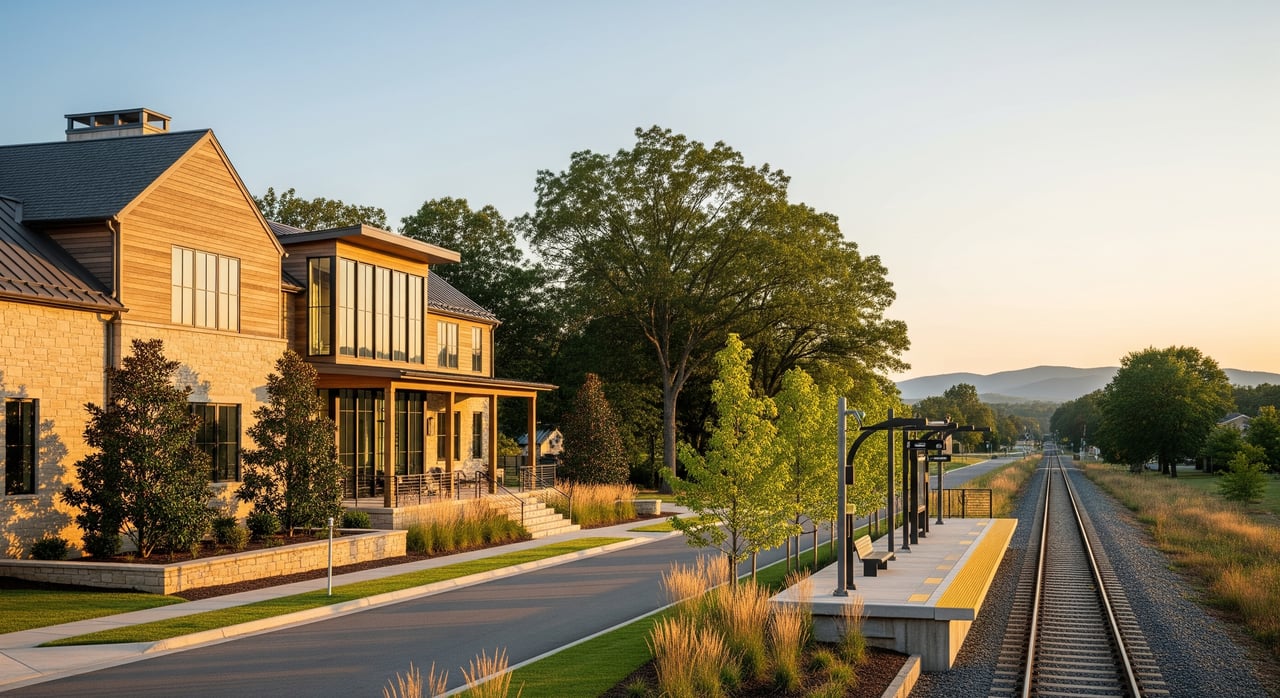
Marvin is a small, intentionally low‑density village that protects tree canopy and green space. The Village focuses future commercial activity into a compact Heritage District and invests in trails that connect neighborhoods to parks and the village center. You can see that vision in the Village’s planning for the Marvin Heritage District.
Parks and trails are a big part of everyday life here. Marvin‑Efird Park offers playgrounds, a community garden, meadows, natural trails, and disc golf, while the growing greenway network includes the paved Marvin Loop and connected trailheads. Explore the Village’s Marvin‑Efird Park and Trails & Greenways pages for maps and details.
Market‑wise, Marvin is an affluent micro‑market with values well above national averages. For context, DataUSA reports a 2023 median property value of about 860,600 dollars in Marvin (DataUSA, 2023). See the DataUSA Marvin profile for the full snapshot and methodology.
Families and many relocating buyers also look closely at school assignments. Many Marvin addresses are served by Union County’s Marvin Ridge cluster, and Marvin Ridge High School is known for strong academics, including an IB program. Always verify attendance boundaries with UCPS for a specific address.
Amenity‑rich master‑planned communities
These larger neighborhoods are built around on‑site recreation and social programming. Think resident clubhouses, resort‑style pools, fitness centers, sport courts, and playgrounds. If you want built‑in activity options for kids and adults without driving across town, this category is your starting point.
Representative options
Providence Downs South. A gated luxury community known for a large clubhouse, a resort‑style pool with a lazy river and children’s areas, fitness facilities, tennis and pickleball, sports fields, playgrounds, and neighborhood ponds. An example listing noted HOA dues of 726 dollars at the time of marketing. Confirm current dues and inclusions with the HOA.
The Chimneys of Marvin. A Pulte‑built neighborhood with a resident clubhouse, multiple pools including a children’s pool, tennis and sport courts, and a network of walking trails. It’s a classic master‑planned amenity mix.
Firethorne Country Club. A private club community that centers on an 18‑hole course with clubhouse dining, tennis, fitness, and pool facilities. Club membership is a separate consideration from any HOA, so plan for initiation and ongoing dues if the country‑club lifestyle is important to you.
Lifestyle and resale angles
Convenience and community. On‑site facilities can shorten weekly routines by keeping swim time, playdates, and quick workouts close to home. The social calendar is often built‑in.
Predictable maintenance. You trade private pool or court upkeep for shared, professionally managed amenities. That predictability shows up in HOA dues rather than weekend projects.
Resale visibility. Pools, clubhouses, and proximity to strong schools tend to be high‑visibility marketing points. Long‑term appeal relies on ongoing HOA maintenance and whether the amenity package remains competitive in the submarket.
Equestrian enclaves and horse properties
If you want acreage and the option to keep horses or run a small private program, Marvin and the broader Marvin‑Waxhaw corridor offer equestrian‑influenced living. These properties often include barns or stables, fenced pastures, arenas or round pens, and larger lots.
Why buyers choose them
Space and privacy. Multi‑acre parcels give you room for animals, gardens, and outdoor projects, along with fewer immediate neighbors.
Lifestyle on site. For riders, the ability to school at home is a major lifestyle upgrade. Public parks and regional trail networks can complement private facilities.
Tailored improvements. Features like lighted arenas, quality fencing, and good drainage add real utility and can support resale when maintained.
What to verify
Zoning and permitted uses. Confirm county rules and any agricultural exemptions that could affect taxes or operations for equestrian use.
Facility condition. Assess fencing, barn structures, footing and drainage, pasture health, and access to services like vets and farriers.
Access and infrastructure. Note the road type, driveway length, and how deliveries or trailers will navigate the property.
Equestrian properties are a niche segment with a smaller but motivated buyer pool. Well‑equipped farms in recognized equestrian micro‑markets can command premiums per acre. Careful due diligence on facilities and county rules reduces surprises later.
Quieter luxury estates and gated enclaves
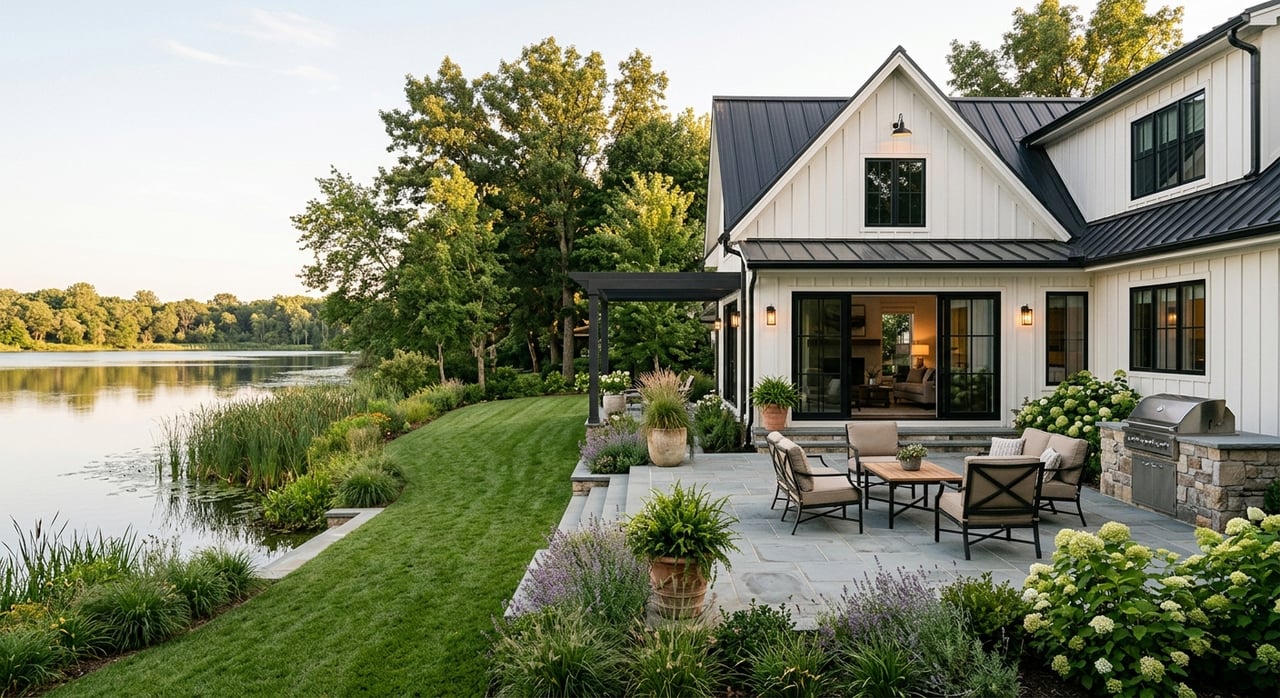
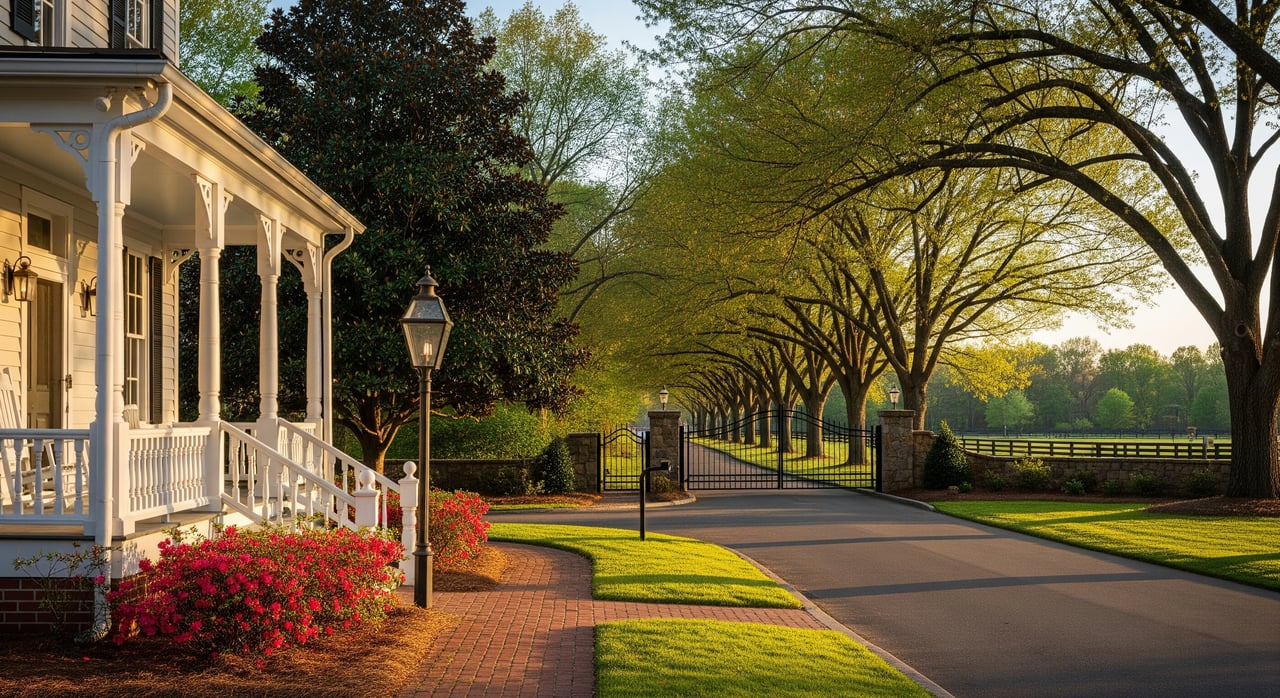
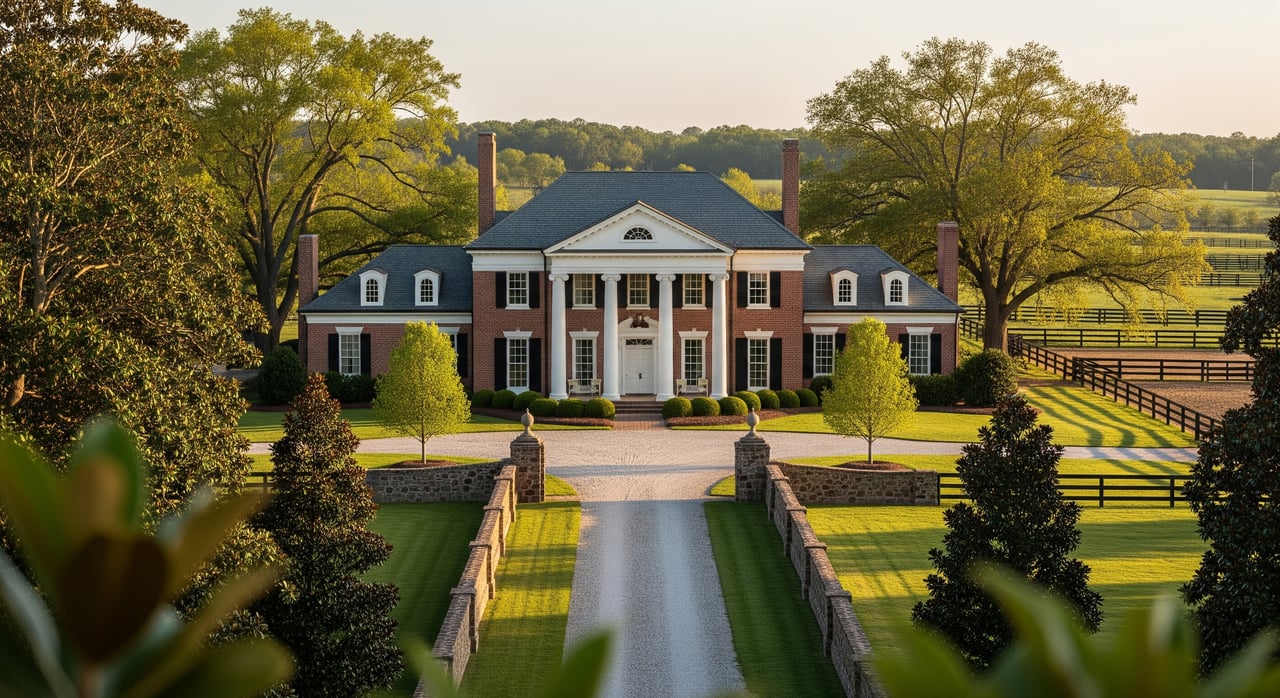
Prefer privacy over a big shared amenity list? Smaller, often gated streets feature custom homes, larger lots, and mature tree canopy. Here, the “amenities” are the property itself: outdoor living spaces, pools tailored to your needs, and quiet surroundings.
Representative options
Sage at Marvin. A recent gated estate community offering roughly one‑half to five‑acre home sites and custom builds. Price points commonly start around the low millions in current listings.
Woodhall and similar enclaves. Gated estate neighborhoods in the Marvin‑Waxhaw corridor that may feature lakes, private walking paths, and one‑of‑a‑kind custom construction rather than a community clubhouse.
Lifestyle and resale angles
Focus on setting. Lot size, privacy, and outdoor design take center stage. You control your own amenities rather than sharing them.
Custom build quality. Resale often tracks craftsmanship, architectural design, lot characteristics, and commute or school tradeoffs rather than an HOA amenity roster.
Trails, parks, and daily life
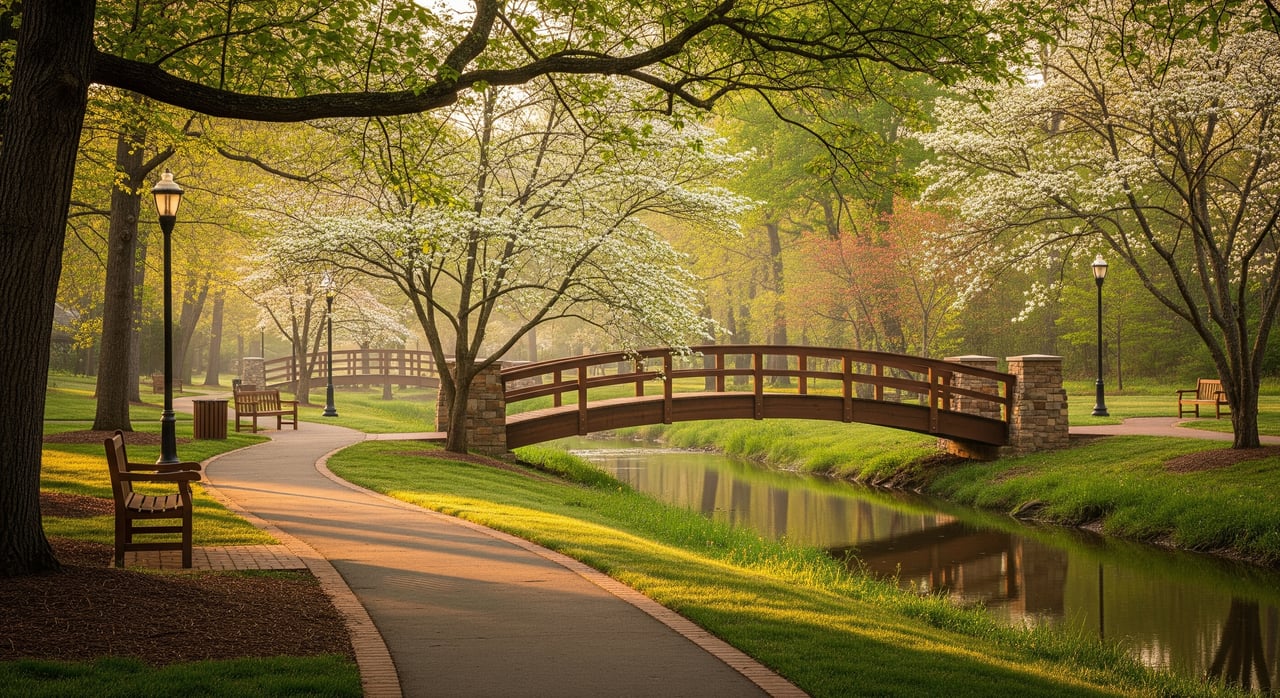
Marvin’s greenways are the connective tissue between neighborhoods and the village center. The paved Marvin Loop and natural‑surface trails make walking, jogging, and stroller time easy to build into your day. They also link to parks and trailheads with public parking, so meeting friends or changing up your route is simple. See routes and access points on the Village’s Trails & Greenways page.
At Marvin‑Efird Park, you’ll find playgrounds, meadows, and a community garden. It’s a natural gathering spot and a nice complement to neighborhood clubhouses or private backyards.
Shopping, dining, and commute reality
Inside the village, commercial development is intentionally limited. The Heritage District plan concentrates any future shops and services into a compact area to preserve Marvin’s low‑density character. Review the vision on the Marvin Heritage District page.
For daily errands and dining, residents typically drive 5 to 20 minutes to nearby centers such as Waverly, Blakeney, Rea Farms, or Ballantyne. Commute times depend on your route choices, like Marvin Road, Providence Road, or I‑485, and peak‑hour traffic patterns.
Quick tradeoff check
Amenities that save you time
- Community pool and clubhouse with staffed upkeep.
- Fitness rooms, tennis, and pickleball courts maintained by the HOA or club.
- Neighborhood trails that make quick exercise and playtime easy.
Amenities that need your time
- Private pool, outdoor kitchen, and elaborate landscaping you maintain or service.
- Barns, arenas, and pastures that require ongoing care and budget.
- Oversized lots where you manage more of the outdoor environment.
Use this lens to match your weekly routine to the right neighborhood type.
How to choose your best fit
Define your daily rhythm. List the 5 to 7 activities you want to simplify, like after‑school swim, gym time, dog walks, or riding.
Budget for dues and memberships. Factor in HOA dues for master‑planned communities and any separate club membership for options like Firethorne. One example listing noted HOA dues of 726 dollars in a high‑amenity community. Always confirm current figures with the association or club.
Verify school assignments. Many Marvin addresses feed into the Marvin Ridge cluster, but attendance depends on the exact address. Confirm zoning with Union County Public Schools.
Walk the trails and visit at peak times. Use the Trails & Greenways map to preview access, then visit neighborhoods during after‑school and weekend hours.
For horse properties, do a facility audit. Check fencing, barn structures, arena footing and drainage, and confirm any county permits or exemptions that apply.
Work with a local advisor. A team that knows Marvin’s HOAs, trail plans, and club nuances can save you time and help you avoid missteps.
What to expect on price
Prices vary widely based on lot size, build quality, and amenity mix. Marvin’s overall property values are high relative to national averages. For context, the 2023 median property value reported by DataUSA is about 860,600 dollars. You can review the methodology and data window on the DataUSA Marvin profile.
When you compare neighborhoods, evaluate total cost of ownership. Add HOA dues, club memberships, and any private amenity maintenance to your monthly budget. Then look at how those amenities reduce or add to your weekly time use. That is often what makes one community a better fit than another at a similar price point.
Next steps
If you’re weighing a move within Marvin or relocating to the area, we can help you compare neighborhoods side by side. We’ll map your daily routine, verify school assignments, gather HOA documents, and arrange club introductions or equestrian‑property due diligence. Ready to see how the right amenities can simplify your life? Connect with Jeremy Ordan to start your next move.
FAQs
Do Marvin neighborhoods have on‑site shopping and restaurants?
- Marvin limits in‑village commercial development, so most residents drive 5 to 20 minutes to nearby retail districts. The Village’s Heritage District overview explains the compact plan for any future shops and services.
Do all Marvin addresses attend Marvin Ridge schools?
- No. Many addresses do, but school assignment depends on your exact address. Always verify boundaries with Union County Public Schools and review Marvin Ridge High School resources for program details.
Are horse properties common in the Marvin area?
- Yes, Marvin and the adjacent Waxhaw corridor include equestrian properties with barns, pastures, and arenas. It is a niche segment, so verify zoning, permitted uses, and facility condition before you buy.
How do Marvin’s greenways affect daily life?
- Trails like the Marvin Loop and connected pathways make it easier to walk, jog, and link neighborhoods to parks. Check the Village’s Trails & Greenways page for maps and access points.
What should I know about country‑club communities like Firethorne?
- Amenities such as golf, tennis, and dining are tied to private club membership that is separate from HOA dues. Budget for initiation and ongoing fees, and confirm membership transfer or approval policies directly with the club.