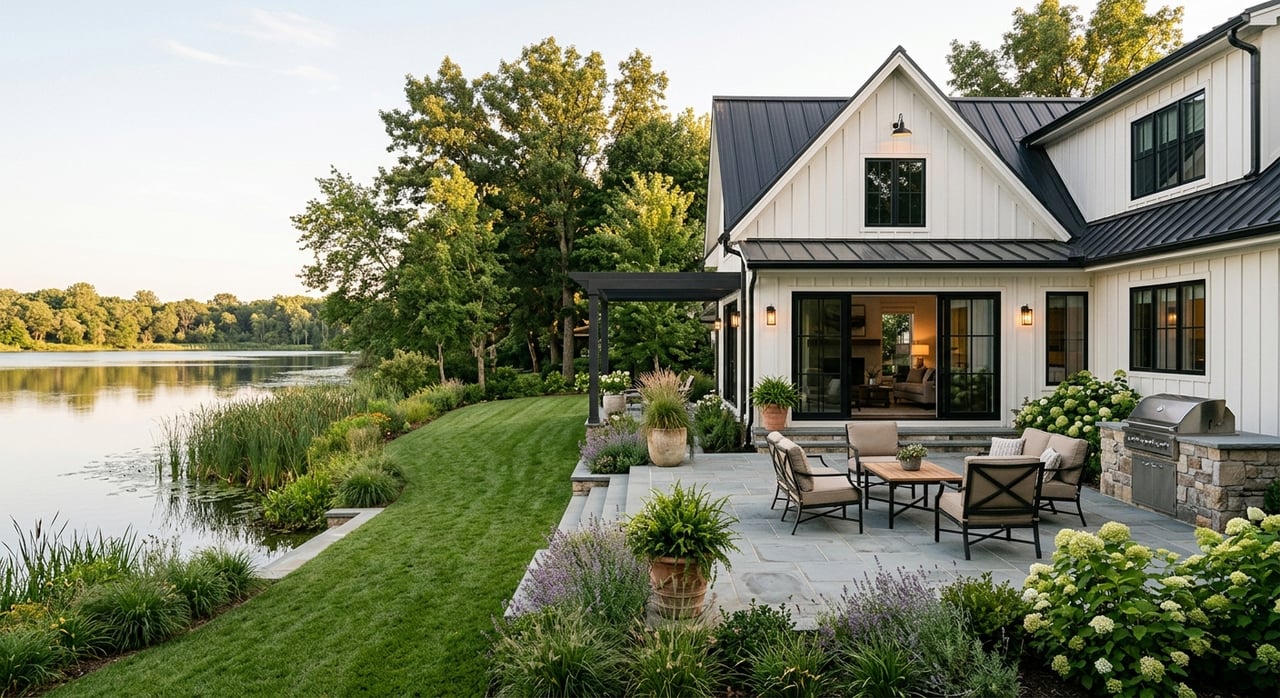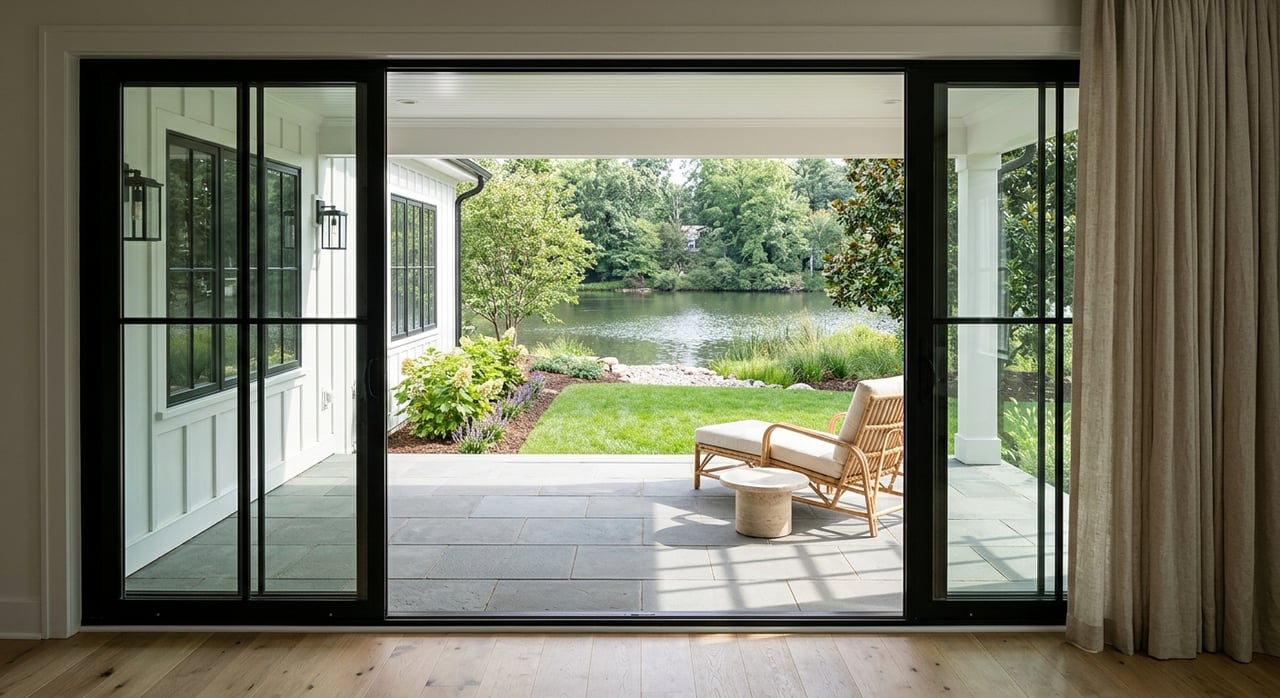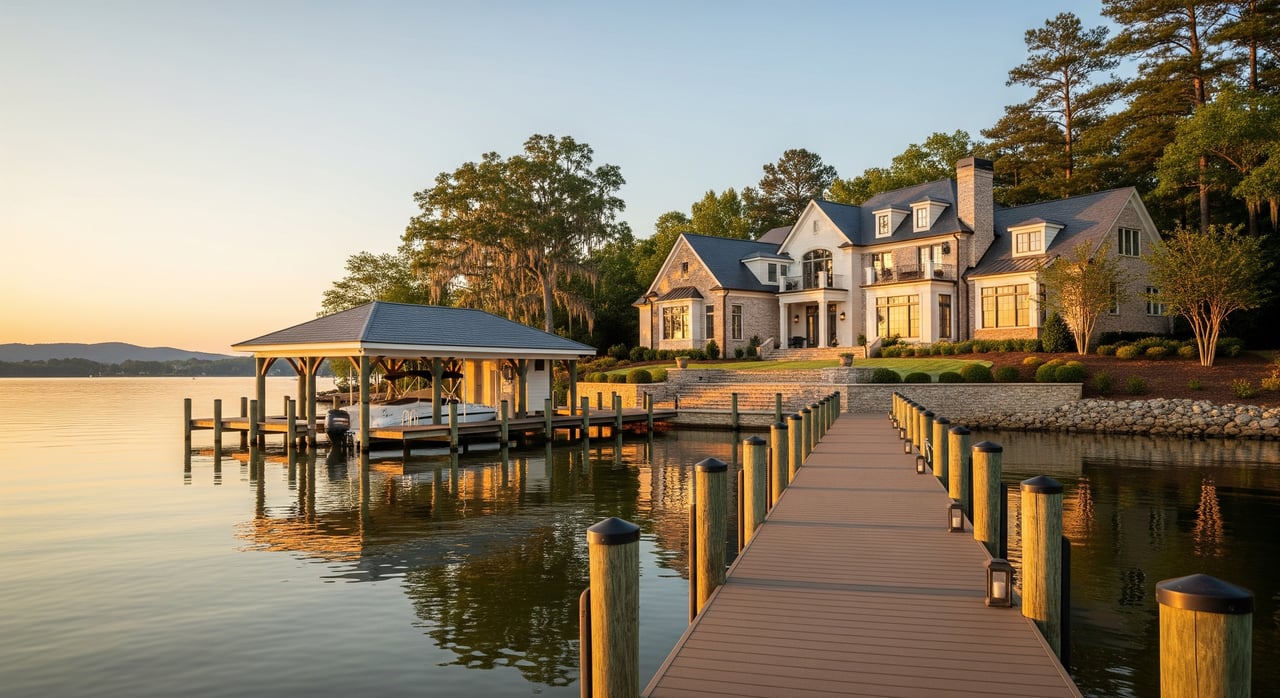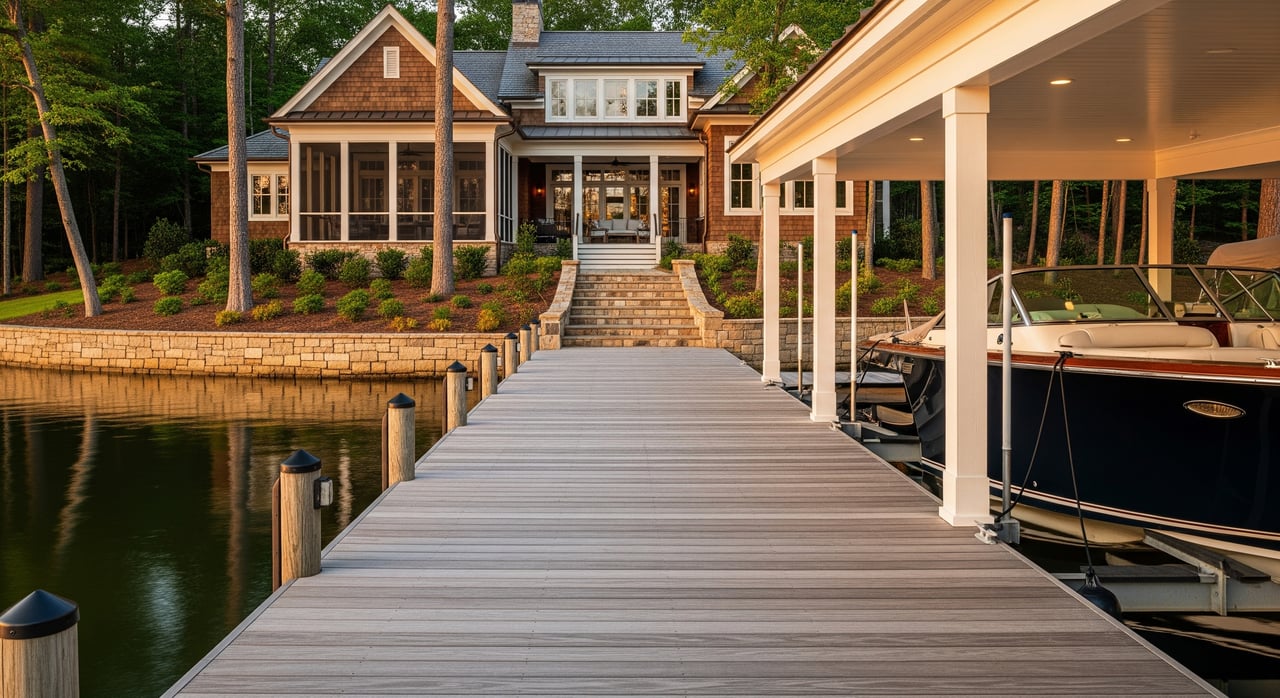
Picture stepping from your back porch to your boat, coffee in hand, and cruising out to open water before the day begins. If that is your goal in Mooresville, the details behind boat slips matter as much as the view. You want the right kind of access, predictable costs, and clear ownership. In this guide, you will learn the slip options you will see around Lake Norman, how they affect value and lifestyle, and what to check during due diligence so you can buy with confidence. Let’s dive in.
Why Mooresville and Lake Norman
Mooresville sits on the southern shore of Lake Norman, a major boating hub for the Charlotte area. The lake drives demand for homes with water access, from private docks to community marinas. Many buyers work in or commute to Charlotte, so Mooresville offers a blend of lake lifestyle and regional convenience.
You will find a mix of property types. Some homes sit on the water with a dock or pier. Others are in planned communities that share a marina through the homeowners association. Townhome and condo developments may assign slips to owners. You can also lease a slip from a nearby private marina if ownership is not a must.
Slip types explained
Understanding how a slip is held is the first step to a smart offer. It shapes your rights, your costs, and your resale.
Deeded slip or dock
A deeded slip is owned with the property and transfers with the sale.
- Pros: Strongest long-term control and convenience.
- Cons: You handle maintenance, repairs, and compliance.
- Verify: Deed and plat should confirm ownership, location, and any easements or riparian rights.
Assigned community slip
The homeowners association owns the docks and assigns slips to owners.
- Pros: Shared upkeep through HOA dues and a community setting.
- Cons: Rules can limit transferability and boat size; assignments can be revocable or subject to waiting lists.
- Verify: CC&Rs, bylaws, marina rules, fee schedules, and any special assessment history.
Leased marina slip
You rent a slip from a commercial marina by month, season, or year.
- Pros: Lower upfront cost and professional maintenance.
- Cons: Availability and lease terms can change; leases do not convey with the home.
- Verify: Lease terms, fees, services, and any transfer or waitlist policies.
License or permit-based access
Some arrangements are licenses rather than property rights. These can be revocable and offer less security.
- Pros: Flexibility and sometimes lower cost.
- Cons: Weaker long-term certainty for resale planning.
- Verify: Written agreements and any governing permits.
Wet slip vs dry storage
Choosing where your boat lives affects your routine and budget.
Wet slip
Your boat stays in the water at a dock.
- Benefits: Immediate access and easy day trips.
- Consider: Lift condition, electric service, and water depth during seasonal changes.
Dry stack or trailer storage
Your boat is stored on land at a marina or on a trailer.
- Benefits: Protection from weather and often reduced hull maintenance.
- Consider: Higher service fees, scheduling launches, and storage capacity.
Title and covenant checks
Do not rely on a listing description. Confirm the paperwork.
- Deed and plat: Look for the slip or dock location, easements, and riparian rights.
- HOA and marina rules: Review CC&Rs, bylaws, and marina policies on boat size, fuel storage, guest use, and rentals of slips.
- Transferability: Clarify whether an assigned slip transfers on sale or requires a new application.
- Tax records: Determine if the slip or dock is part of the tax parcel or separately assessed.
Permits and rules on Lake Norman
Shoreline structures on Lake Norman are managed and permitted.
- Duke Energy permits: Docks, piers, and lifts typically require a permit. Confirm there is an active permit and whether it must be renewed or transferred.
- Local approvals: Town of Mooresville and Iredell County may require building or zoning permits. Floodplain rules, setbacks, and shoreline stabilization can apply.
- Environmental reviews: Larger projects or shoreline changes can trigger state or federal review.
- Water levels: Lake levels can fluctuate. Dock design, boat lift height, and depth at low water matter for year-round use.
- Insurance and safety: Verify boat and dock coverage requirements. An HOA or marina may require minimum liability limits.
Costs to expect
Budgets vary by community and lake location. Plan for one-time and ongoing items.
- Purchase premium: Homes with deeded docks or private waterfront access often sell at a premium, shaped by orientation, views, and depth at the dock.
- Capital items: Dock construction or upgrades, lifts, electric, and shoreline stabilization.
- Recurring costs: HOA dues for marina upkeep, marina lease fees, dock maintenance, utilities to the dock, boat and dock insurance, and potentially higher property taxes for waterfront parcels.
- Special assessments: Communities may levy assessments for major dock or marina projects.
Due diligence checklist
Use this list to keep your purchase on track.
- Title and documents: Deed, plat, and any recorded easements. HOA CC&Rs, bylaws, marina rules, and meeting minutes that mention docks.
- Permits and compliance: Active Duke Energy dock permit, local permits, and any code issues.
- Physical condition: Professional dock inspection for pilings, framing, decking, hardware, and electrical. Lift age and service records. Depth survey at low water and navigability to open water. Shoreline erosion and seawall or riprap integrity.
- Insurance: Quotes for homeowners, flood where applicable, and boat or dock coverage. Review liability language in HOA or marina documents.
- Operations: Slip dimensions, maximum boat size, seasonal use, guest policies, and any waitlists. Wake zones and use restrictions.
- Financials: HOA reserves and any assessment history. Slip fee schedules and increases. Tax treatment for the slip or dock.
Questions to ask sellers and HOAs
Bring these to your showings and offer prep.
- Is the slip deeded, assigned, or leased, and what documents prove it?
- What is the dock and lift maintenance history and current condition?
- Are there active permits, violations, or pending assessments related to the dock or marina?
- What are the slip dimensions, water depth at low water, and route to the main channel?
- Do rules limit boat size, horsepower, or personal watercraft?
- Will the slip transfer with the sale, or is there a waitlist or reapplication?
How Mooresville location shapes value
Not all slips or shorelines are equal. Local factors influence daily use and resale.
- Proximity: Nearby marinas, fuel, and repair services increase convenience.
- Depth and access: Reliable depth at the end of the dock and easy access to navigable channels help day-to-day usability.
- Orientation and exposure: Southern exposure, wind shelter, and cove protection can improve comfort and reduce wear on structures.
- Condition and age: Newer docks, lifts, and electrical often lower near-term costs and appeal to future buyers.
- Community rules: Restrictions on boat size or type can impact your plans and marketability later.
Smart next steps
If a lake lifestyle is your priority, align your search with the slip type you want. Decide if deeded ownership, community convenience, or marina flexibility fits your plans. Then verify every detail with documents, inspections, and permits before you commit.
Ready to compare neighborhoods and slip options that match your boat and budget? Start a focused search with a local team that knows the shoreline and the paperwork that goes with it. Reach out to Jeremy Ordan to plan your move to Mooresville’s lake life.
FAQs
What types of boat slip arrangements are common in Mooresville?
- You will see deeded private docks, HOA-assigned community slips, and leased slips at private marinas, each with different rights and costs.
What permits do I need for a dock on Lake Norman?
- Docks and lifts typically require a Duke Energy shoreline permit along with any Town of Mooresville or Iredell County permits that apply.
Do assigned community slips always transfer when a home sells?
- Not always; some HOAs transfer assignments automatically while others require reapplication or place new owners on a waitlist.
How much do HOA or marina slip fees cost in Mooresville?
- Fees vary widely by community or marina services, so review current schedules, recent increases, and any special assessment history.
What should I inspect on a dock and lift before closing?
- Have a professional check pilings, framing, decking, hardware, electrical, lift mechanics, and confirm water depth at low levels.
Are Lake Norman water levels a concern for daily use?
- Levels can fluctuate, so verify dock design, lift height, and depth at the slip to ensure your boat remains usable year-round.