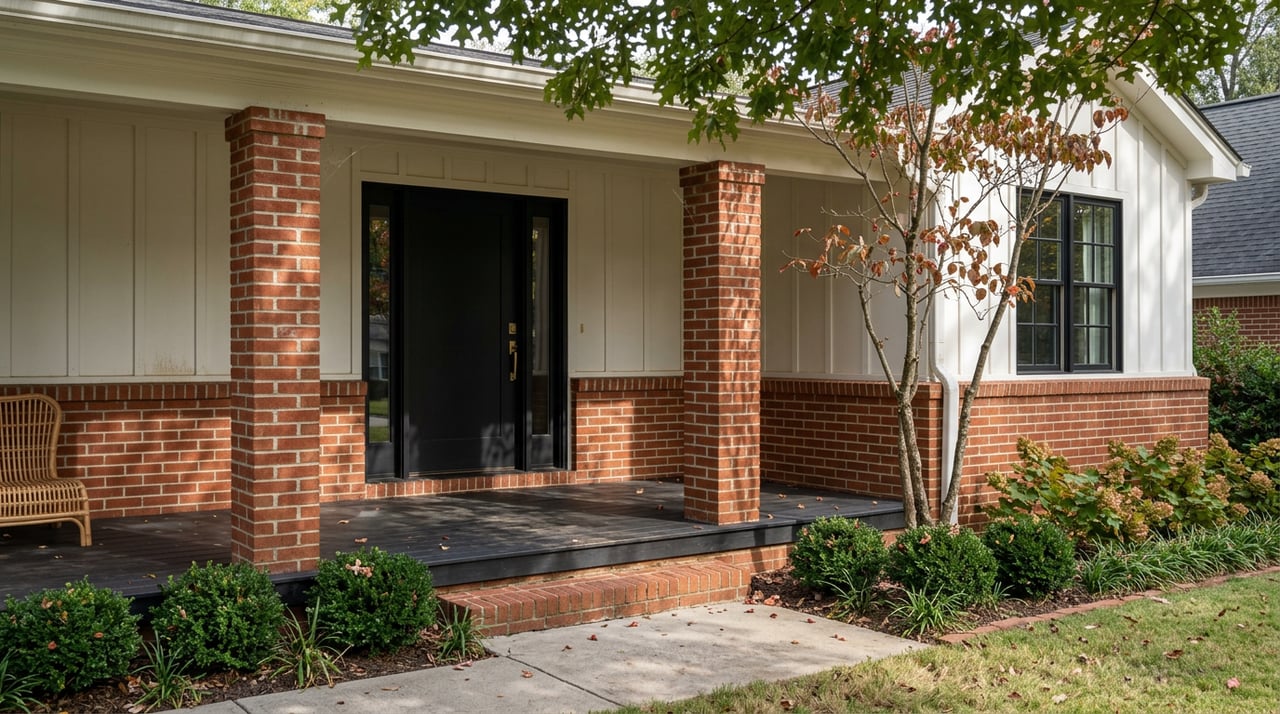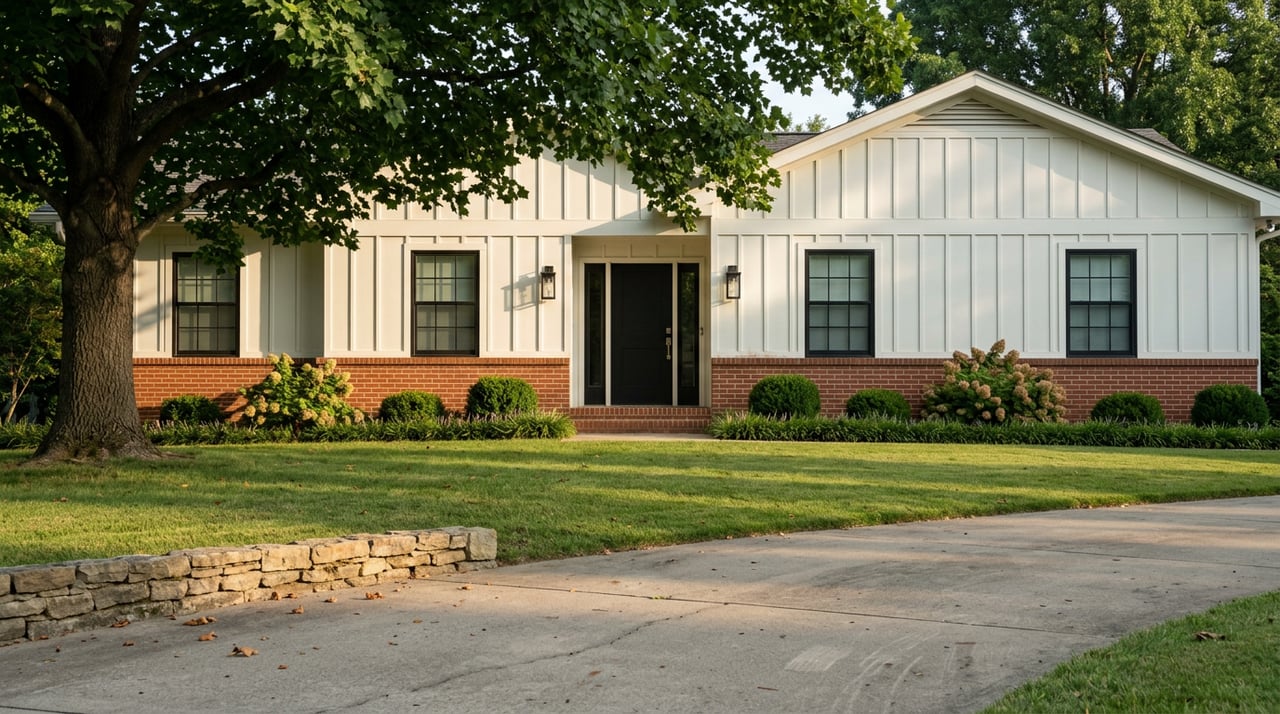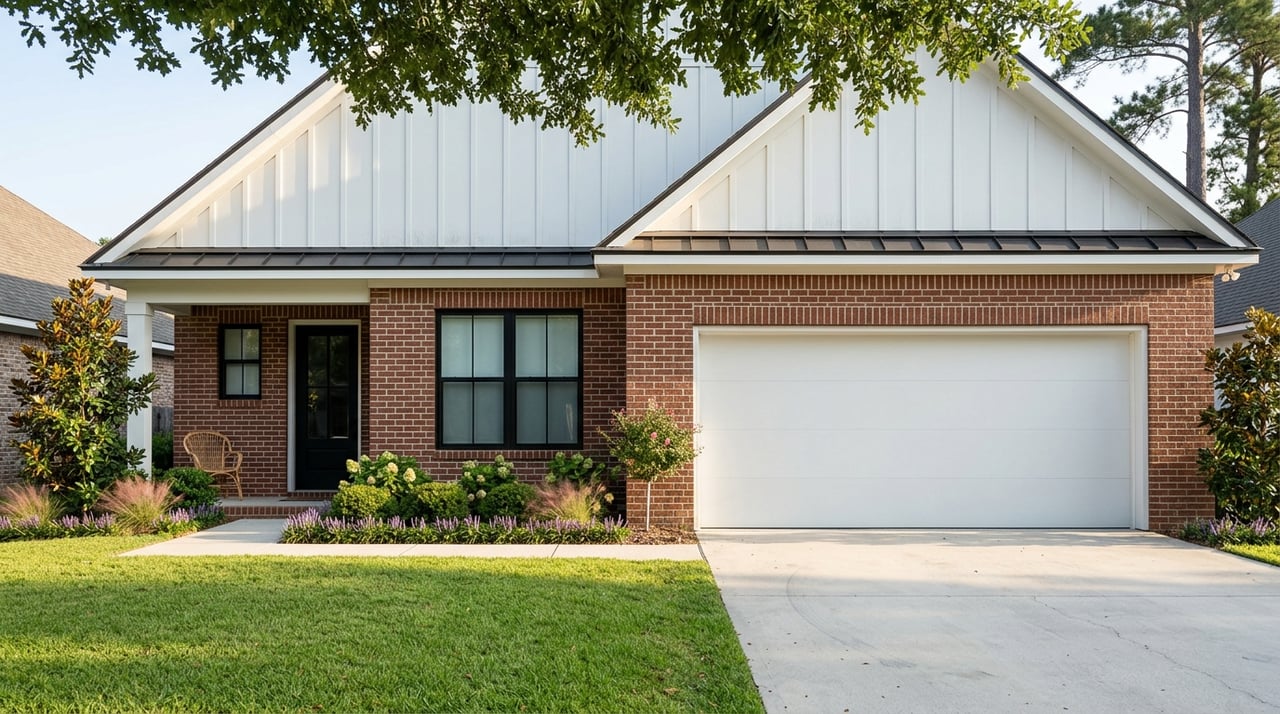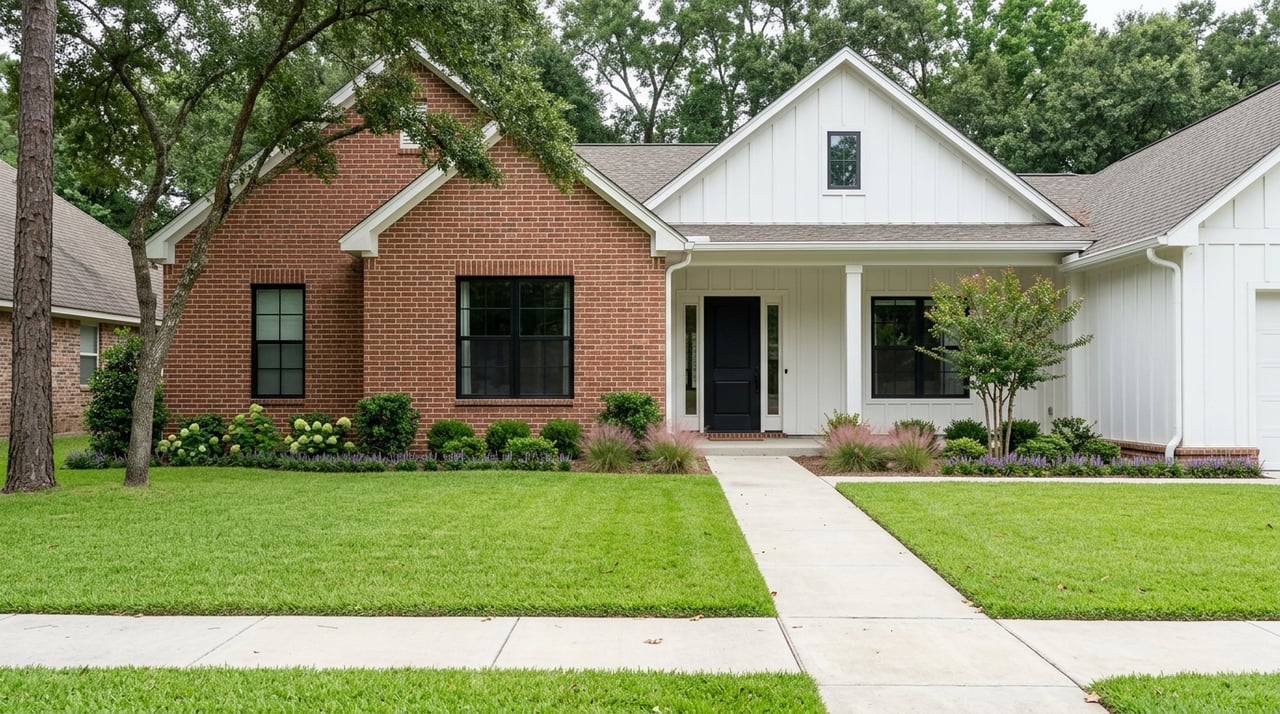
Thinking about a move to Charlotte but not sure which suburb fits you best? You are not alone. The metro offers many great options, each with different commutes, housing styles, school districts, and amenities. This guide shows you how to compare suburbs the right way, highlights popular areas, and gives you a clear checklist to narrow your search. Let’s dive in.
How to compare Charlotte suburbs
Commute and transportation
Your commute depends on both distance and direction. Many jobs are in Uptown, SouthPark, Ballantyne, University City, and along interstate corridors. That means traffic patterns vary by route, not just by miles. Most suburbs rely on driving, though the LYNX Blue Line serves areas from South End through Uptown to University City. If you fly often, consider travel time to Charlotte Douglas International Airport and whether a neighborhood might be under a flight path.
Practical checks:
- Test drive your morning and evening commutes on a typical weekday.
- Note chokepoints along I-77, I-85, and I-485 interchanges.
- Identify the nearest light rail or park-and-ride if relevant.
- Ask about flexible work hours or hybrid schedules to smooth peak traffic.
Housing and affordability
Suburbs differ in age, style, and size of homes. Inner areas often have established neighborhoods with mature trees and smaller lots. Outer areas tend to offer larger lots, newer construction, and planned communities with amenities. HOAs are common in many subdivisions, with rules and fees that vary by neighborhood.
Practical checks:
- Review recent neighborhood sales in the last 6 to 12 months to confirm price bands.
- Compare new construction, resale single-family homes, and townhomes to see what fits your budget.
- Confirm HOA rules, fees, and any architectural guidelines before you fall in love with the house.
Schools and family services
District boundaries shape many buyers’ choices. Some towns are served by Charlotte-Mecklenburg Schools, while others are in Union County, York County, or other districts. School assignment can vary by neighborhood, sometimes even within the same town. Families often compare state report cards, attendance zones, and local programs.
Practical checks:
- Verify the specific school assignment for any address you tour.
- Review district and state performance metrics and visit campuses.
- Check availability of daycare, after-school programs, youth sports, and library services.
Amenities and lifestyle
Do you want a lively town center, lake access, or quiet streets and larger yards? Some suburbs put you close to shopping and dining, while others offer more space and a slower pace. Consider where you spend weekends and where you want to build community.
Practical checks:
- Time your walk or drive to coffee, grocery, parks, and medical care.
- Visit on a weeknight and a weekend to feel the vibe.
- Explore greenways, recreation centers, and local event calendars.
Taxes and ownership costs
Property tax rates differ by county and town, and cross-border moves into South Carolina add state tax differences to your analysis. Utility providers vary by area, and certain locations may have flood insurance requirements.
Practical checks:
- Request sample tax bills from the local assessor for a few comparable homes.
- Check utility providers, average costs, and any tap or hook-up fees for new builds.
- Review FEMA flood maps and local stormwater rules if near creeks or low-lying areas.
Growth and future development
New subdivisions, retail projects, and road improvements can change traffic, school capacity, and neighborhood character over time. Growth can be positive, but it is smart to understand what is planned.
Practical checks:
- Review town or county planning documents for approved projects.
- Ask about planned road widenings or transit updates.
- Note where new commercial centers are proposed and how that affects your daily routes.
Safety and services
Access to police, fire, EMS, and hospitals matters for peace of mind. Many municipalities publish response and crime data online.
Practical checks:
- Review local public safety maps and reports.
- Identify the nearest hospitals and urgent care centers.
- Understand permitting timelines if you plan to renovate.
Quick profiles: popular Charlotte suburbs
South Charlotte and Ballantyne
South Charlotte and Ballantyne mix established neighborhoods with corporate campuses, shopping, and dining. You will find many planned communities with amenities, plus access to SouthPark and Ballantyne employment centers. Commutes to Uptown vary by exact location, and local arterials can be busy during peak hours.
What to weigh:
- Convenience to major employers and retail.
- HOA fees and community amenities.
- Local traffic along key corridors.
Waxhaw and Weddington
Set in Union County, Waxhaw offers a historic small-town main street alongside new subdivisions. Weddington has a lower-density, rural-residential feel with larger parcels. Many buyers choose this area for more space, while accepting longer drives to Uptown and SouthPark.
What to weigh:
- Lot size, established trees, and privacy.
- Drive times to corporate hubs and shopping.
- Zoning and HOA rules, which can vary across subdivisions.
Fort Mill and Tega Cay
Just over the South Carolina line, Fort Mill and Tega Cay are known for rapid growth and newer neighborhoods with community amenities. Proximity to South Charlotte is a draw, with many commuters using the I-77 corridor. Cross-state moves come with different tax structures and vehicle registration requirements.
What to weigh:
- Commute variability on I-77 during peak hours.
- School capacity considerations in fast-growing areas.
- Differences in taxes and services between NC and SC.
Matthews and Mint Hill
Located southeast of Charlotte, Matthews has a charming downtown and community events. Mint Hill blends suburban and semi-rural sections. Both offer established neighborhoods and access to I-485, with reasonable commutes depending on your work location.
What to weigh:
- Walkability to town centers and parks.
- Variety of home ages and styles.
- Access to major corridors and daily amenities.
Lake Norman corridor: Huntersville, Cornelius, Davidson
These towns offer lake access, greenways, and a mix of older areas and newer development. Davidson adds a college-town feel. Commutes use I-77 toward Uptown, which can slow during rush hour.
What to weigh:
- Desire for boating, trails, and waterfront lifestyle.
- Travel times during peak hours on I-77.
- Inventory mix for single-family homes and townhomes.
Mooresville and northern suburbs
Further north, Mooresville and nearby areas offer more affordability at scale and many new-home options. Commutes are longer for Uptown, but some residents work locally in manufacturing, logistics, or motorsports businesses.
What to weigh:
- Value for larger homes and lots.
- Daily commute expectations and remote work options.
- Community amenities and new development pace.
Uptown-adjacent neighborhoods
Areas like NoDa, Plaza Midwood, Dilworth, Myers Park, and South End attract buyers who want walkable streets and access to nightlife, restaurants, and transit. Detached homes can be limited, and prices per square foot may run higher in some pockets.
What to weigh:
- Proximity to rail transit and walkable amenities.
- Smaller lots and limited yard space.
- Inventory and competition for in-demand streets.
Commute scenarios to test
- Uptown inbound: If you plan to commute to Uptown, test early-morning and late-afternoon drives from your short-listed suburbs. Try multiple routes, including beltway options.
- Ballantyne or SouthPark: If your job is in a suburban corporate park, prioritize lateral routes that avoid Uptown congestion. Drive the exact surface streets you would use.
- University City or airport: If you work near UNC Charlotte or travel often, weigh proximity to the Blue Line or direct highway connections. Note any homes near flight paths.
Tip: Track one full week of real-time drive times on your phone to capture variability. This helps you compare suburbs using actual data rather than estimates.
Taxes and cross-border differences
If you are weighing North Carolina versus South Carolina suburbs, include overall cost of living in your review. Property tax rates, sales tax, and income tax structures vary by state and municipality. Vehicle registration and school funding policies differ too.
Smart steps:
- Ask county assessors for sample tax bills on homes similar to your target.
- Price out registration and inspection steps if moving a vehicle across the border.
- Review how tax differences might affect your total monthly budget.
How development may affect daily life
Growth brings new retail, parks, and homes, but it also adds cars to the road and can affect school capacity. Road projects may improve traffic long term while causing short-term delays. Understanding what is approved versus proposed helps you forecast change.
Smart steps:
- Scan town planning agendas for rezoning and subdivision approvals.
- Check DOT announcements for road widenings, new interchanges, or signal updates.
- Ask about staging timelines for master-planned communities that will build out over several years.
Checklist: narrow your search
Define priorities and non-negotiables:
- Maximum roundtrip commute and preferred direction of travel.
- Must-have amenities like parks, lake access, walkable dining, or transit.
- School performance and program needs based on your family’s goals.
- Desired property type and lot size, plus maximum HOA fee.
Shortlist geography:
- Map 20 to 30 minute drive-time zones from work, schools, the airport, and routines.
- Highlight towns that meet your commute window.
- Flag any cross-border options for tax and registration review.
Data gathering:
- Pull recent sales and median pricing by town for the last 6 to 12 months.
- Verify school attendance zones and review district report cards.
- Check planning documents for big projects that could change traffic or services.
Fieldwork:
- Drive your peak-hour commute routes on a typical weekday.
- Visit town centers, grocery options, parks, and greenways to test daily life.
- Tour a mix of new construction, resale, and townhomes to compare cost per square foot and lot sizes.
Risk checks before offers:
- Review FEMA flood maps and local overlays.
- Confirm water, sewer, and electric providers, plus any hook-up fees.
- Reconfirm school assignment for the specific address.
- Ask about HOA rules, pending assessments, or special district taxes.
When to bring in a local expert
Choosing a suburb is a big decision. A local advisor helps you read micro-trends, confirm school boundary details, and understand what is being built next. The right partner also shapes a winning offer and orchestrates logistics like inspections, staging, and closing timelines.
Why it helps:
- Local-market nuance: street-by-street pricing and inventory insight.
- District knowledge: current attendance maps and likely adjustments.
- Pipeline awareness: new subdivisions and timing that affect traffic and values.
- Negotiation and timing: strategies matched to each suburb’s pace.
- Logistics: efficient neighborhood tours and trusted vendor referrals.
Ready to find your fit with less stress and more confidence? Start a conversation with Jeremy Ordan for a personalized plan and on-the-ground guidance.
FAQs
How should I pick a Charlotte suburb if I work in Uptown?
- Test your peak-hour commute from 2 to 3 short-listed areas, compare routes using I-77, I-85, or I-485, and weigh lifestyle trade-offs like lot size and walkability.
What is the best way to compare schools across districts and states?
- Verify attendance zones for each address, review district and state performance data, tour campuses, and speak with administrators about programs that matter to your family.
How do NC and SC tax differences affect my budget?
- Request sample property tax bills, price out vehicle registration, and consider sales and income tax differences to estimate your total monthly housing cost.
Will new development change traffic in my chosen suburb?
- Check town planning documents and road project updates to see what is approved and when it will be built, then factor construction timelines into your commute plan.
How can I reduce risk before making an offer?
- Confirm utilities, review flood maps, verify school assignment for the address, and ask about HOA rules or pending assessments before finalizing your terms.