Wondering if moving to Gaston County is the easiest way to get more house, more yard, or a little more breathing room near Charlotte? You are not alone. Many buyers start looking west when Mecklenburg prices feel tight, but the trade-offs are not always obvious at first glance. This guide will help you understand where Gaston County stands on price, commute, housing options, and future growth so you can decide if it fits the life you want. Let’s dive in.
Why Gaston County Gets Attention
If your main goal is more space for your budget, Gaston County deserves a serious look. Over the three months ending May 2026, the median sale price in Gaston County was $321,884, compared with $468,495 in Mecklenburg County. That is a meaningful gap for buyers trying to stretch their budget without leaving the Charlotte area altogether.
The same pattern shows up in price per square foot. Gaston County posted a median of $191 per square foot versus $242 in Mecklenburg, which points to more room for your money on a countywide basis. Census survey data also supports the same trend, with owner-occupied home values lower in Gaston than in Mecklenburg.
That does not mean Gaston County is a hidden bargain bin or a slow market. In May 2026, 343 homes sold in the county, the median days on market was 60, and the sale-to-list ratio was 98.5%. In plain terms, buyers may find better value, but they should still expect real competition and a market that moves (learn how to navigate pricing in our guide on avoiding pricing traps in Gaston's post-reappraisal market).
What “More Space” Really Means
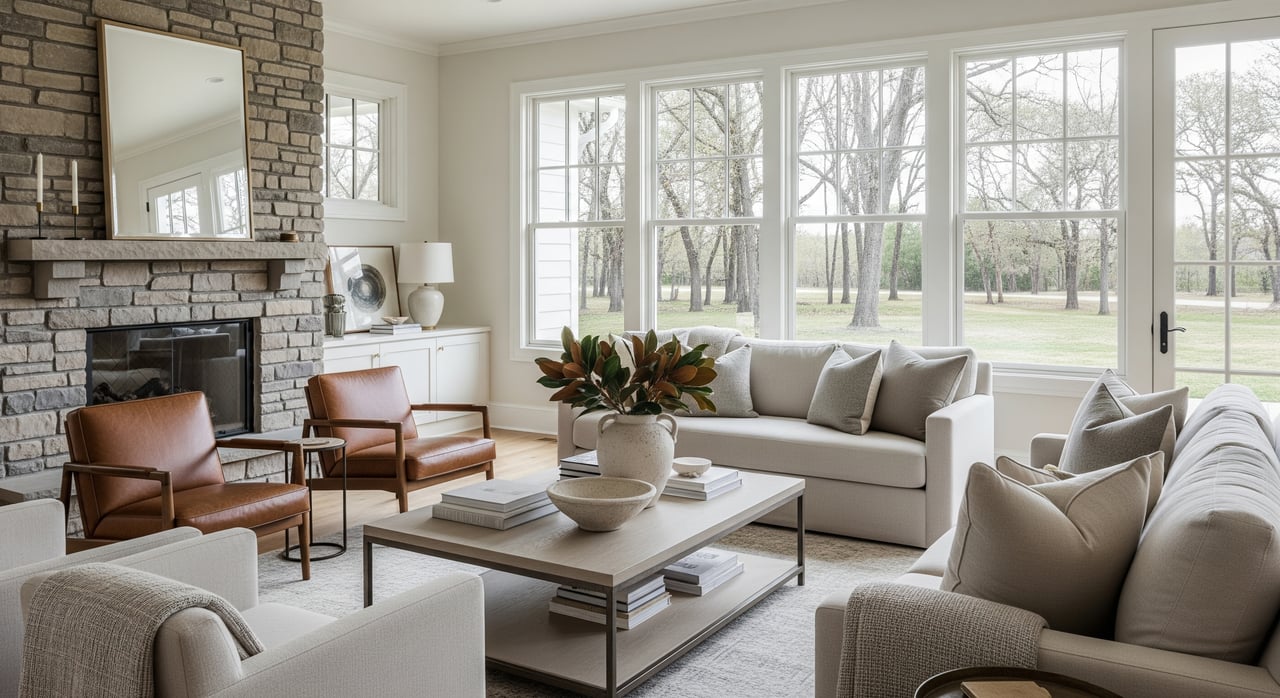
More space can mean different things depending on your goals. For some buyers, it means a larger home. For others, it means a bigger lot, more storage, or simply a chance to avoid the tighter pricing pressure common in Mecklenburg County.
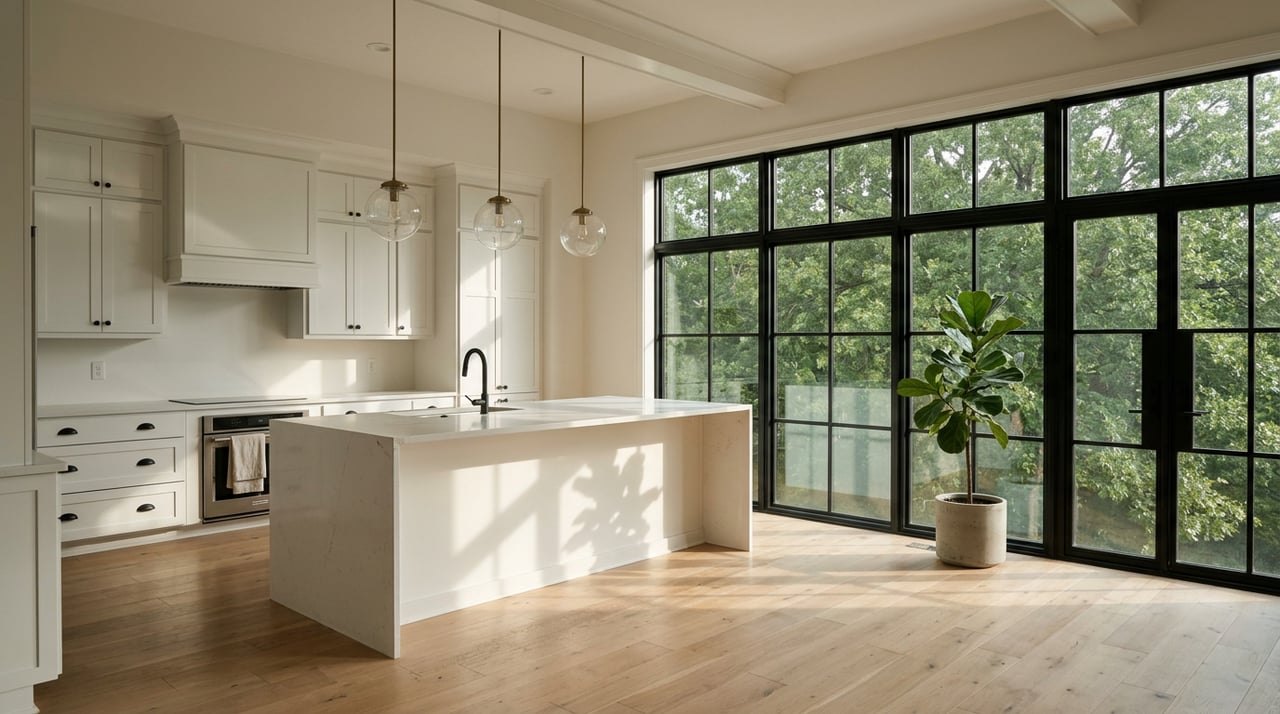
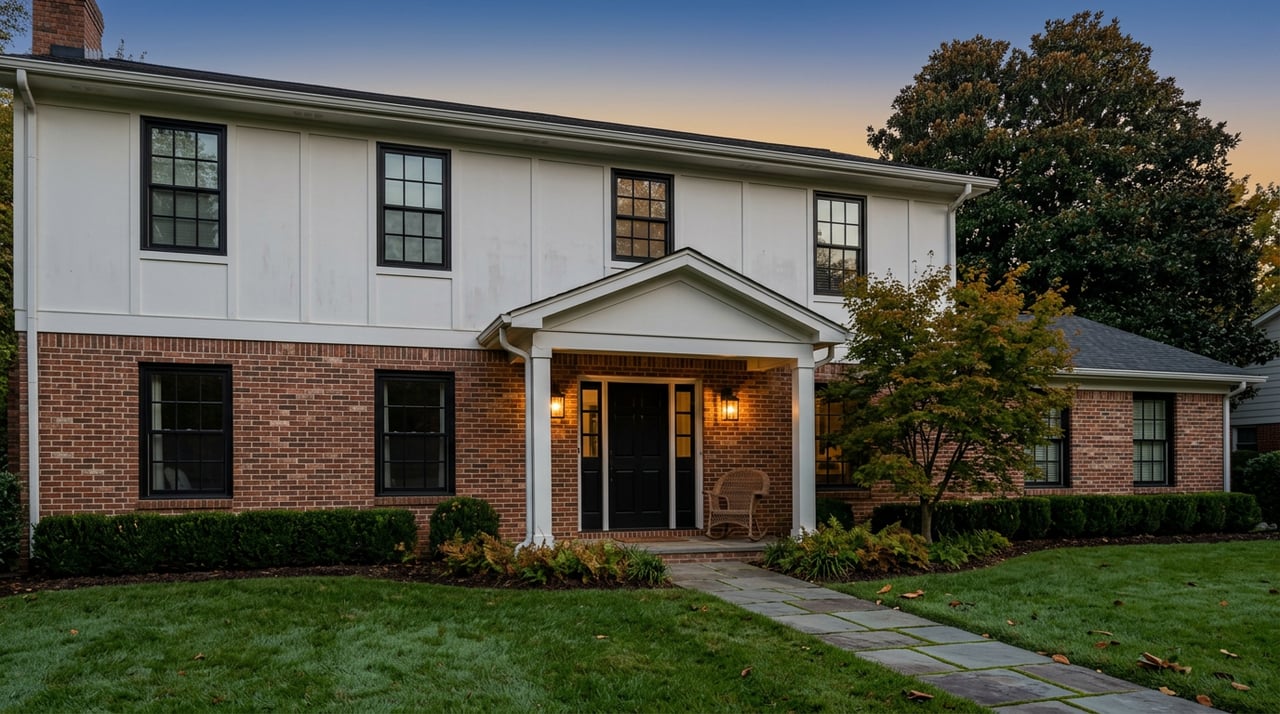
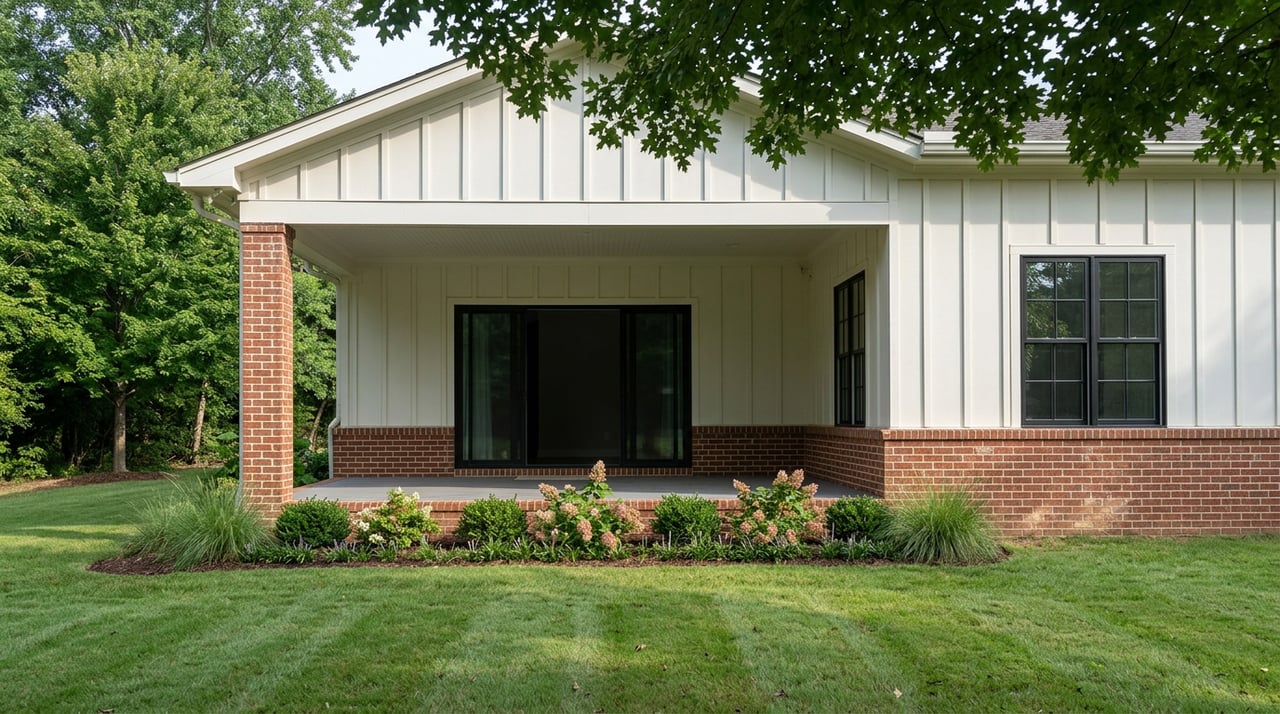
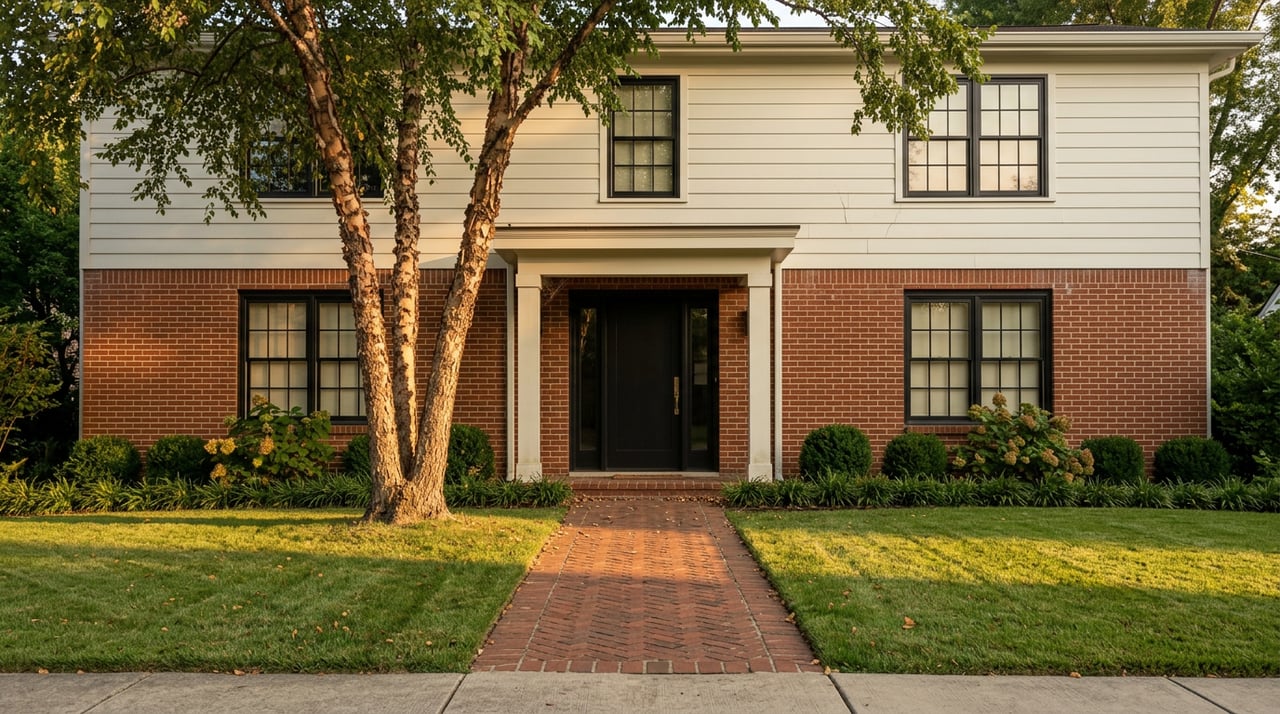
Gaston County stands out because the affordability difference is large enough to change your options. A budget that feels limiting in Mecklenburg may open up more choices in Gaston County, whether you are looking for a newer single-family home, a different layout, or a little more elbow room (when taking on older or remodeled properties, remember to test for radon in Gaston homes first).
It is also worth noting that Gaston County is not just one type of housing market. County leadership has publicly supported a mixture of housing patterns, including affordable housing and senior housing, and its budget direction also points toward more varied single-family and multi-family development over time. If you assume Gaston is only one style of suburban housing, the broader planning picture suggests a more mixed future.
Commute Reality: Better to Map It Than Guess
The biggest trade-off for many Charlotte-area buyers is commute convenience. Gaston County’s mean travel time to work was 27.0 minutes in 2020 through 2024, compared with 25.1 minutes in Mecklenburg County. On paper, that difference looks modest.
In real life, your experience may vary a lot depending on where you live in Gaston County and where you need to go. Gaston functions more like a corridor county than one simple commute zone, so location inside the county matters. A move that looks easy on a map can feel very different during the week if your daily route depends on a few key roads.
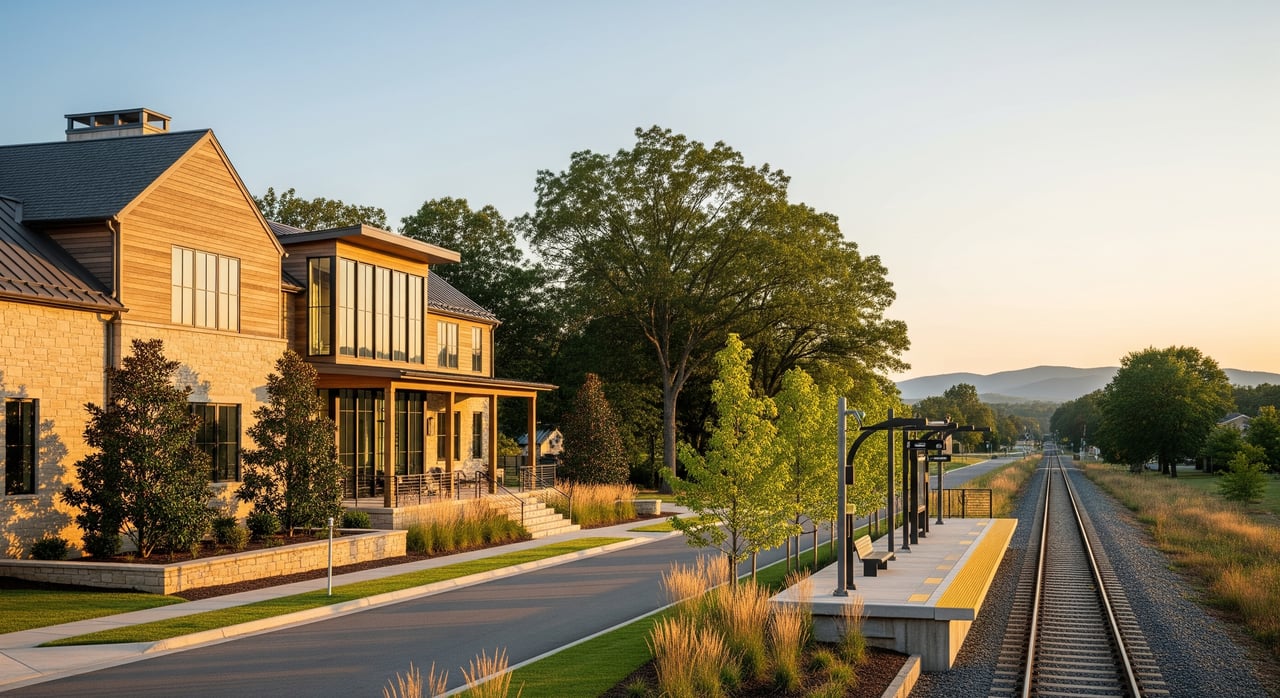
If you commute toward Charlotte, there are real connections to know. Gaston County ACCESS operates Monday through Friday from 4:00 a.m. to 6:00 p.m. CATS Route 85X provides direct service from the Gastonia Park & Ride to Uptown, and Gastonia also has Amtrak service noted by the county.
Road infrastructure is also evolving. The I-85 widening project is underway from Exit 17 in Gastonia to Exit 27 in Belmont, with bridge replacements and improvements tied to Cox Road and U.S. 29/74. That matters if you are trying to judge not just today’s drive, but how travel patterns may shift over time.
A Future Commute Wild Card
You may also hear about Catawba Crossings when researching eastern Gaston County. Right now, it is a feasibility study for a possible new roadway between NC 279 in southeastern Gaston County and NC 160 in western Mecklenburg County, with two river bridges and an interchange with I-485 (read our analysis on Catawba Crossings and Silver Line impact on Gaston housing).
That could become important one day, but it is not something to treat as a guaranteed near-term benefit. For now, it is best understood as a study, not a committed road. If commute access is a top concern, make your decision based on current routes and current travel patterns, not on a future project that may or may not advance.
Housing Stock and Ownership Trends
Gaston County has scale, and it is still growing. In 2024, the county had 104,618 housing units, 93,576 households, and 2,069 building permits. Those numbers point to an active housing market with ongoing development, not a place standing still.
The county also has a higher owner-occupied rate than Mecklenburg. Gaston County’s owner-occupied rate was 66.8%, compared with 55.1% in Mecklenburg County. That gives useful context if you are comparing long-term residential patterns across the two counties.
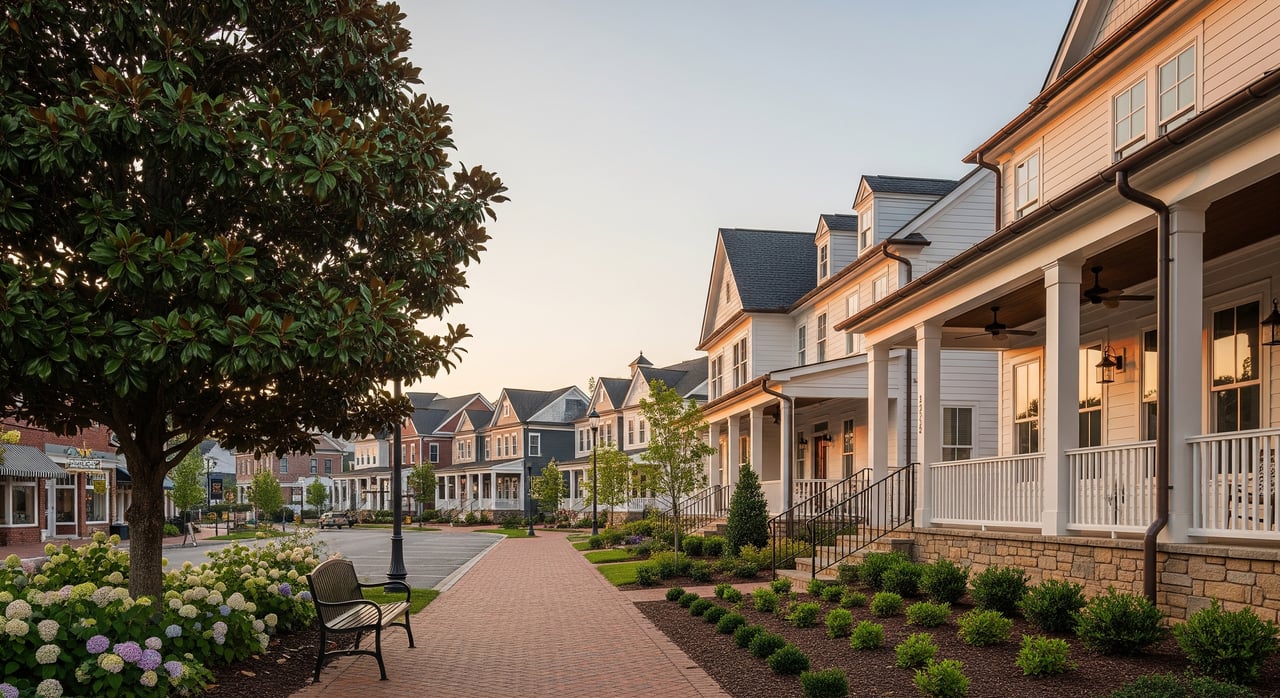
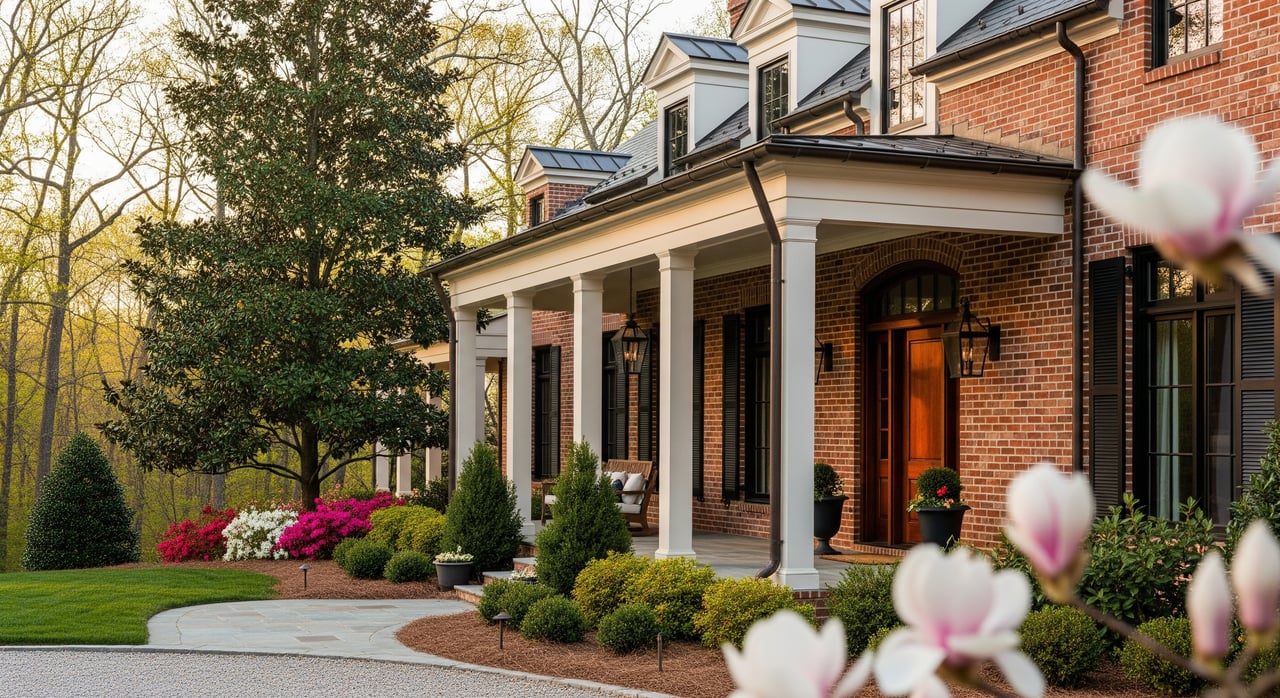
For buyers, this mix can create a wider set of choices. You may find established neighborhoods, newer construction, or communities that are still taking shape as the county continues to add housing (investors can also explore starter house hacking strategies in Gaston County or check local regulations before investing in short-term rentals in Belmont). HUD’s housing market analysis even points to Nolen Farm in Gastonia, a 411-home master-planned community with single-family homes starting at about $400,000, as one example of current building activity.
Planning Direction Matters
A county’s planning priorities do not tell you exactly what a specific block will look like next year, but they do help explain the bigger direction of growth. Gaston County’s comprehensive planning effort, Envision Gaston 2050, is focused on unincorporated areas and includes housing, transportation and mobility, infrastructure and public services, recreation and trails, natural resources, economic development, and farmland preservation.
That matters if you are trying to buy with a longer time horizon. When an area is actively planning for roads, housing mix, recreation, and infrastructure, you get a clearer sense that growth is being shaped rather than simply happening by accident. For many buyers, that is an important part of the decision.
Amenities May Matter More Over Time
Space is not just about your lot line. It is also about how a county feels to live in day to day. Gaston County’s infrastructure and recreation pipeline adds helpful context here.
The transportation project list includes I-85 widening, U.S. 29/74 widening, South New Hope Road improvements, Cox Road improvements, Belmont Rail Trail work, the Poston Park sidewalk connection, and the Lowell-to-Poston trail. These are practical projects that can improve connection, access, and everyday convenience over time.
The recreation story is growing too. Gaston County announced the purchase of 562 acres along Lake Wylie in Belmont for a future public park with six miles of public trails and a Carolina Thread Trail connection. That is the kind of long-range amenity investment many buyers care about when they are thinking beyond the house itself.
Existing recreation options also add to the picture. Gaston County Parks and Recreation says Poston Park has more than 10 miles of single-track trail, George Poston Park has North Carolina’s first asphalt pump track, and Dallas Park reopened its splash pad for the 2026 season. If outdoor access matters to your household, these details help round out the county’s appeal.
Who Gaston County May Fit Best
Gaston County often makes the most sense when your top priorities are more space, a lower purchase price, and access to outdoor amenities. It can be especially appealing if you want to stay connected to Charlotte but do not need the shortest possible commute every day.
It may be a strong fit if you are:
- Looking for more home for your budget than you are finding in Mecklenburg County
- Open to a car-first lifestyle with some Charlotte transit connections
- Interested in an area where infrastructure and amenity investment is still unfolding
- Comparing current value with long-term livability, not just a quick drive time
On the other hand, Gaston County may require a closer look if your work routine depends on a very specific commute window or if being near central Charlotte is your top priority. In those cases, the county can still work, but the exact location becomes even more important.
What to Check Before You Move
Before you decide, take a practical approach. The countywide numbers are helpful, but your day-to-day experience will come down to the exact home, town, route, and routine.
Here are a few smart checks to make:
- Test the commute during the times you would actually travel
- Compare price per square foot and total monthly cost, not just list price
- Ask how much new construction and road work is happening near the areas you like
- Look at nearby trail, park, and recreation access if lifestyle is part of your decision
- Separate current infrastructure from future proposals that are still in study phases
If you do that homework, you will be in a much better position to decide whether Gaston County is just cheaper on paper or truly a better fit for the way you want to live.
For many buyers, that is the real question. Gaston County is not simply a lower-cost alternative to Mecklenburg. It is a different value proposition, with more room, an active market, uneven but real commuter access, and a growing pipeline of infrastructure and outdoor amenities that may become more meaningful over time.
If you are weighing Gaston County against other Charlotte-area options, the right answer usually comes from matching the data to your daily life. Local real estate specialist Jeremy Ordan and the Ordan Osborne Team can help you compare locations, commute trade-offs, and housing options so your next move feels informed and confident. Curious what your current home is worth or exploring Gaston County properties for sale? Reach out today to get started.
FAQs
Is Gaston County cheaper than Mecklenburg County for homebuyers?
- Yes. Over the three months ending May 2026, Gaston County’s median sale price was $321,884 versus $468,495 in Mecklenburg County, and its median price per square foot was also lower.
Is Gaston County a slow housing market?
- No. Reports show 343 homes sold in Gaston County in May 2026, with a median 60 days on market and a 98.5% sale-to-list ratio, which points to an active market.
Is commuting from Gaston County to Charlotte realistic?
- It can be, but it depends heavily on where you live and where you work. Gaston County has highway access, CATS Route 85X from Gastonia Park & Ride to Uptown, and county transit service, but exact routes matter.
Does Gaston County have new construction options?
- Yes. The county issued 2,069 building permits in 2024, and current market analysis cites active communities such as Nolen Farm in Gastonia.
Are more parks and trails planned in Gaston County?
- Yes. Current county projects include trail and transportation work, and the county has announced plans for a future public park on 562 acres along Lake Wylie with six miles of public trails.
What is the biggest thing to consider before moving to Gaston County?
- The biggest factor is usually balancing savings and space against your daily commute. Gaston County can offer better value, but the best fit depends on your exact location and routine.