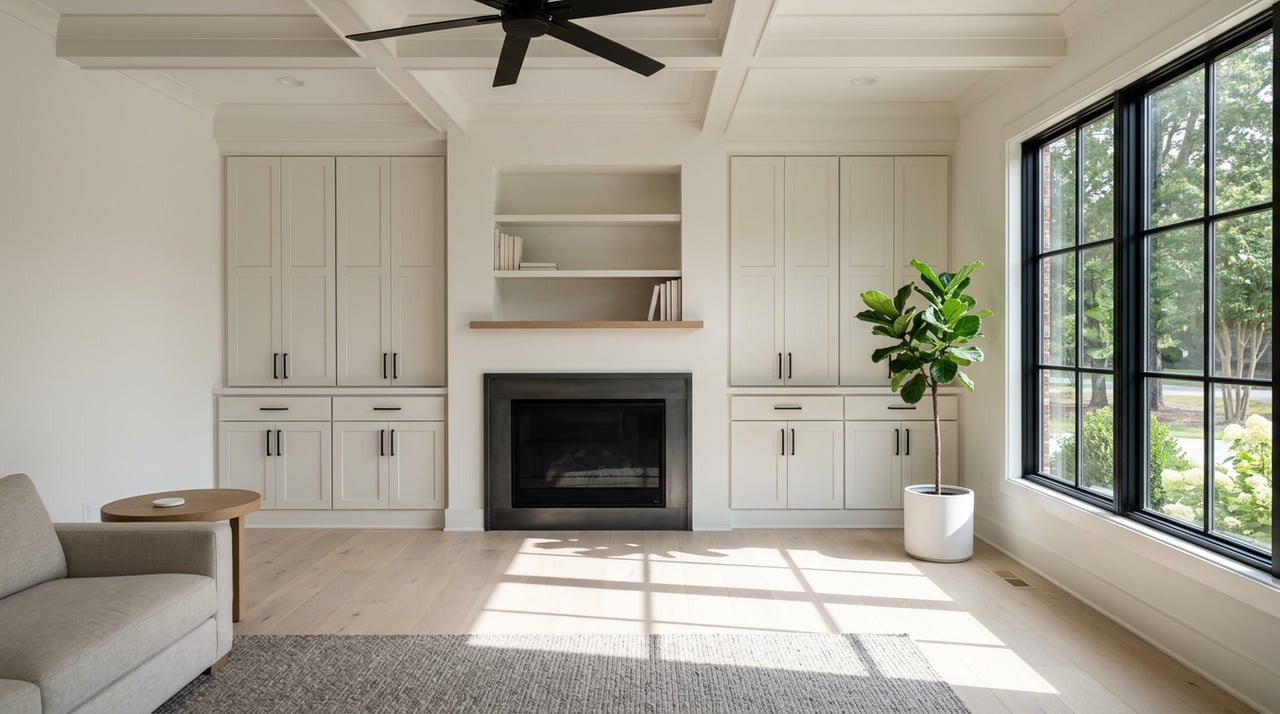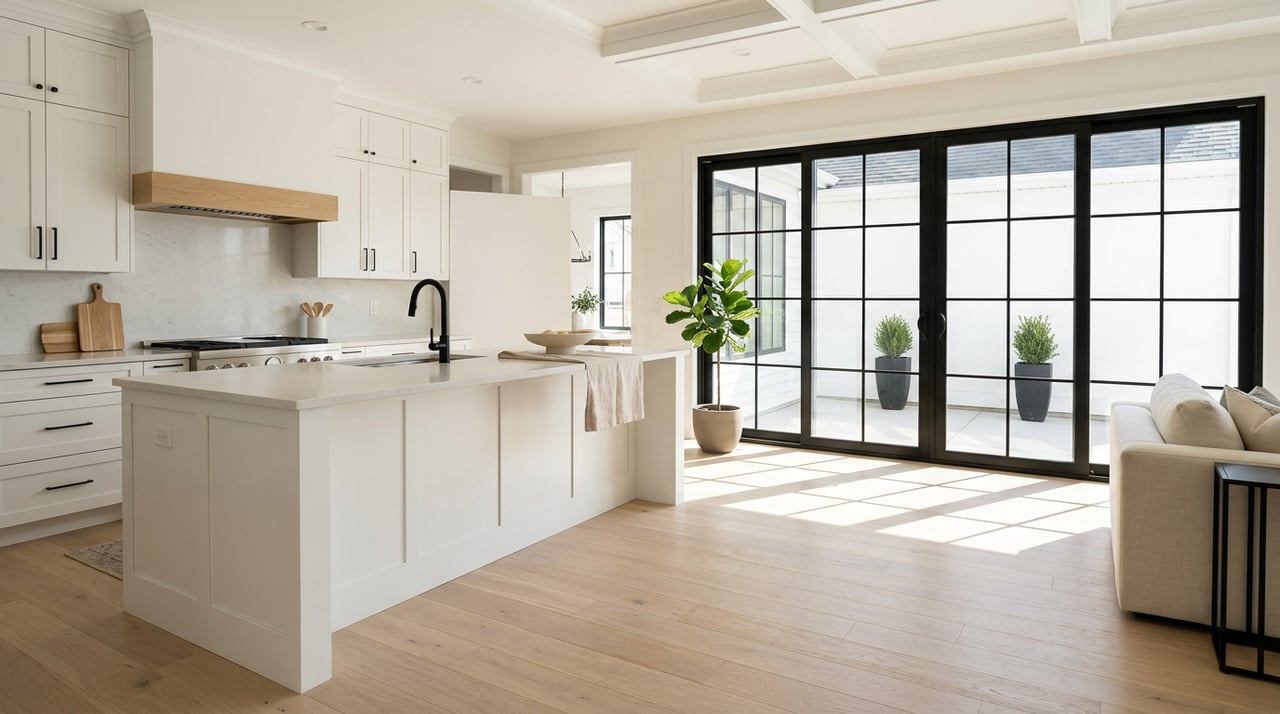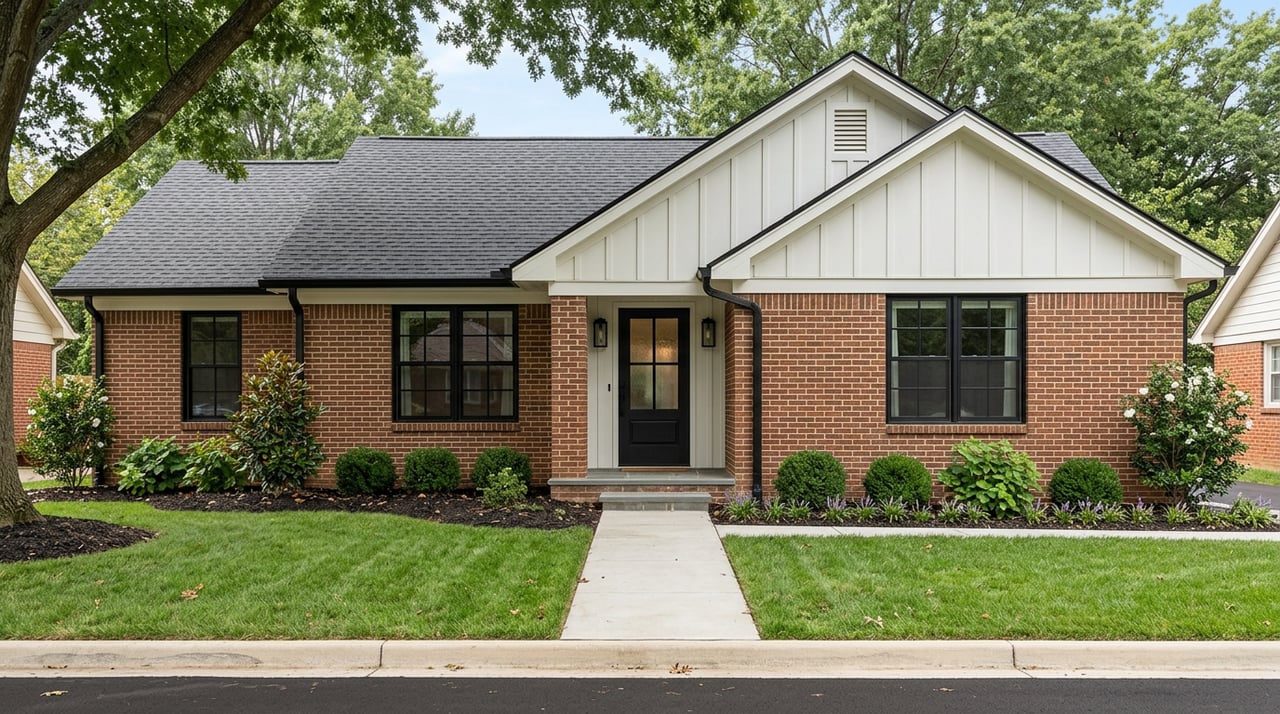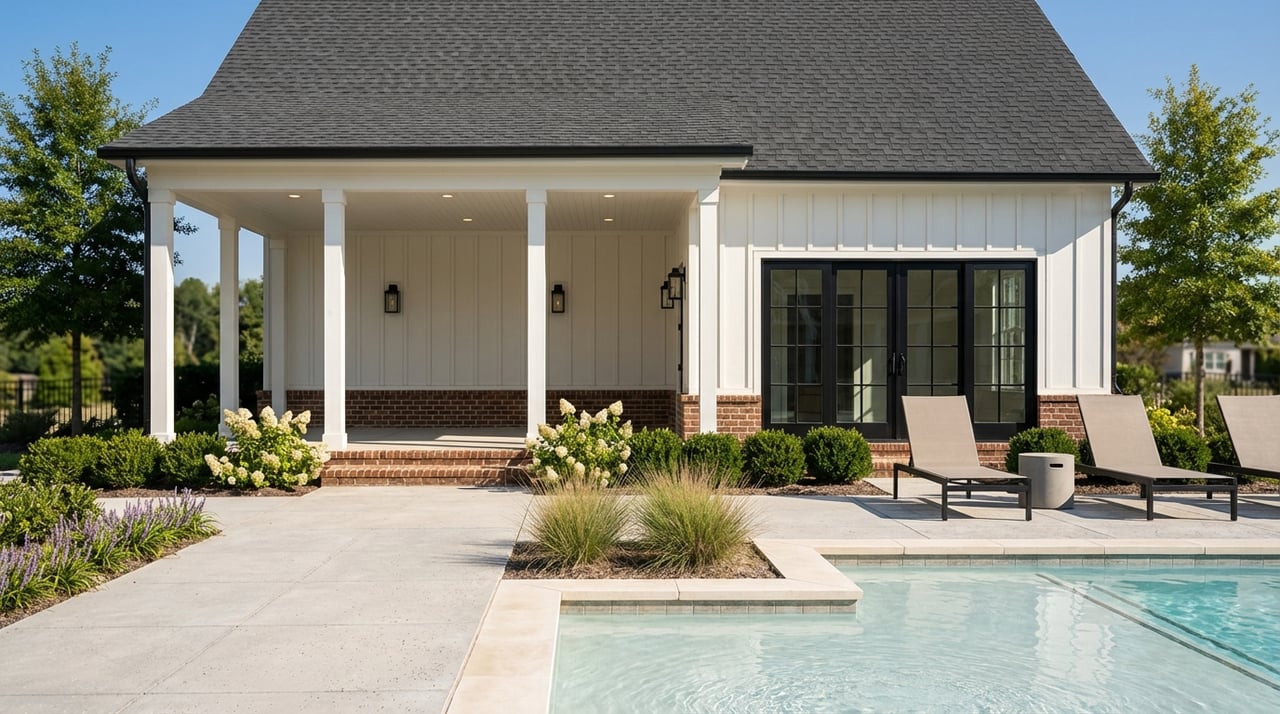
Ready to buy your first home in Rock Hill? The market can feel exciting and overwhelming at the same time, especially when you are trying to balance budget, timing, and the kind of home you actually want to live in. This local playbook will help you understand what first-time buyers are seeing in Rock Hill right now, what financing and assistance options may be available, and how the South Carolina closing process works so you can move forward with more confidence. Let’s dive in.
Rock Hill Market Snapshot
If you are entering the Rock Hill market for the first time, the first thing to know is that it is active, but it is not moving at a breakneck pace. In April 2026, Rock Hill’s year-to-date median sales price was $346,000, with 363 homes for sale, 59 median days on market, and sellers receiving 97.9% of list price on average.
That mix matters for first-time buyers. Homes that are priced well can still sell close to asking, but buyers may have a little more room to evaluate options than they would in a true frenzy market. In practical terms, that means preparation still matters, but you may not need to rush into a home that does not fit your goals.
The City of Rock Hill’s 2025 community profile estimated a median home value of $306,232. Owner-occupied home values are most concentrated in the $300,000 to $399,999 range, with a smaller but meaningful share in the $400,000 to $499,999 and $500,000 to $749,999 ranges.
For many first-time buyers, that points to a realistic search range in the high-$200,000s to mid-$300,000s. If you want a move-in-ready detached home or a larger townhome, you may find more options pushing into the $400,000s.
What First-Time Buyers See in Rock Hill
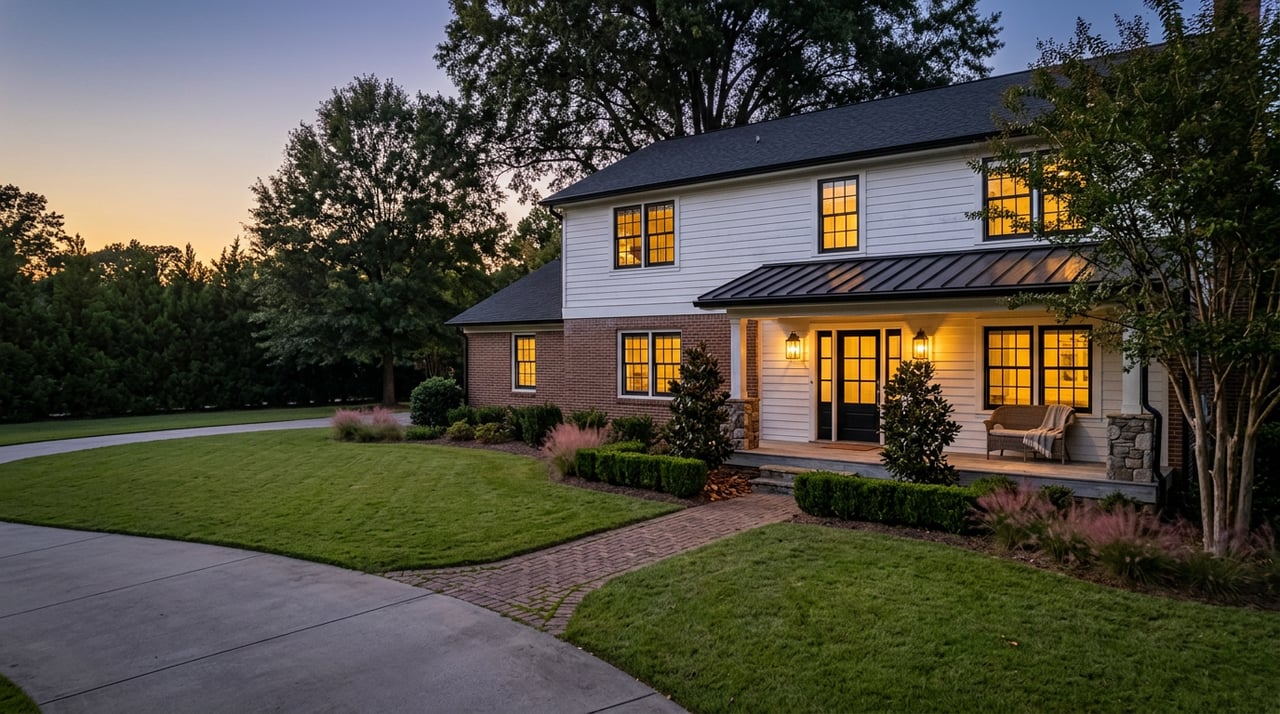
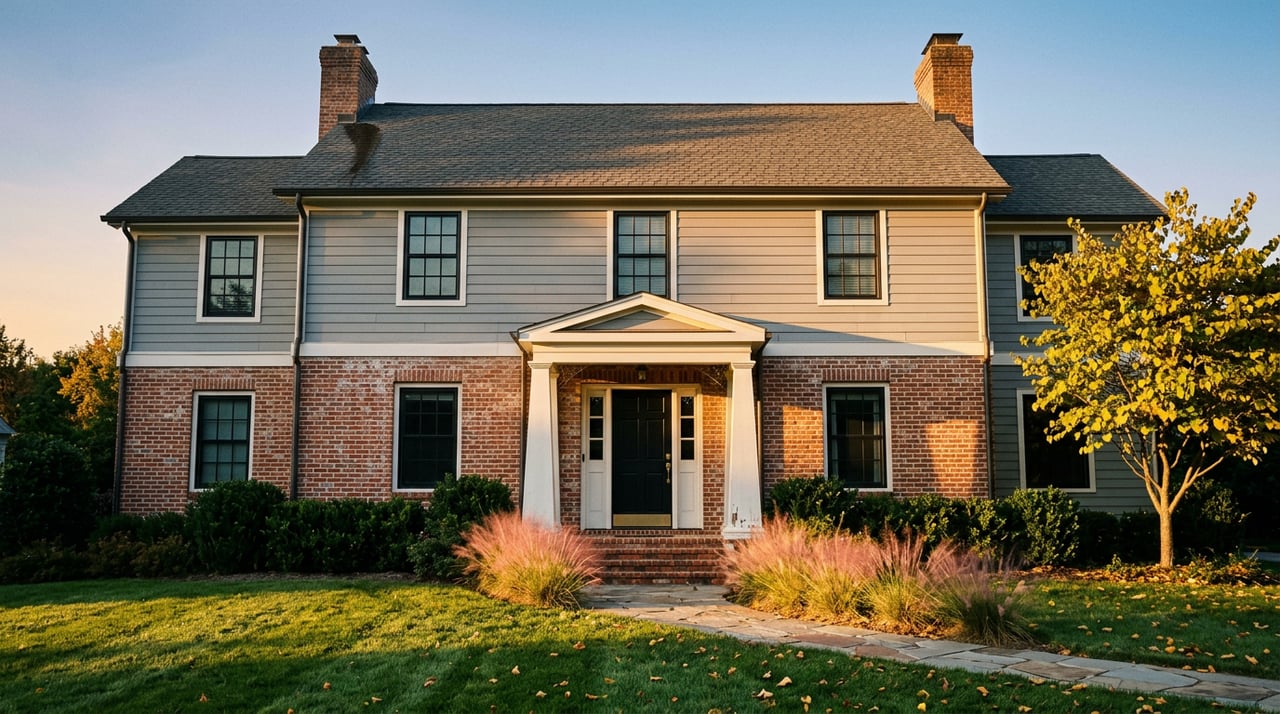
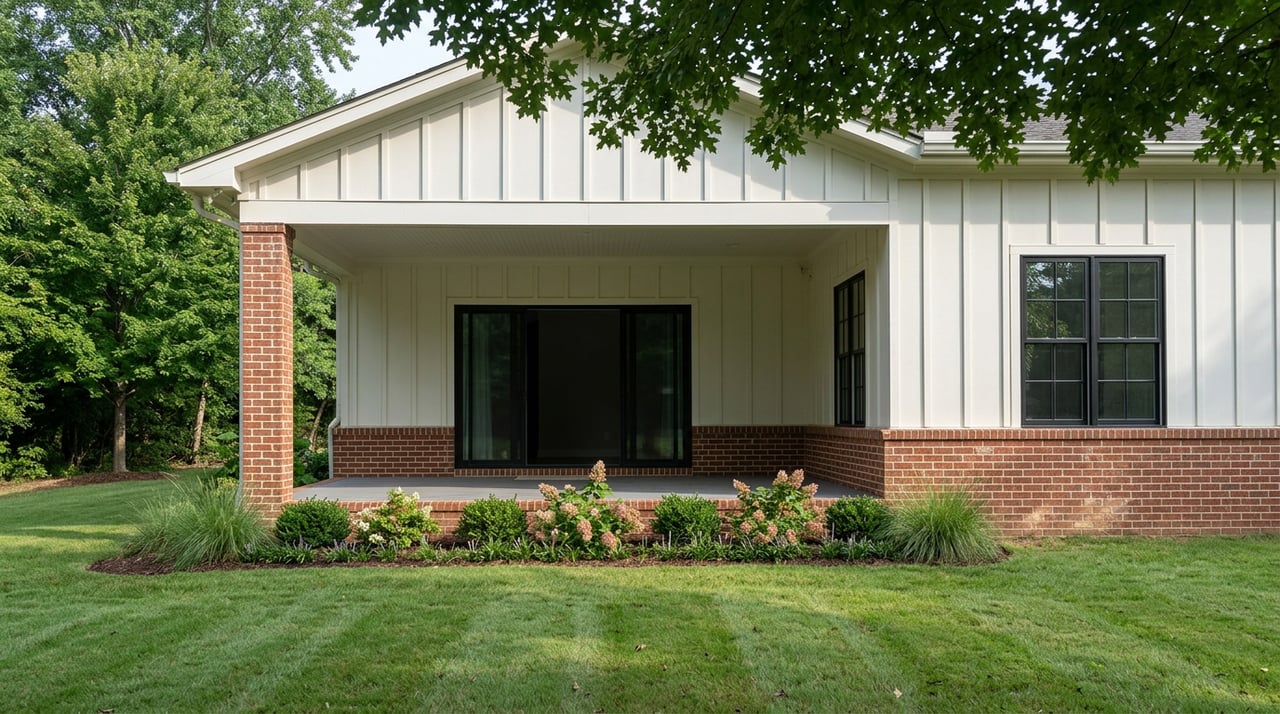
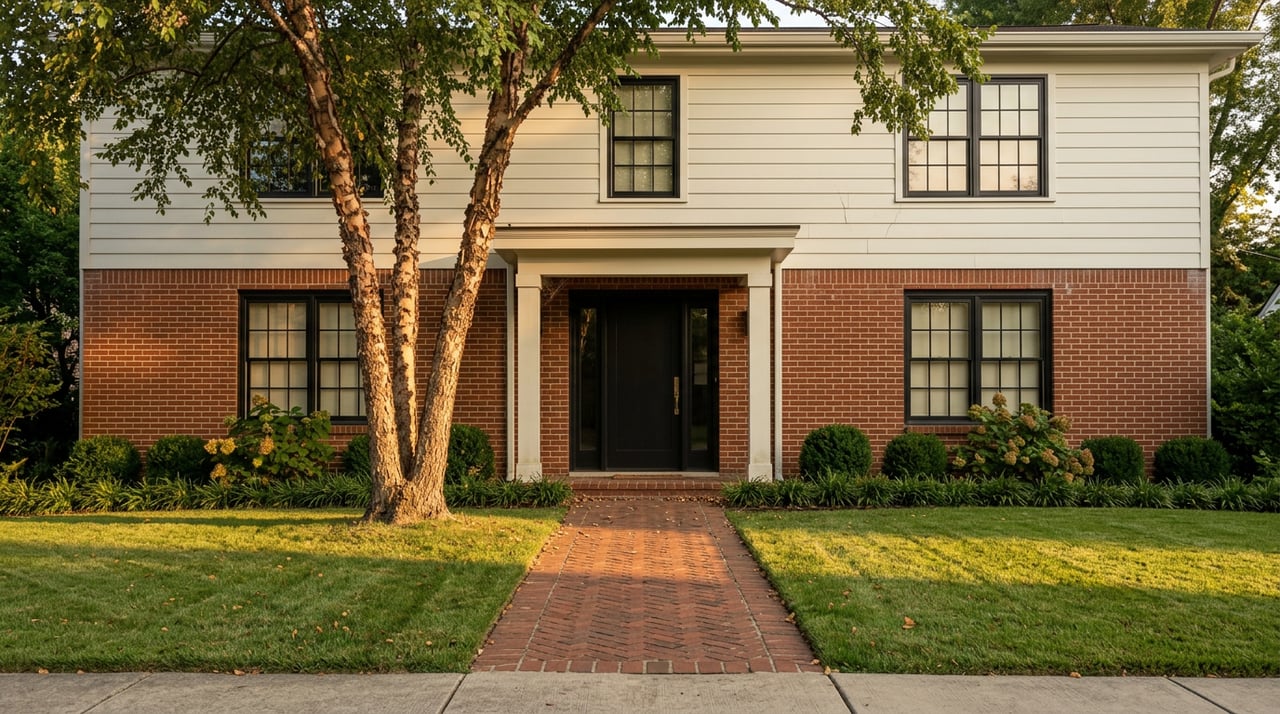
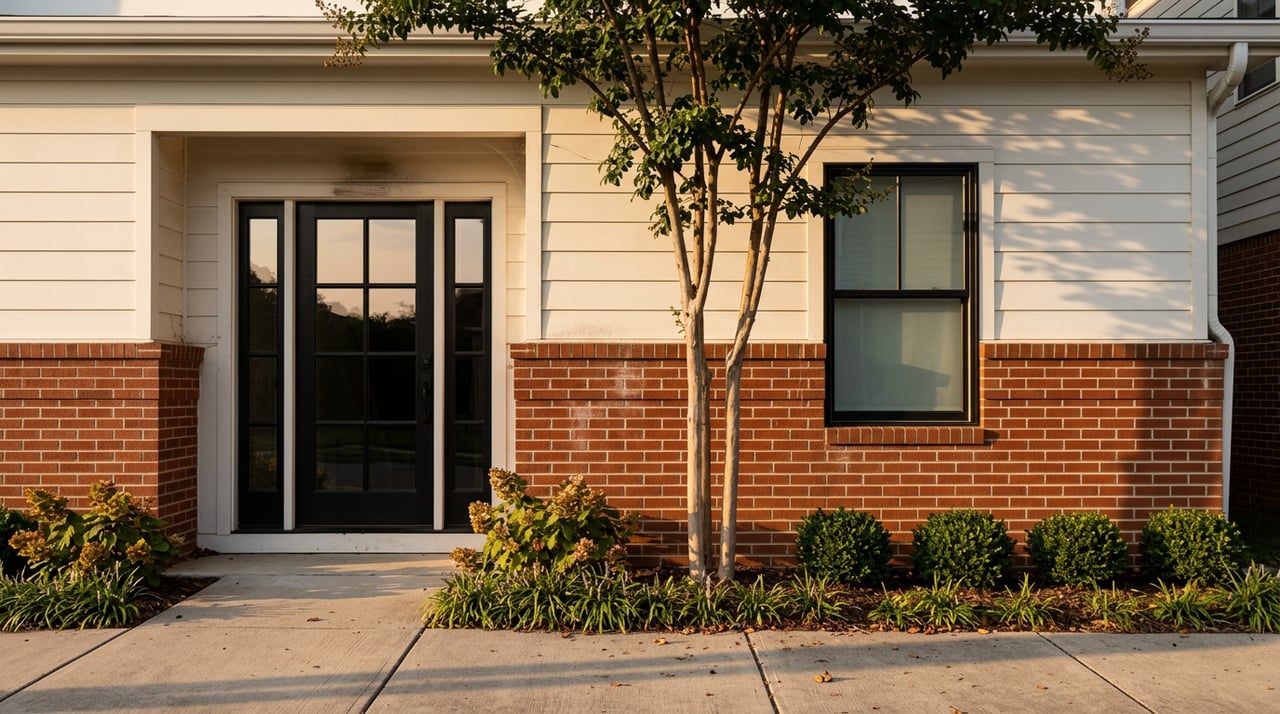
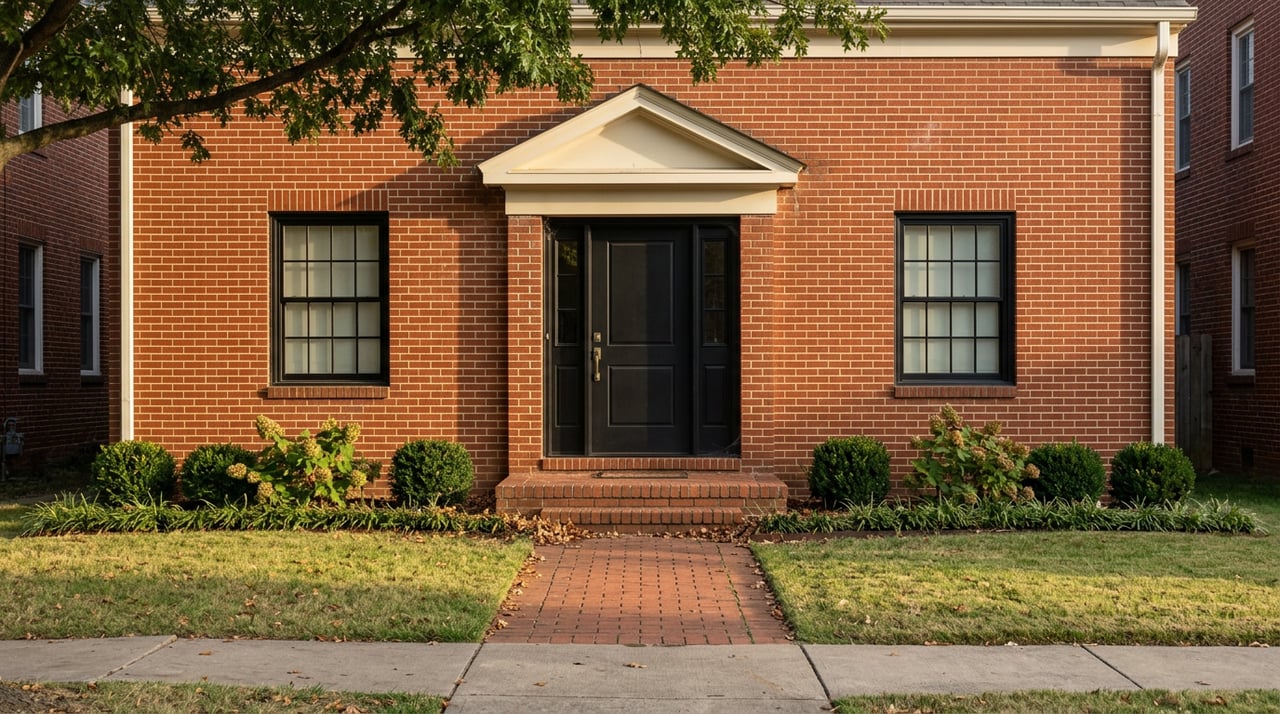
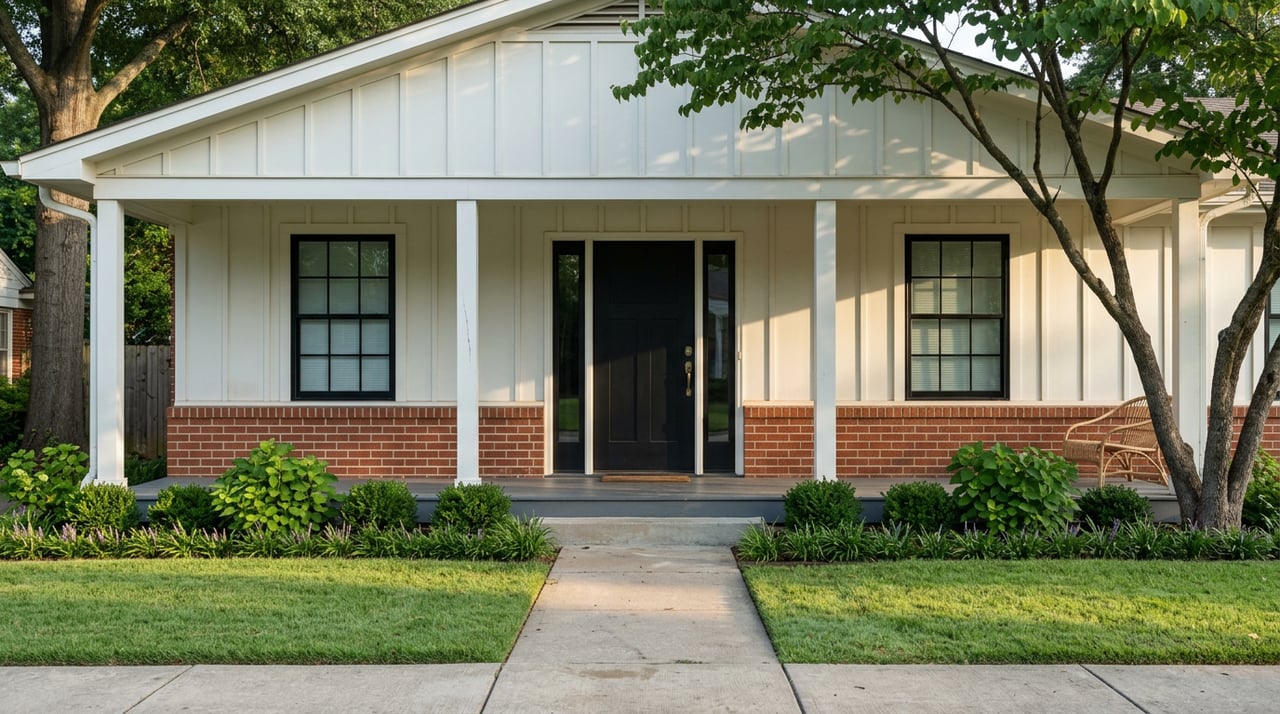
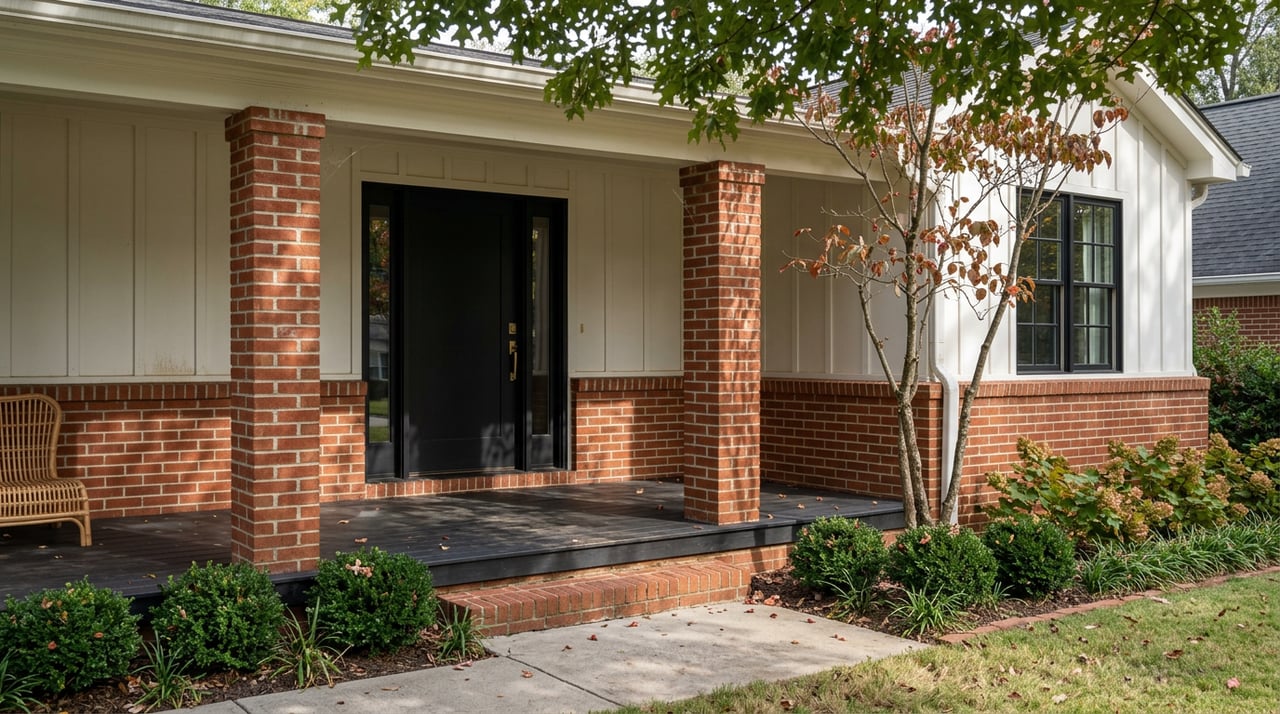
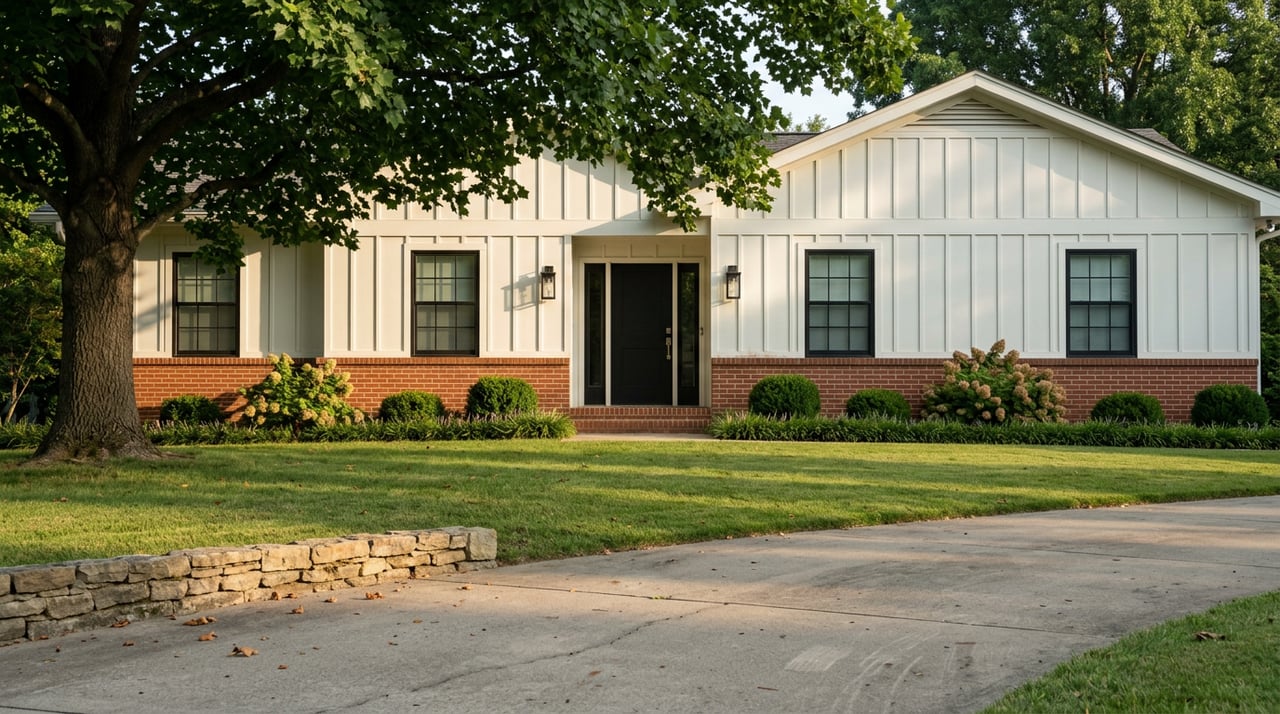
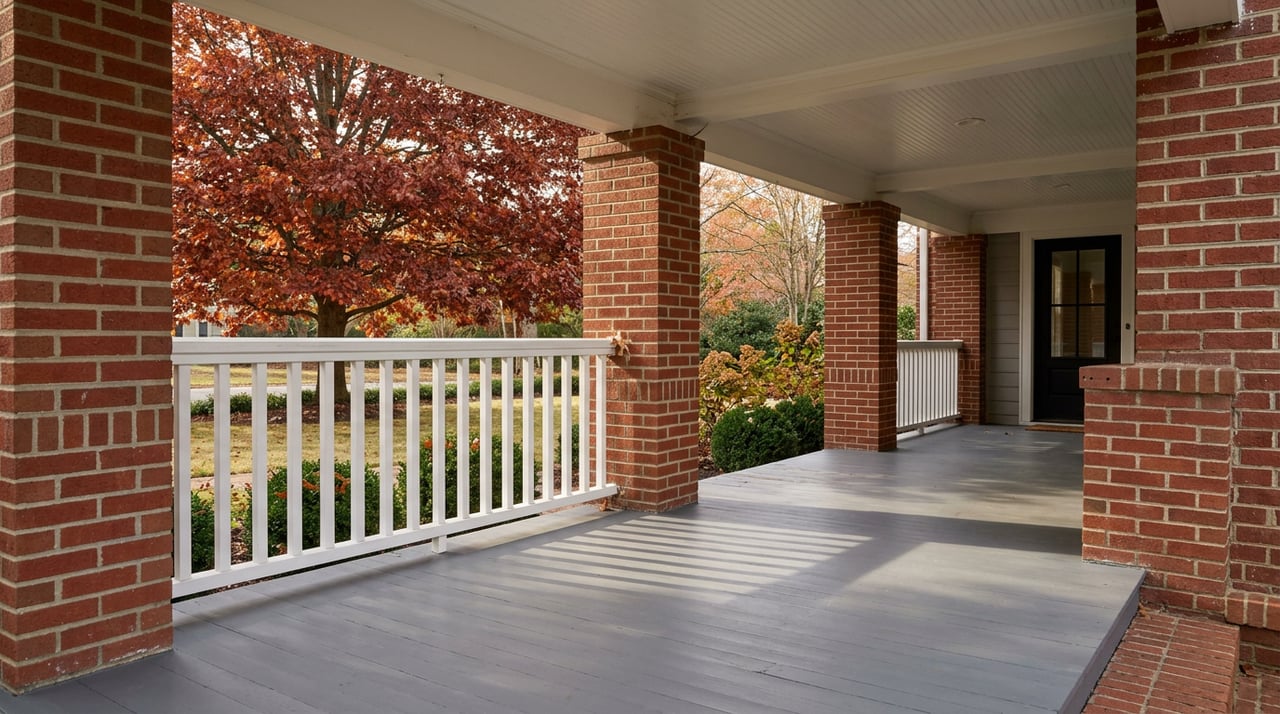
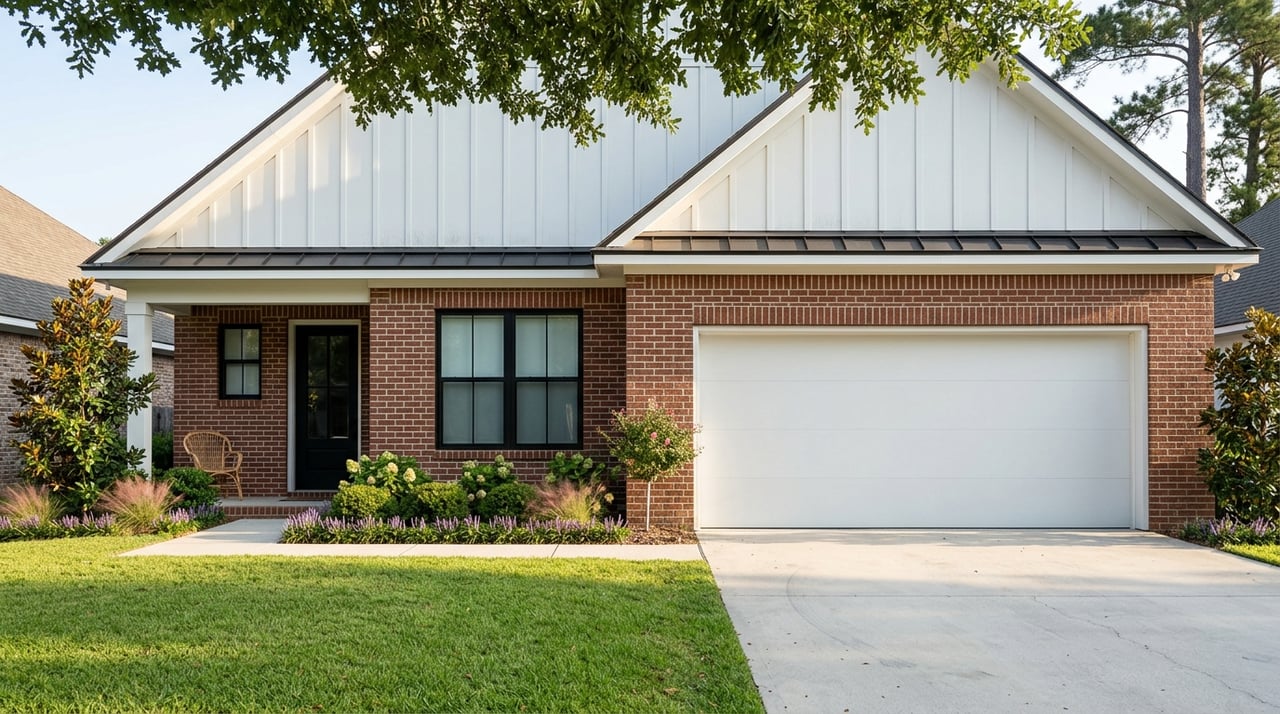
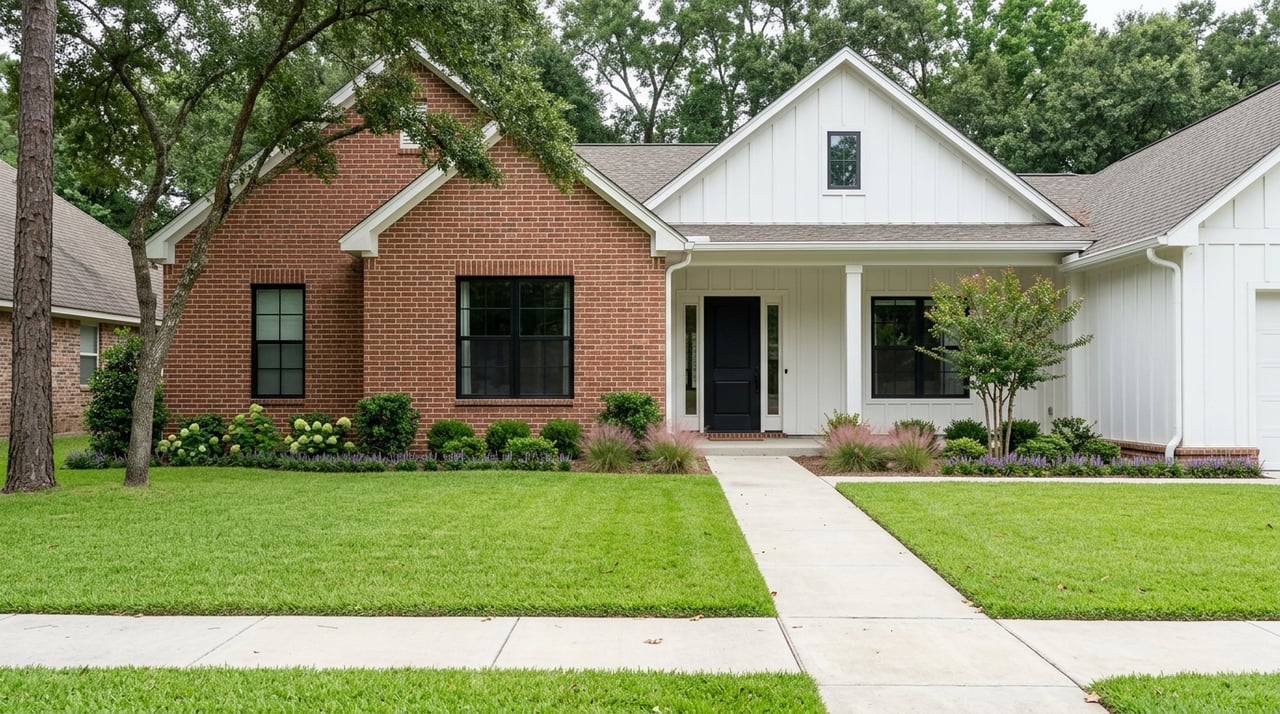
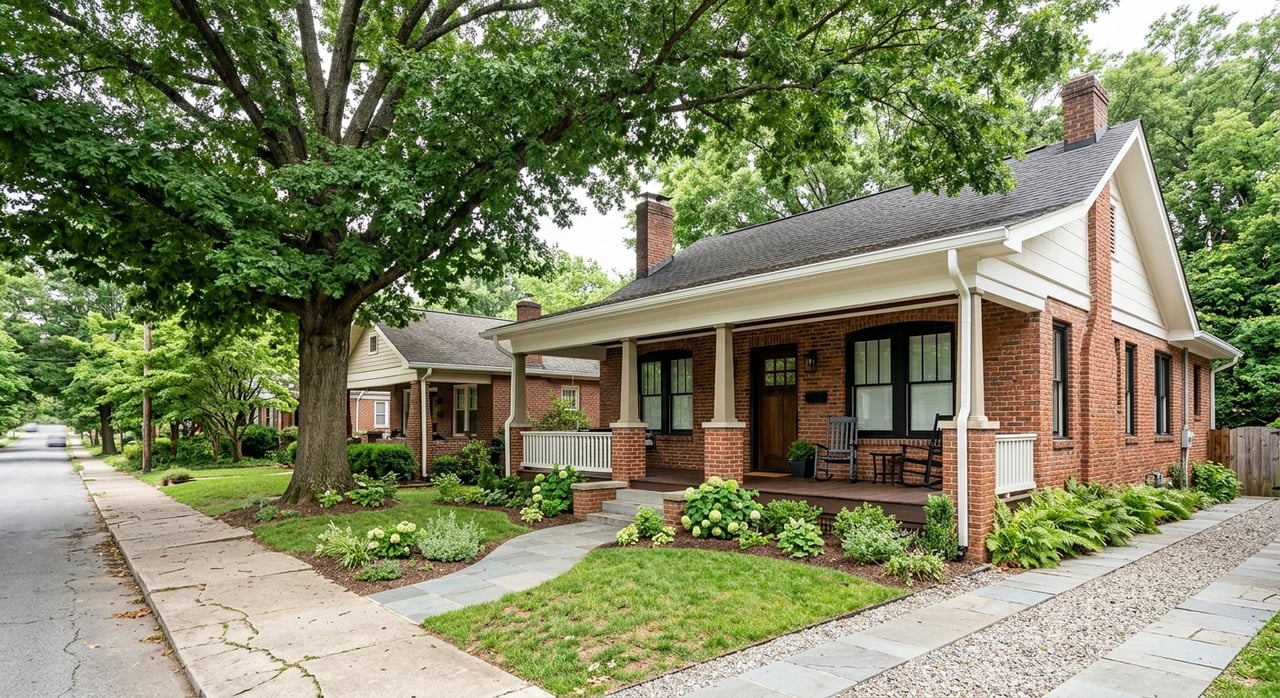
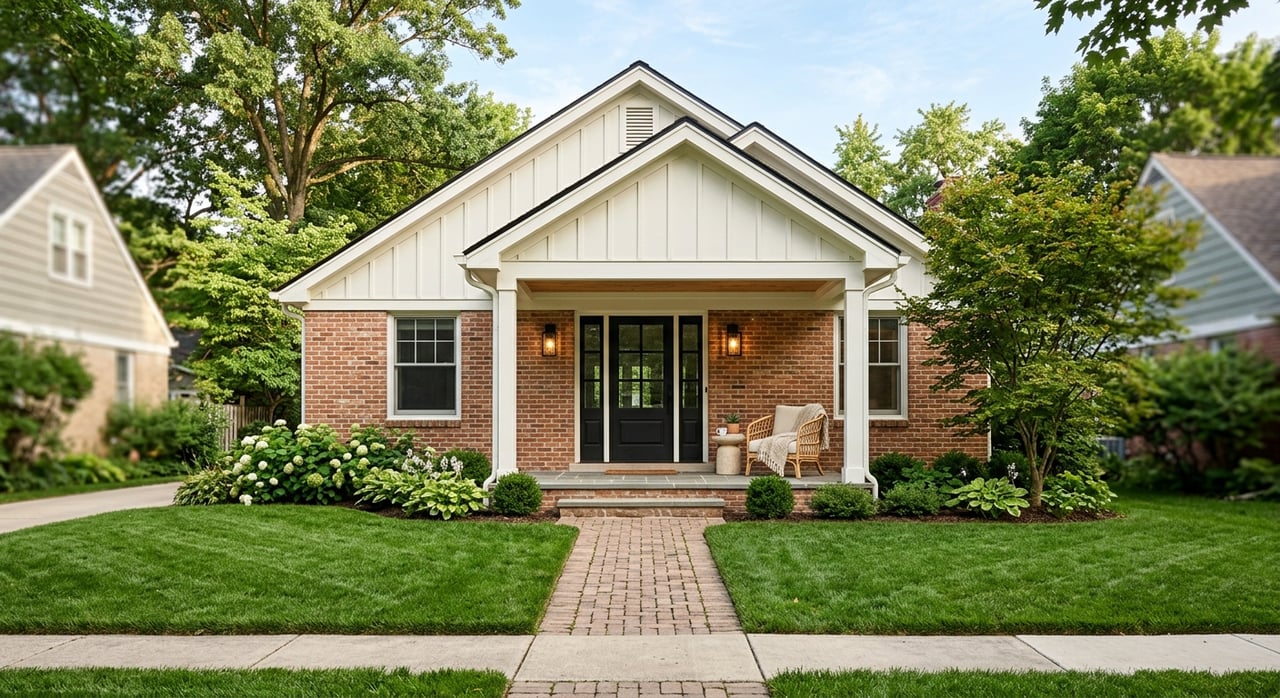
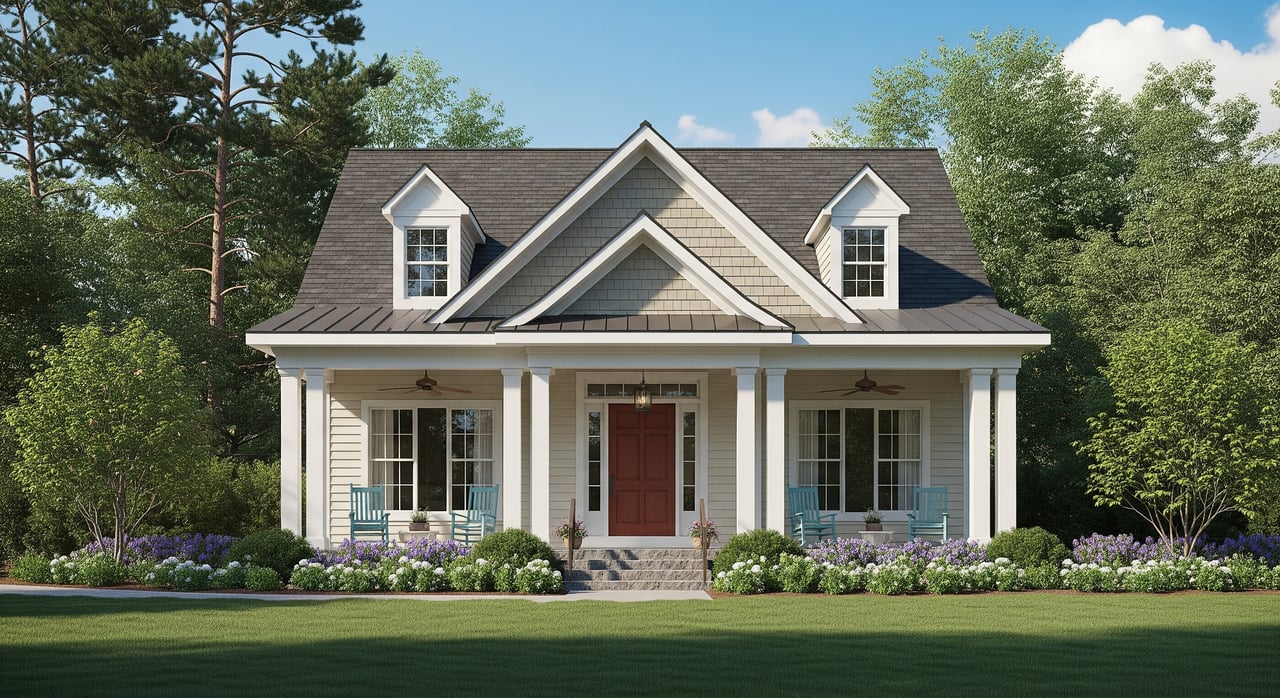
Rock Hill’s housing stock gives you more than one path into homeownership. The city is dominated by 1-unit detached homes, which make up 59% of the housing stock, but you will also see 1-unit attached homes, 2-to-4-unit buildings, and larger multifamily properties.
That variety can be helpful if you are trying to match a home to your monthly payment target. A single-family house may offer more space and privacy, while a townhome or condo may help you stay within budget depending on price, maintenance needs, and location.
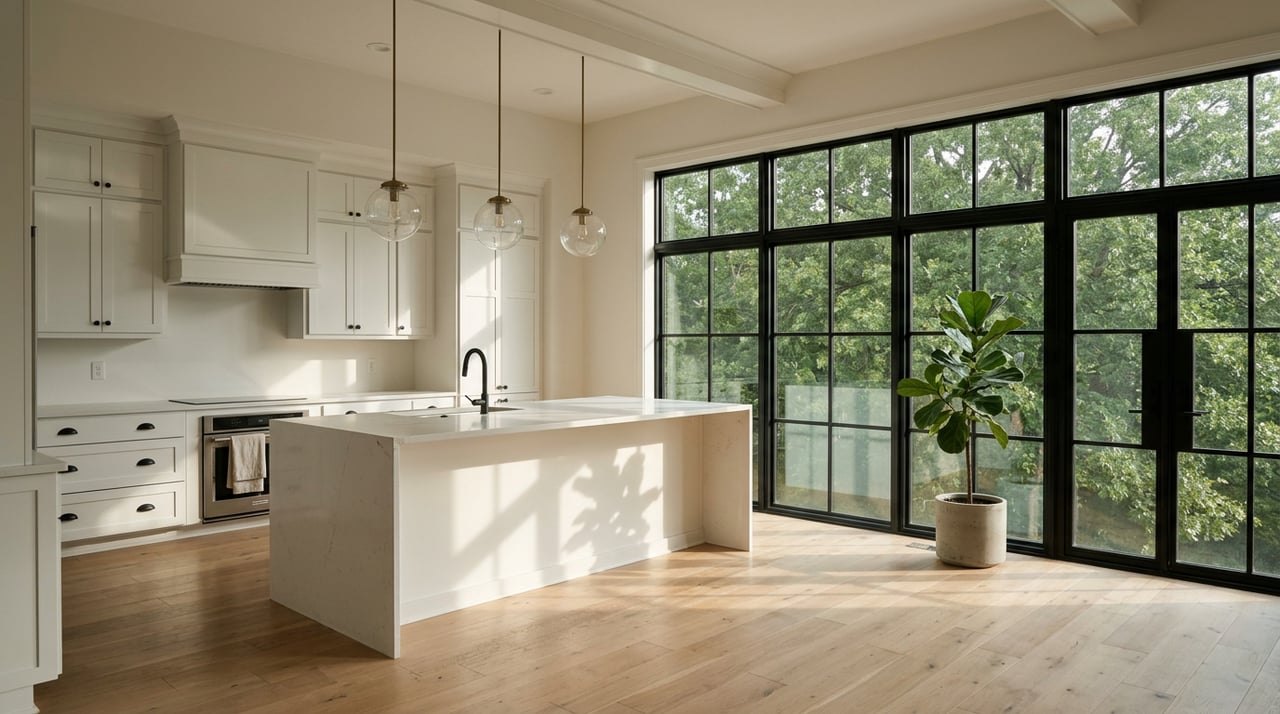
Most owner-occupied homes in Rock Hill are fairly spacious. In fact, 84% have three or more bedrooms, which means even many entry-level buyers may be looking at homes with room to grow, work from home, or host guests.
Older Homes Need a Closer Look
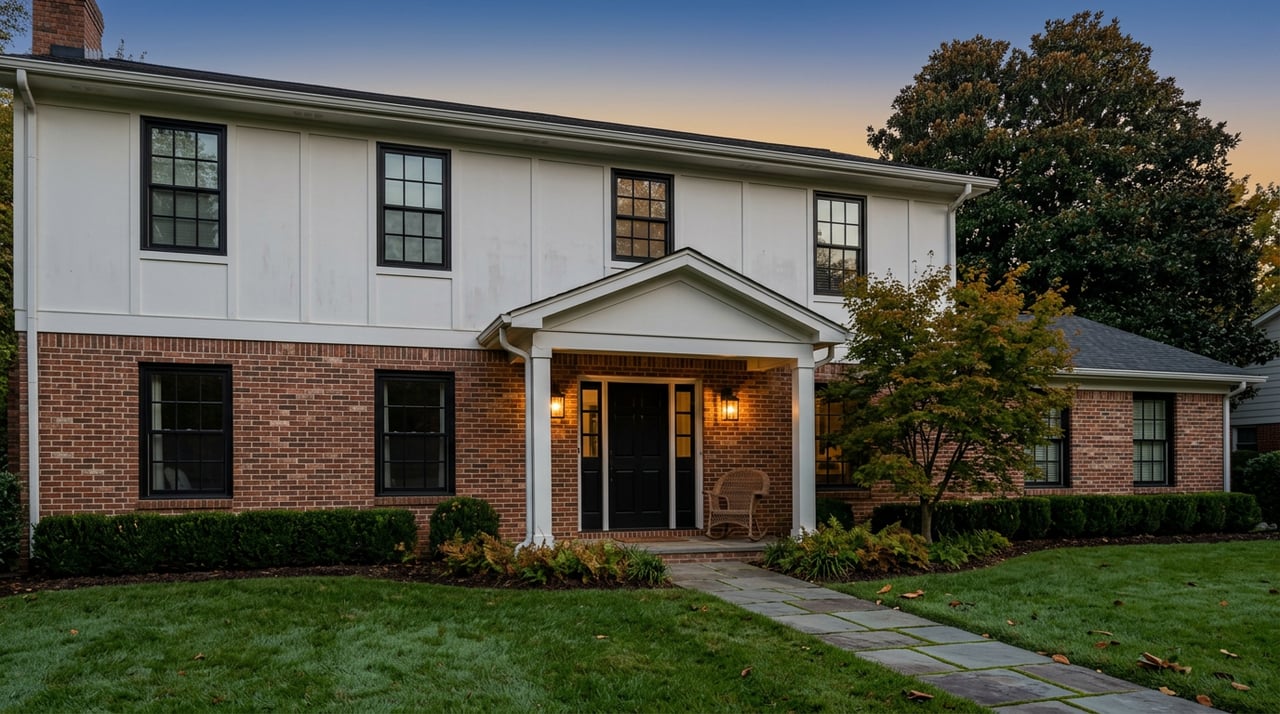
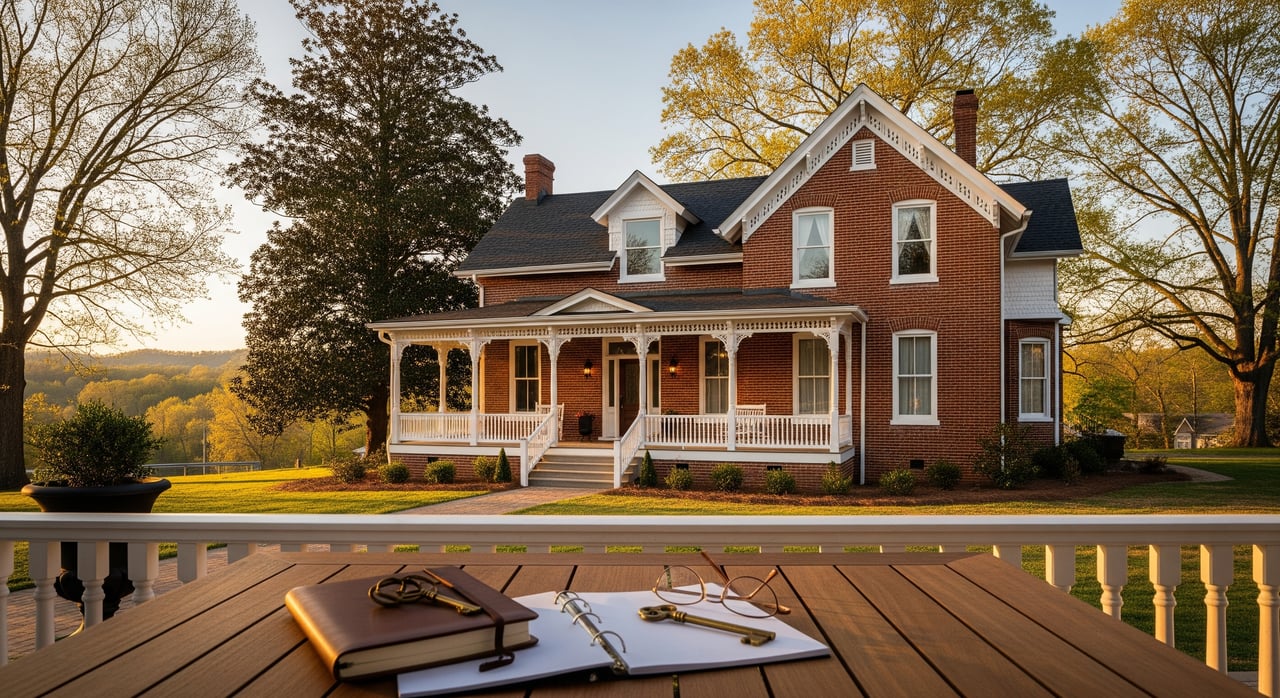
One important local detail is the age of the housing stock. About 35% of owner-occupied units in Rock Hill were built before 1980, so older-home inspections and maintenance planning should be part of your search from day one.
That does not mean older homes are a bad choice. It means you should go in with clear expectations about systems, repairs, and future upkeep. A home with character and a good location can still be a smart buy, but your inspection and repair budget matter.
Which Property Types May Qualify
If you plan to use local first-time buyer help, property type matters. The City of Rock Hill’s first-time homebuyer program allows new or existing homes, condos, townhomes, and modular homes on a permanent foundation, as long as the home is inside Rock Hill city limits and will be used as your primary residence.
That gives first-time buyers a broader range of options than many people expect. If a detached home feels out of reach, a condo or townhome may still fit your plan and may also qualify for local assistance.
First Steps Before You Tour Homes
Before you start visiting properties, set up the financial side first. A practical roadmap for first-time buyers is to prepare to shop, explore loan choices, compare loan offers, and then get ready to close.
In real life, that usually means getting pre-approved early. Pre-approval helps you understand your price range, your likely monthly payment, and how strong your offer may look when you find the right home.
It also helps you shop smarter. Instead of guessing what you can afford, you can focus your search on homes that fit your finances and your long-term comfort level.
South Carolina Financing Options
South Carolina offers several paths that may help first-time buyers in Rock Hill. One of the main programs is the SC Housing Homebuyer Program, which offers fixed-rate mortgage options with or without down payment assistance through participating lenders.
For York County, the current SC Housing Bond program treats the area as a non-targeted county. That means buyers generally must not have had an ownership interest in another property during the three years before loan closing, unless they qualify for a veteran waiver.
The same program includes $10,000 in down payment assistance, structured as a 15-year forgivable zero-percent second mortgage. For many first-time buyers, that can make a meaningful difference in the upfront cash needed to buy.
Another option is Palmetto Home Advantage. This statewide program is open to first-time, move-up, and repeat buyers and can be paired with conventional, FHA, VA, or USDA financing. It has no first-time-buyer requirement, no sales price limits, and a statewide income limit of $137,500.
Rock Hill Local Assistance
Rock Hill also has a local option through the Housing Development Corporation of Rock Hill. The program offers homebuyer education, one-on-one counseling, and up to $5,000 in down payment and closing cost assistance.
To use this program, you must meet the first-time buyer definition, complete the required class, buy inside Rock Hill city limits, and use the home as your primary residence. Funding is offered on a first-come, first-served basis, which makes early planning especially important.
Classes are available online and in person. That flexibility can make it easier to complete the education requirement while you are also working through pre-approval and home shopping.
What “First-Time Buyer” Really Means
Many buyers assume first-time means you have never owned any property at all. In these local and state programs, it usually means you have not owned a principal residence in the last three years.
That distinction matters. If you owned a home in the past but sold it a few years ago, you may still qualify. The same may be true if you only owned investment property and not a primary residence, depending on program rules.
Why Homebuyer Education Matters
Homebuyer education is not just a box to check. In many assistance programs, it is required. SC Housing requires at least one borrower to complete an approved homebuyer education course, and Rock Hill HDC requires its class before assistance can be used.
For first-time buyers, that education can be genuinely useful. It helps you understand budgeting, loan terms, closing costs, and what to expect once you own the home.
Earnest Money in South Carolina
Once you are ready to make an offer, earnest money becomes part of the conversation. In South Carolina, earnest money is defined as a good-faith payment, and client funds must be handled through trust accounts.
The amount is usually negotiable. A common range is around 1% to 2% of the purchase price, with 2% to 3% sometimes seen in more competitive markets.
What matters most is not just the amount, but the contract terms around it. Your purchase contract should clearly state when earnest money is refundable and how contingencies such as financing, appraisal, and inspection protect you.
South Carolina Closings Work Differently
One of the biggest differences for buyers relocating from other states is the closing process. In South Carolina, each phase of a real estate transaction, including title work, closing, and recording, must be supervised by a licensed South Carolina attorney.
That means your closing attorney is an active part of the transaction process. They are not simply showing up at the end to witness signatures.
For first-time buyers, this structure can actually bring clarity. You will have a defined legal professional involved in key parts of the closing process, which is important as deadlines, title work, and final documents come together.
Review Closing Costs Carefully
As closing gets closer, pay close attention to your paperwork. Your Closing Disclosure is the final form that shows your loan terms and closing costs, and it should be compared against your earlier Loan Estimate.
This step helps you spot changes, ask questions, and avoid surprises at the closing table. Even if your down payment plan is solid, you still need to budget for closing costs and prepaid items.
Property Taxes and Primary Residence Status
If the Rock Hill home will be your primary residence, property tax treatment matters. In South Carolina, owner-occupied real property is assessed at the 4% rate, and legal residence means your current primary home.
To apply for that status, buyers should contact the county assessor’s office for the 4% legal residence form. This is especially important if you are moving from another state or changing from a rental or second-home situation.
A home you live in as your primary residence is treated differently from a second home or rental property. That makes this one of the key move-in tasks to handle after closing.
A Simple First-Time Buyer Plan
If you want to keep the process manageable, break it into a few clear steps:
- Get pre-approved early.
- Review state and local assistance options.
- Complete any required homebuyer education.
- Set a realistic target payment, not just a max price.
- Compare detached homes with townhomes or condos.
- Budget for inspections, closing costs, and prepaid items.
- Review earnest money and contingency terms carefully.
- Prepare for a South Carolina attorney-supervised closing.
- Apply for the 4% legal residence status after purchase if the home will be your primary residence.
The Right Strategy for Rock Hill
Buying your first Rock Hill home is not about finding a perfect deal in a perfect market. It is about understanding the local numbers, knowing which programs may help, and making decisions that fit your budget and your life.
With median pricing in the mid-$300,000s, a mix of detached homes and attached options, and real assistance available through state and local programs, Rock Hill can offer a workable path into homeownership for prepared buyers. The key is starting early, staying organized, and having the right local guidance from the beginning.
If you are thinking about buying in Rock Hill or making a move across the North Carolina and South Carolina line, Jeremy Ordan can help you build a smart plan and navigate the process with confidence.
FAQs
What is the median home price in Rock Hill for first-time buyers?
- Rock Hill’s year-to-date median sales price in April 2026 was $346,000, and many first-time buyers may focus on the high-$200,000s to mid-$300,000s depending on home type and condition.
What types of homes can first-time buyers purchase in Rock Hill?
- First-time buyers in Rock Hill may find detached homes, townhomes, condos, and other housing types, and the local assistance program allows new or existing homes, condos, townhomes, and modular homes on a permanent foundation within city limits.
What first-time homebuyer assistance is available in Rock Hill, SC?
- Eligible buyers may explore the SC Housing Homebuyer Program, Palmetto Home Advantage, and the Housing Development Corporation of Rock Hill program, which offers education, counseling, and up to $5,000 in assistance.
What does first-time homebuyer mean in Rock Hill programs?
- In local and state programs, first-time buyer usually means you have not had an ownership interest in a principal residence during the previous three years, rather than never having owned any property.
How does closing on a home in South Carolina work?
- In South Carolina, title work, closing, and recording must be supervised by a licensed South Carolina attorney, so the closing attorney plays a central role in the transaction.
How much earnest money do buyers usually put down in South Carolina?
- Earnest money is negotiable, but it is often around 1% to 2% of the purchase price, with higher ranges sometimes seen in more competitive situations.
How do property taxes work for a primary residence in South Carolina?
- Owner-occupied real property that is your primary residence may qualify for the 4% assessment rate, and buyers should contact the county assessor’s office to apply for legal residence status.