You want to sell your Weddington home and buy your next one without feeling rushed or risking two mortgages. It is a big move, and timing matters more in higher price bands. In this guide, you will learn how today’s Weddington market behaves, the North Carolina rules that shape timing and risk, and practical ways to line up your sale and purchase. Let’s dive in.
Weddington market at a glance
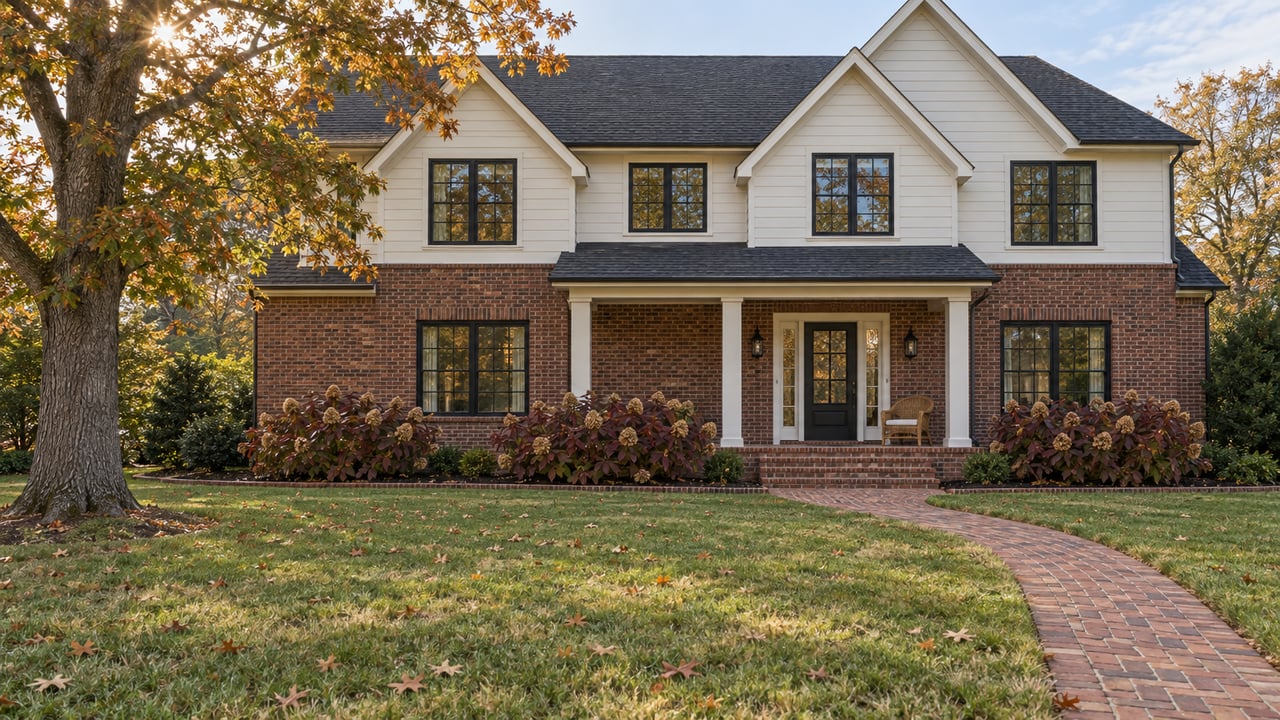
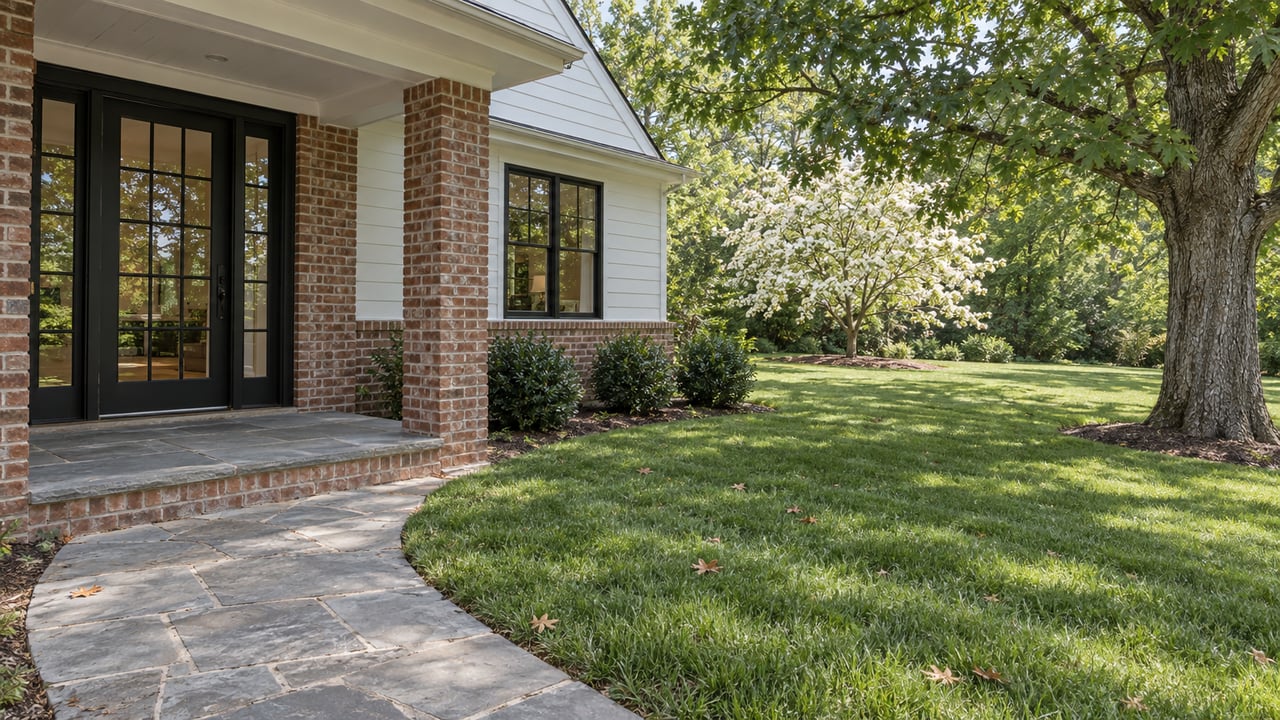
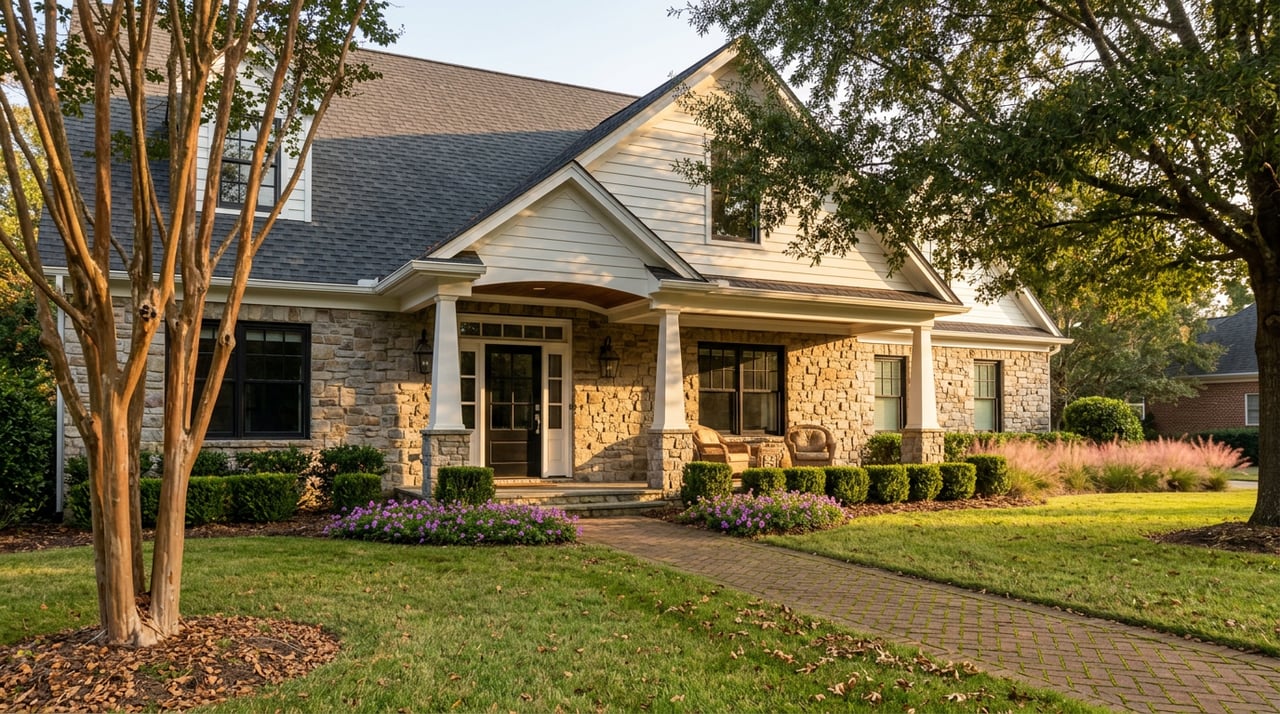
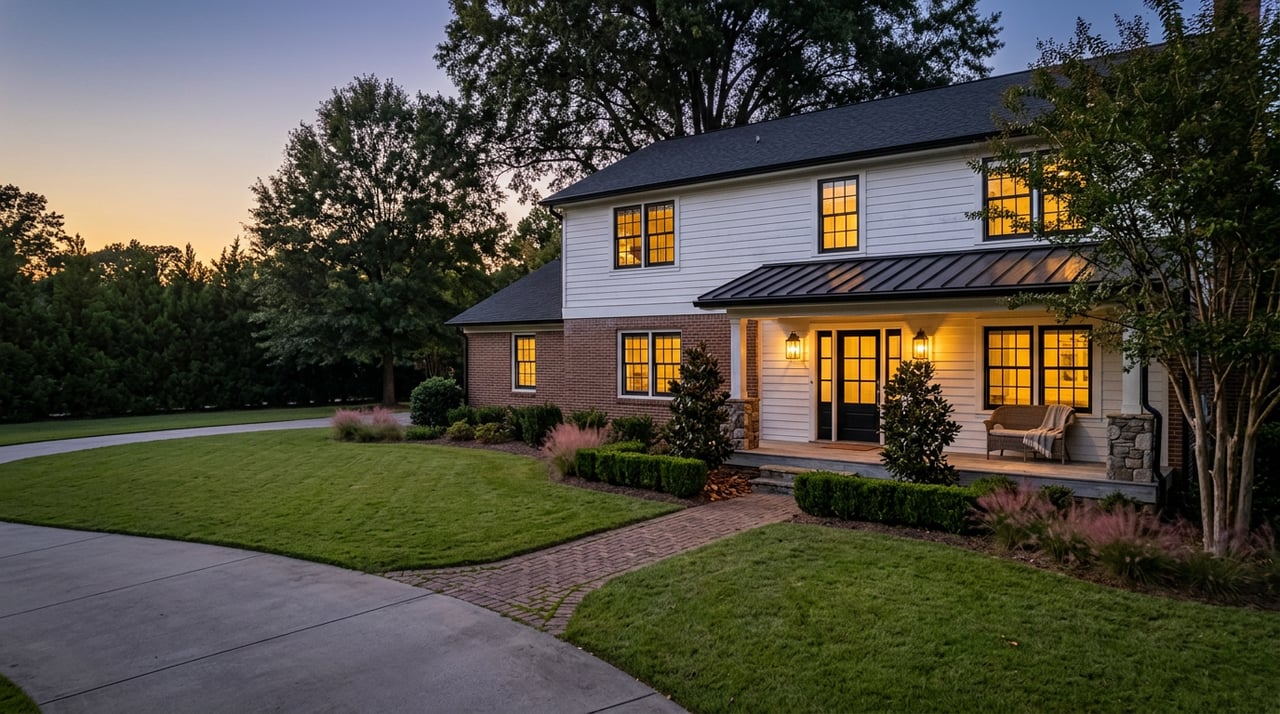
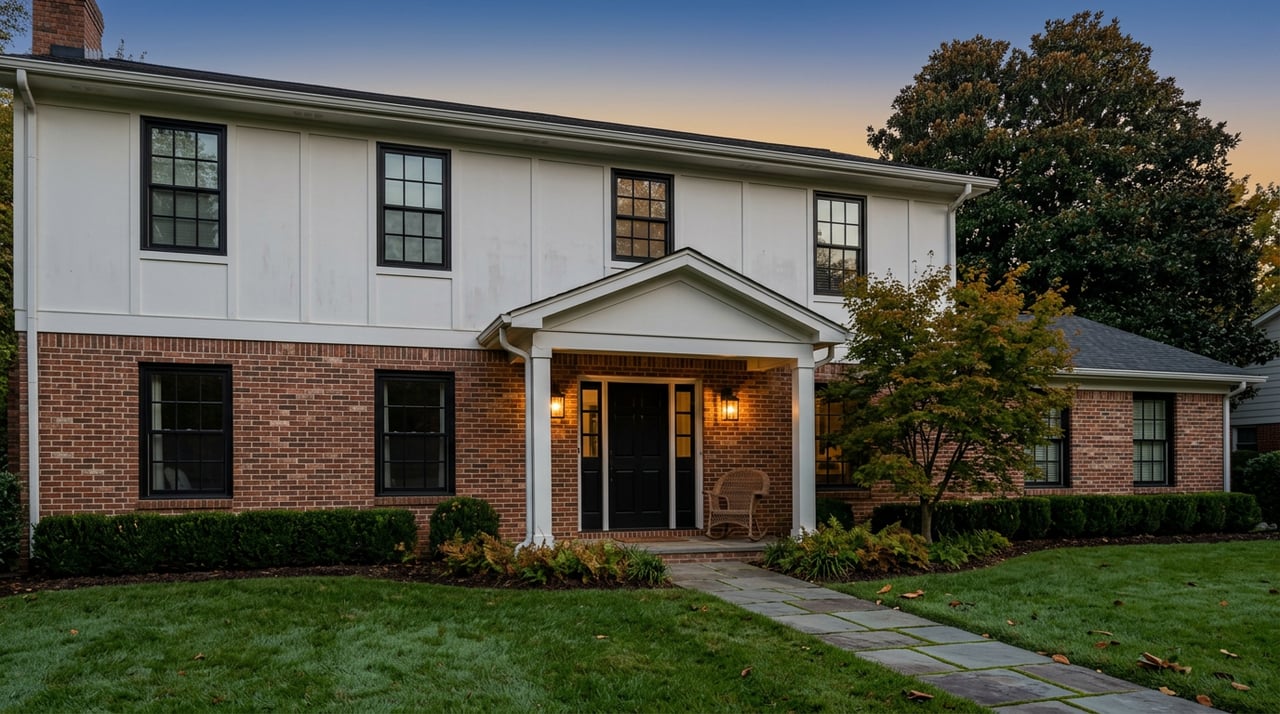
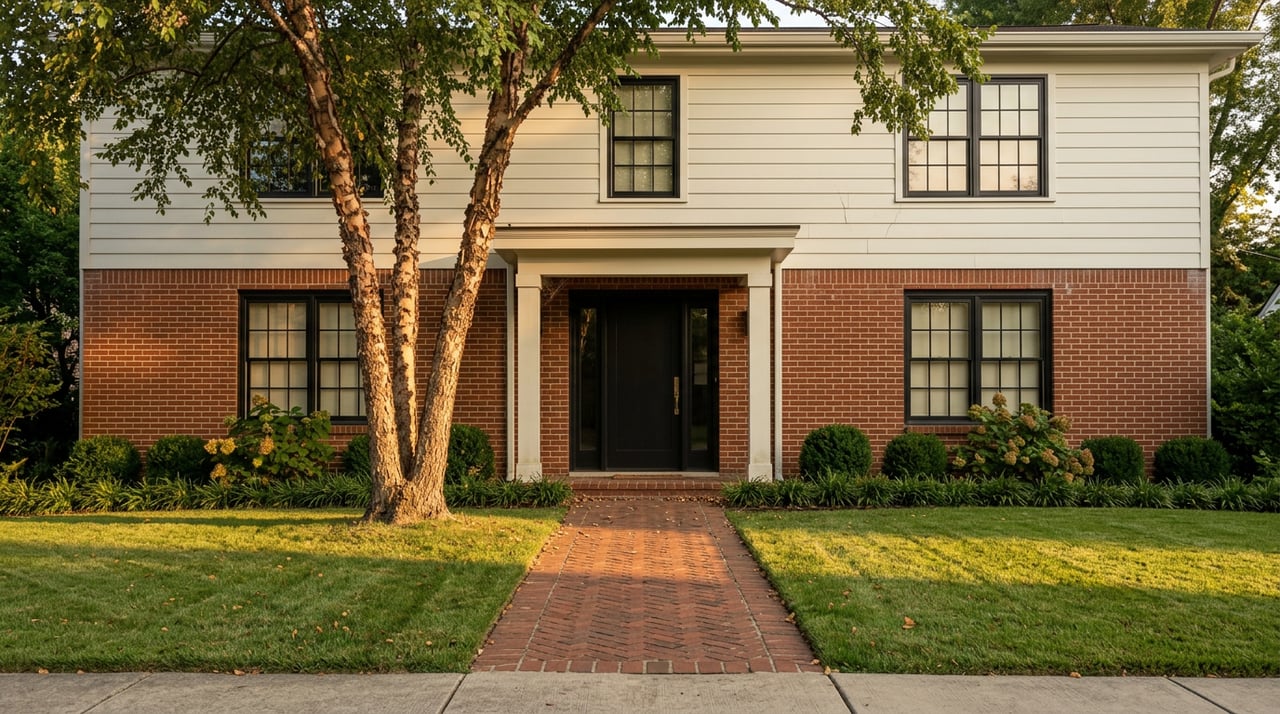
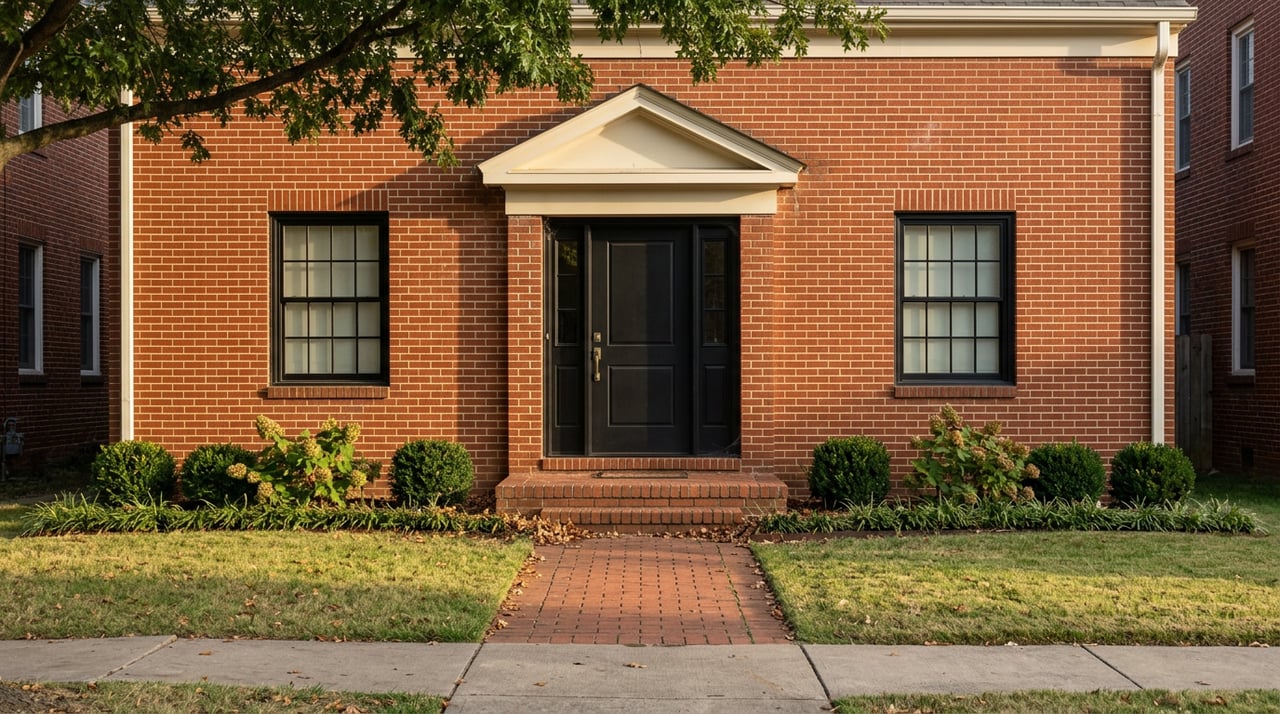
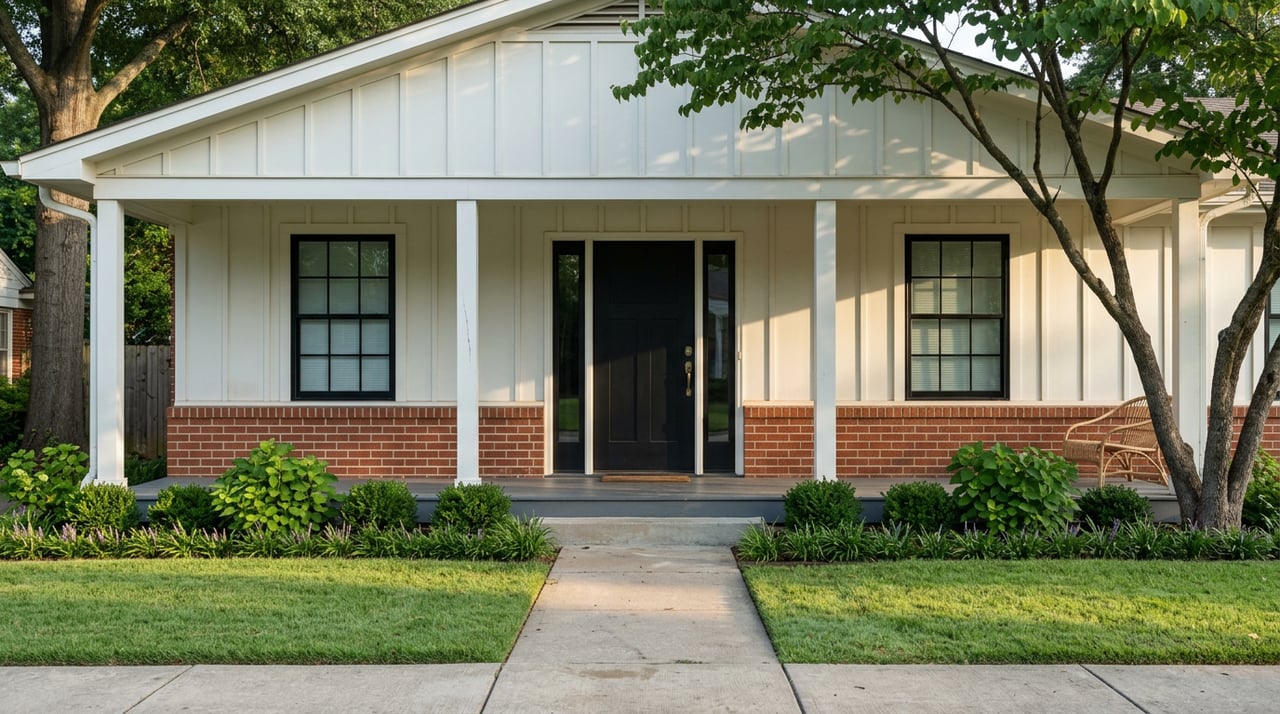
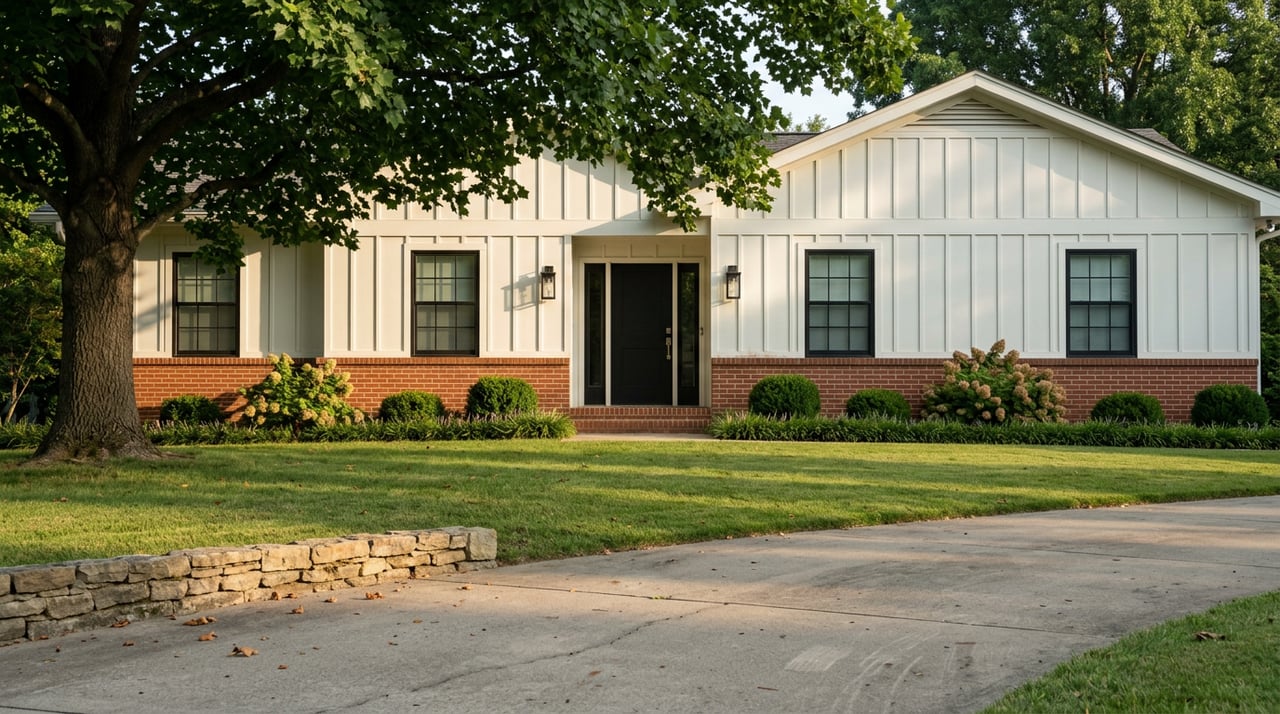
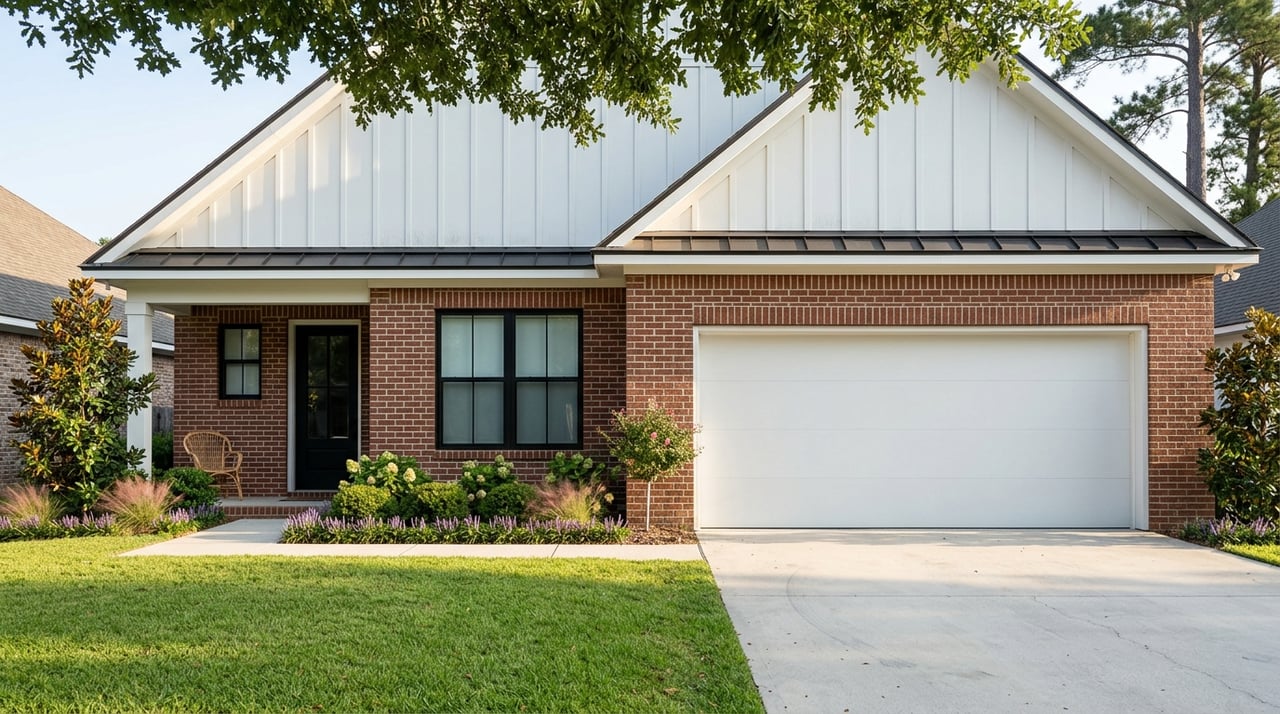
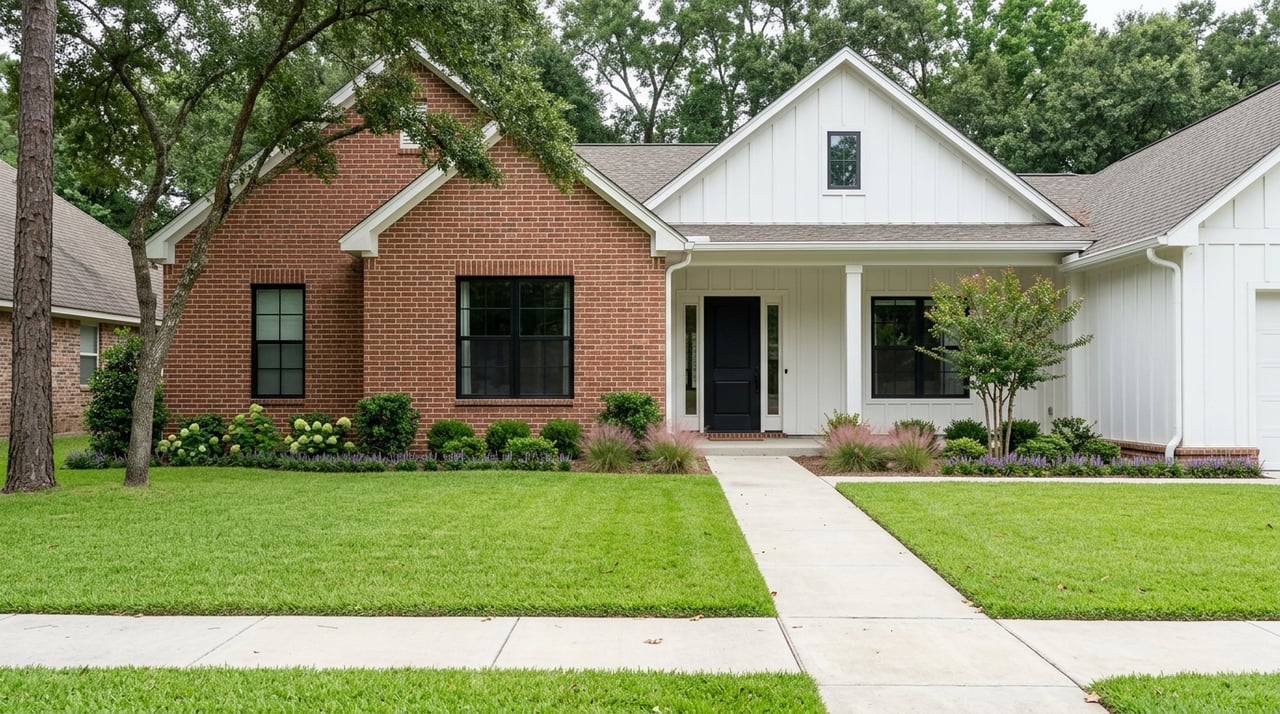
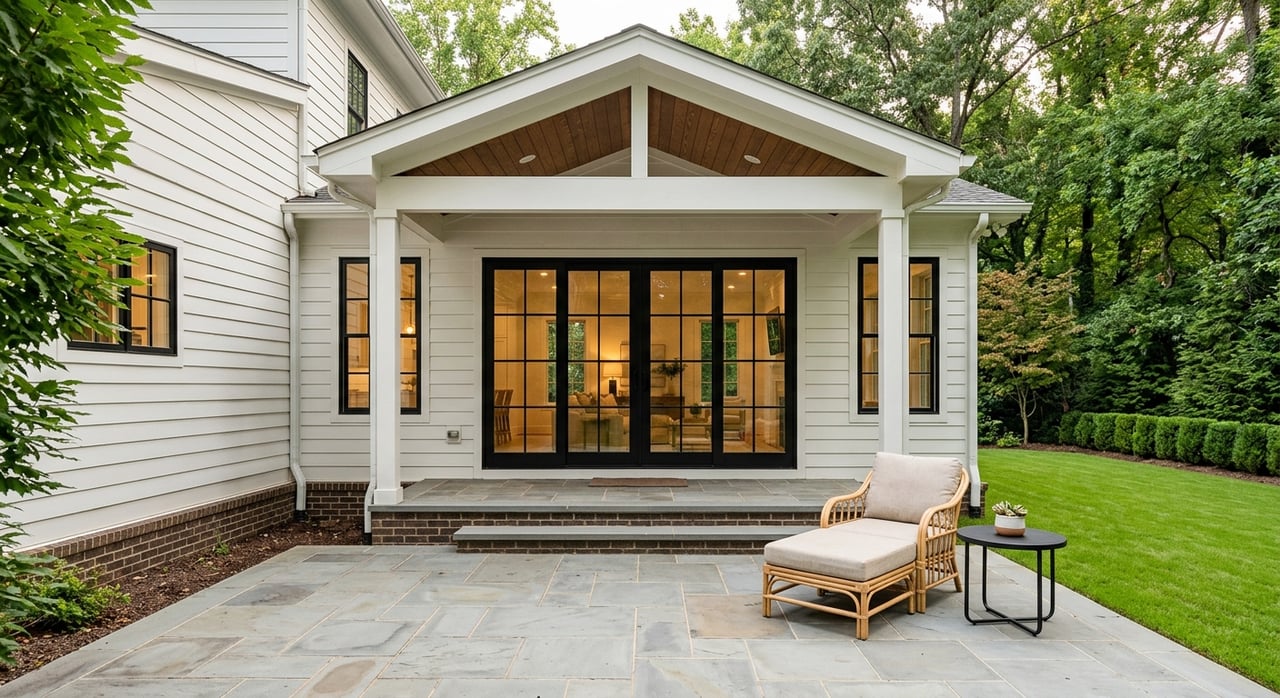
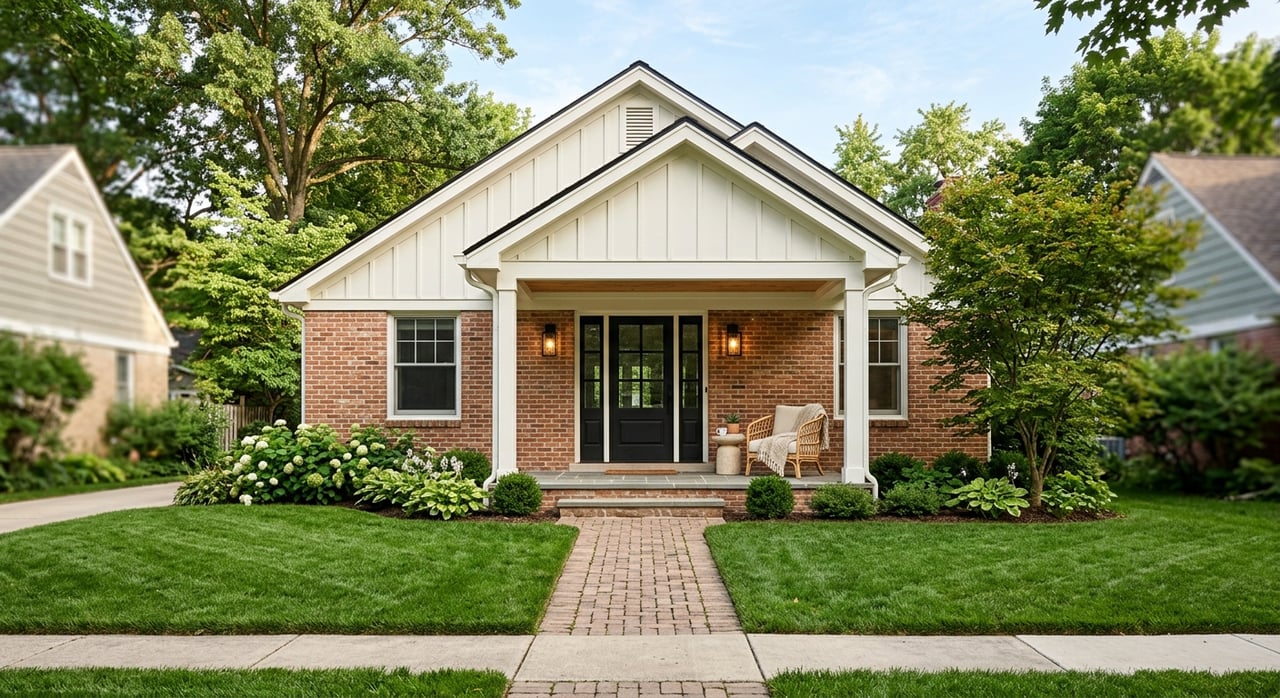
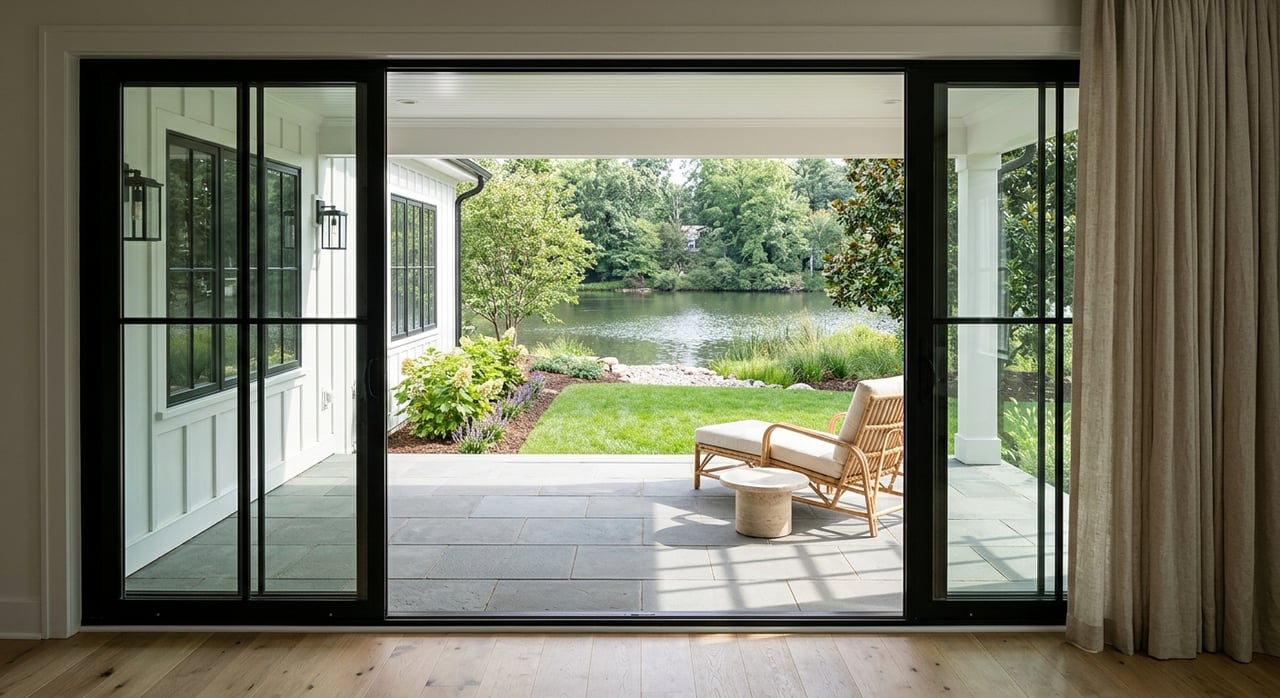
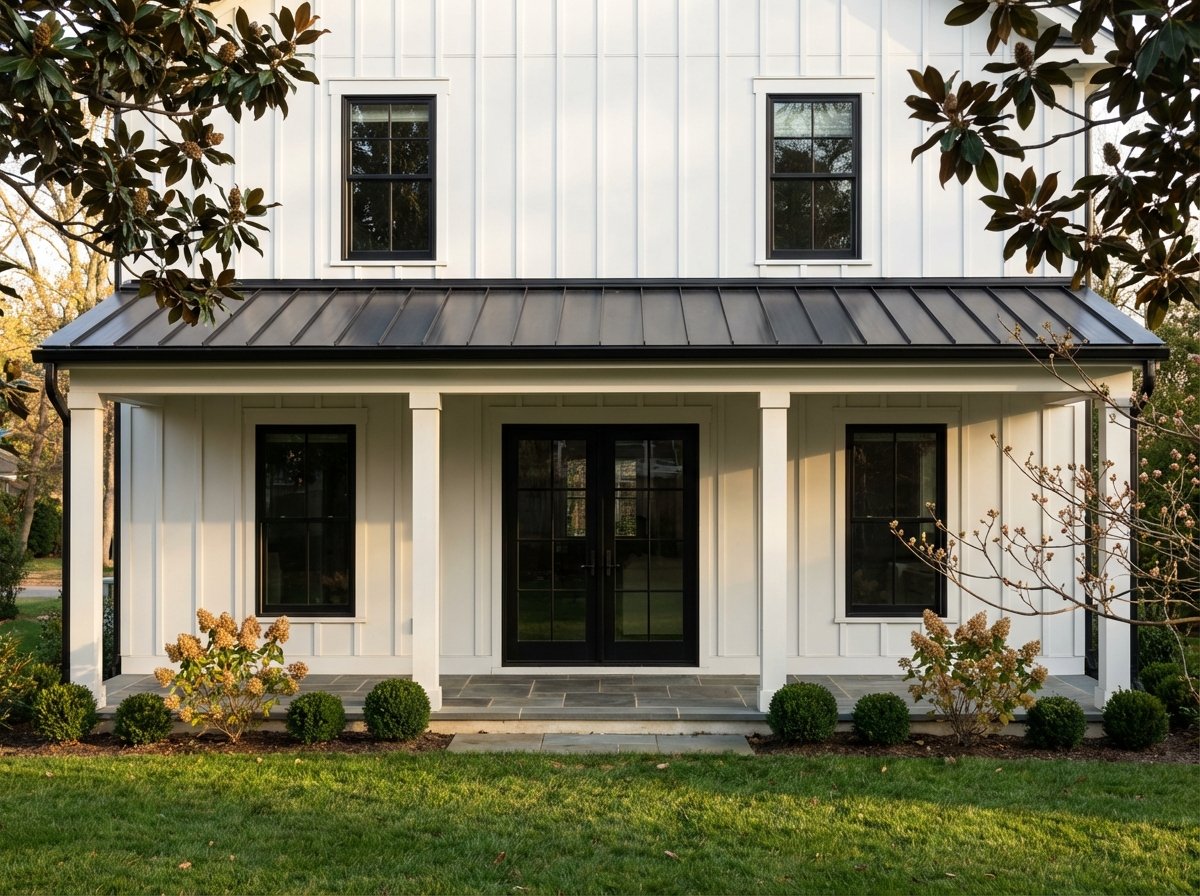
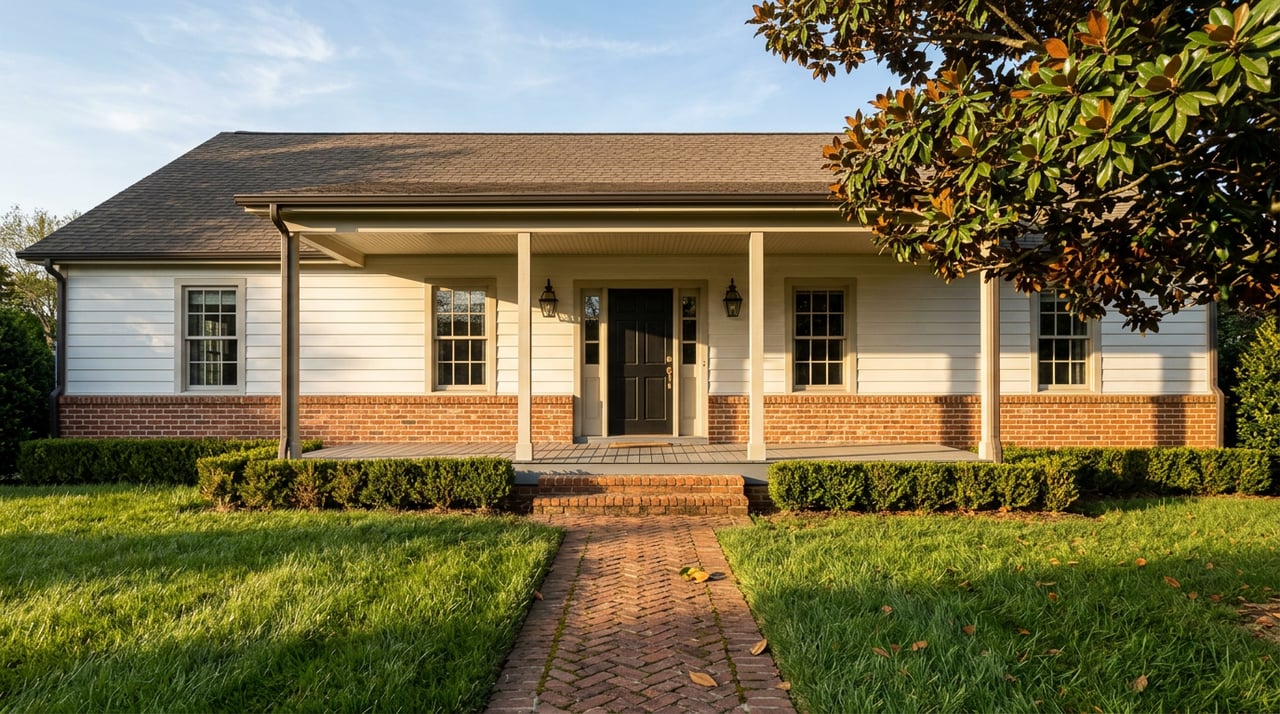
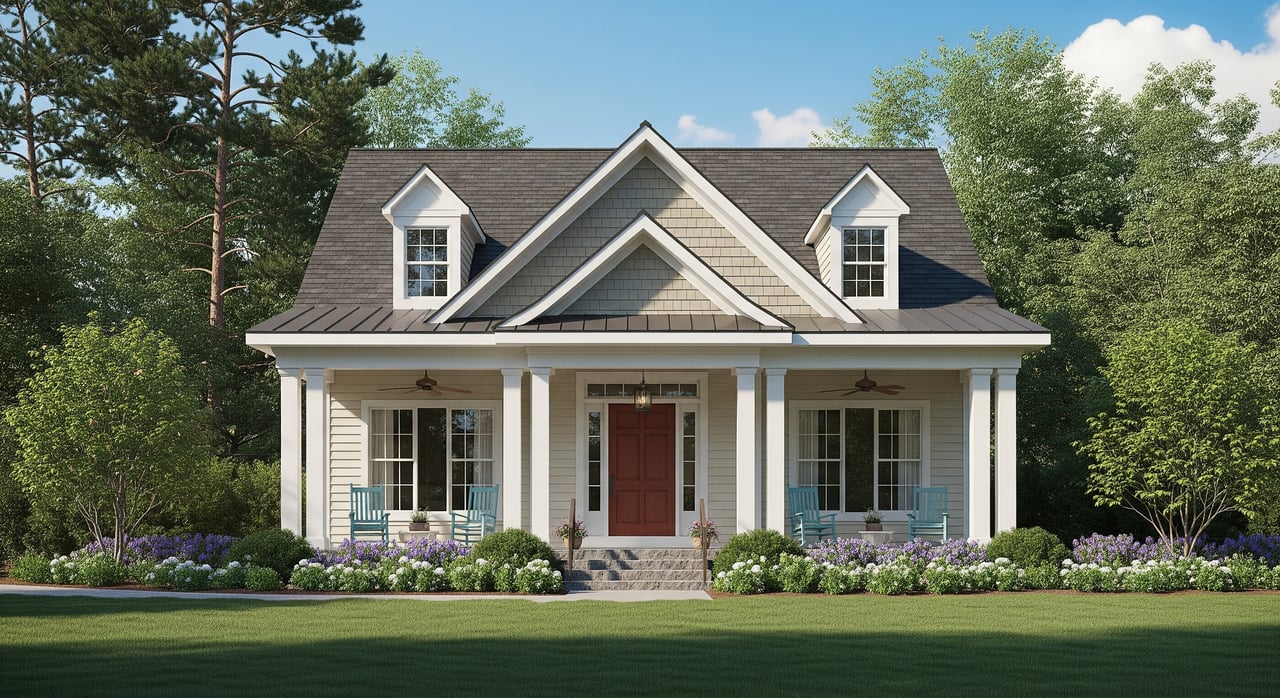
Weddington sits in the top tier of Union County pricing, with a mostly single‑family, large‑lot character and a small commercial footprint. The town highlights that residential feel and spacious lots in its official materials, which helps explain buyer demand from people seeking more room close to Charlotte. You can see that emphasis on large lots and a residential profile in the town’s overview of community character. Learn more from the Town of Weddington description.
Published medians vary by source and boundary. Recent snapshots show a Weddington median in a broad 900,000 to 1.4 million range. For example, one publisher reported a median sale price near 920,000 with about 50 days on market in January 2026, while others report medians above 1.0 million based on different date windows or listing data. Countywide, Union County medians tend to sit in the mid 400,000 to 500,000 range, which underscores Weddington’s premium position.
Inventory and pace shift with season and price band. Active listings are often measured in the dozens to low hundreds, and higher‑end homes commonly take longer than entry‑level stock. Across recent snapshots, days on market for Weddington often falls around 50 to 80 days depending on the source and month.
The move‑up puzzle: sell first or buy first?
Sell first, then buy
Selling first gives you the most certainty about your proceeds and avoids carrying two mortgages. It may require a short‑term rental or a flexible stay with family, which can feel inconvenient. If you choose this path, plan your search early so you can move quickly once your home goes under contract.
Buy first with a financing bridge
Buying first lets you make a cleaner, non‑contingent offer on the next home. Many owners explore a HELOC or bridge option to tap equity for the down payment. For a neutral explainer of how HELOCs work, read the CFPB overview of home equity lines. Model three to six months of potential overlap so you know your carrying costs before you commit.
Contingent offers and kick‑out clauses
A home‑sale or settlement contingency can connect your sale and purchase without extra financing. In stronger segments, sellers may be cautious about open home‑sale contingencies unless they include protections like a kick‑out clause. A kick‑out clause lets the seller keep marketing the home and require you to remove your contingency within a set window if a stronger offer appears.
How NC contracts and closings shape your plan
Due diligence fee and period
North Carolina’s standard contract uses a negotiated Due Diligence Period and a separate Due Diligence Fee paid to the seller. The fee is due on the effective date of the contract, becomes the seller’s property if the buyer terminates outside of limited exceptions, and is credited to the buyer at closing. You can review the fee’s handling in the NCREC bulletin on due diligence fees. Local practice sets the window, often several days to a few weeks, and sellers weigh both the length of the period and the fee size when comparing offers.
Attorney closings and timelines
North Carolina is commonly an attorney‑closing state. An NC closing attorney prepares and reviews documents, issues a title opinion, and coordinates recording and disbursement. Financed purchases often target about 30 to 45 days from contract to close, while cash deals can close much faster. See a step‑by‑step look at typical timing in this NC closing process overview.
NC transfer taxes and typical seller costs
North Carolina levies a state conveyance or excise tax on most real property transfers. It is commonly summarized as 1 dollar per 500 dollars of consideration, which is about 0.2 percent of the sale price. For forms and instructions, check the NCDOR conveyance tax page. You should also budget for brokerage commission, attorney or settlement fees, payoff of any mortgages or liens, and prorations for property taxes and HOA dues.
Post‑closing occupancy options
If you need time in the home after closing, you can negotiate a temporary lease or seller rent‑back. This should be a written occupancy agreement that addresses deposit handling, daily rent, utilities, and insurance. Because you become a tenant after closing, normal landlord‑tenant rules apply. Example NC templates exist for reference, such as a temporary residential lease for sellers. Work with your agent and attorney to tailor terms.
A step‑by‑step timeline for Weddington sellers
Pre‑listing, 2 to 4 weeks
- Request a data‑driven CMA tied to your subdivision and the past 3 to 6 months of sales.
- Complete critical repairs and consider a pre‑listing inspection if you are worried about surprises.
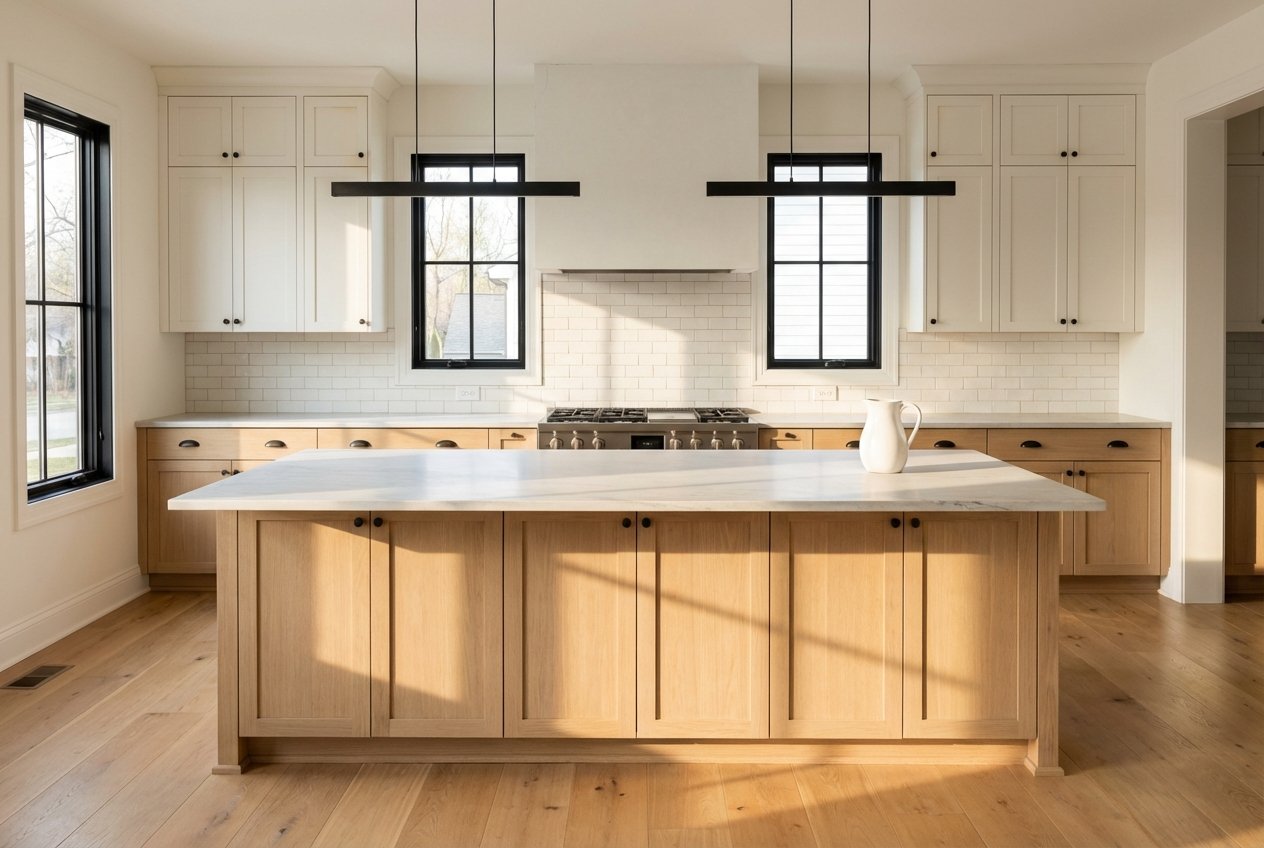
- Stage to highlight square footage, light, yard space, and functional rooms that matter to move‑up buyers.
- If you plan to buy first, get written HELOC or bridge term sheets and model overlap costs.
List and market, first 2 to 4 weeks
- Most showings arrive early when pricing and presentation are on point.
- Track feedback, monitor nearby list and sold activity, and adjust quickly if the market signals a change.
Offer selection and contract
- Compare offers by more than price. Look at the Due Diligence Fee, the Due Diligence Period length, financing type, and proposed timelines.
- If your purchase needs to align, ask for a specific closing date or negotiate a short seller rent‑back.
- If you accept a contingent offer, set clear milestones like listing and under‑contract dates, and consider a kick‑out clause for flexibility.
Due diligence and inspections, commonly several days to a few weeks
- Be ready to coordinate access, respond to repair requests, and provide documents quickly.
- Keep your purchase timeline in sync with this period to avoid surprises.
Appraisal and underwriting, then final prep
- Lender timelines can add several weeks after inspections conclude.
- If you need same‑day closings, plan buffer days or a short rent‑back in case funds disburse later in the day.
Closing logistics
- Confirm who pays the NC conveyance tax and recording fees, and verify wiring instructions with your closing attorney.
- Final walkthrough, keys, and occupancy handoff should match your contract.
Price it right with a Weddington CMA
Define your boundary
Start by drawing the right map. Decide whether your CMA uses the town limits, a ZIP code, or your subdivision. Publisher datasets use different boundaries, which is why Weddington medians vary. Be explicit about the boundary you and your agent are using.
Choose smart comparables
Prioritize closed sales from the last 3 to 6 months in your subdivision or within 0.5 to 2 miles with a similar lot and setting. Adjust for finished square footage, bed and bath count, bonus or basement space, garage, pool, lot size, and recent renovations. Appraisers rely on sales‑comparison logic, so mirror that approach to support both buyer confidence and the eventual appraisal. For background on the method, see the Appraisal Institute’s sales‑comparison framework in The Appraisal of Real Estate.
Track key indicators
Layer in market indicators like average days on market, sale‑to‑list ratios, and the count of active listings in your price band. Per‑square‑foot values in Weddington often show a range, commonly reported around the mid‑200s to low‑300s depending on the dataset and month. Use sold comps, not just active listings, to anchor price.
Build net‑proceeds scenarios
Create conservative, base, and optimistic pricing cases that show your estimated net after typical costs. Include line items for commission, attorney or settlement fees, the NC conveyance tax at about 0.2 percent, expected repairs or credits, and mortgage or lien payoffs. Seeing your net across scenarios helps you set a down payment target for the next home or size a bridge or HELOC if needed. You can confirm tax details on the NCDOR conveyance tax page.
Prepare for the appraisal
If your buyer is using a loan, the appraiser will look for the same comps and adjustments you used to price. Keep a clean packet of your CMA, updates and upgrades list, and any standout features that add measurable value. This helps reduce the chance of an appraisal gap that could delay closing.
Quick takeaways for Weddington move‑up sellers
- Expect to see a Weddington median in a broad 900,000 to 1.4 million range depending on source and month. State the source and date when you cite a number.
- Use a CMA built from sold comps within your subdivision and the last 3 to 6 months to estimate a list price that will attract move‑up buyers.
- If you must buy first, get written term sheets for HELOC or bridge loan products early and model 3‑ and 6‑month overlap scenarios for carrying costs. For product mechanics, review the CFPB’s HELOC guide.
- If accepting a contingent buyer, insist on clear milestones like listing and contract dates, and consider a kick‑out clause to preserve flexibility.
Build the right local team
You will make better decisions with three voices at the table: a listing agent who knows Weddington’s micro‑markets, a local mortgage advisor to explain HELOC or bridge options, and a Union County closing attorney who can map your exact timeline and costs. This trio helps you price to the market, structure offers with the right due diligence terms, and close cleanly on both homes.
When you are ready, our team can help you line up pricing, presentation, and timing for both sides of your move. We pair data‑driven CMAs and professional staging with tight contract management so your sale and next purchase work together. Ready to talk strategy for your address and price band? Connect with Jeremy Ordan to start your next move.
FAQs
How long does a sell‑and‑buy take in Weddington?
- Plan for 50 to 80 days on market in many higher‑end segments, then about 30 to 45 days from contract to close for financed deals, with buffer time or a short rent‑back to align both closings.
What is the NC due diligence fee and when is it paid?
- It is a negotiated fee paid by the buyer to the seller on the contract’s effective date, credited to the buyer at closing, and typically nonrefundable except for limited exceptions. See the NCREC bulletin on due diligence fees for details.
Can I close both homes the same day in North Carolina?
- Yes, but it adds risk if a lender or recording delay occurs. Many sellers plan a one to three day buffer or negotiate a brief seller rent‑back to reduce timing pressure, consistent with attorney‑run closings in NC.
What seller costs should I expect in Union County, NC?
- Expect brokerage commission, attorney or settlement fees, payoff of mortgages or liens, prorated taxes or HOA dues, and the NC conveyance tax of about 0.2 percent. See the NCDOR page on conveyance tax.
What if the buyer’s appraisal comes in low on my home?
- You can review comps with your agent, provide support for value, negotiate price or concessions, or explore buyer solutions if available. Pricing with an appraisal mindset from the start helps prevent gaps.