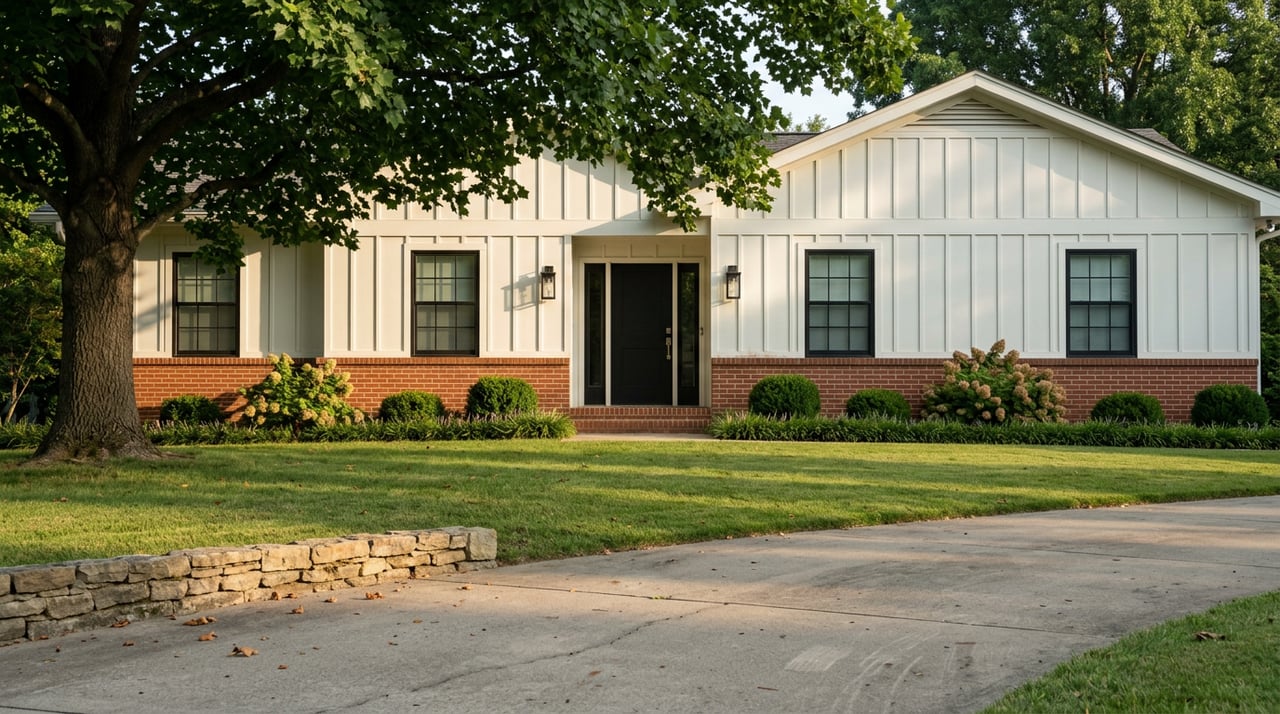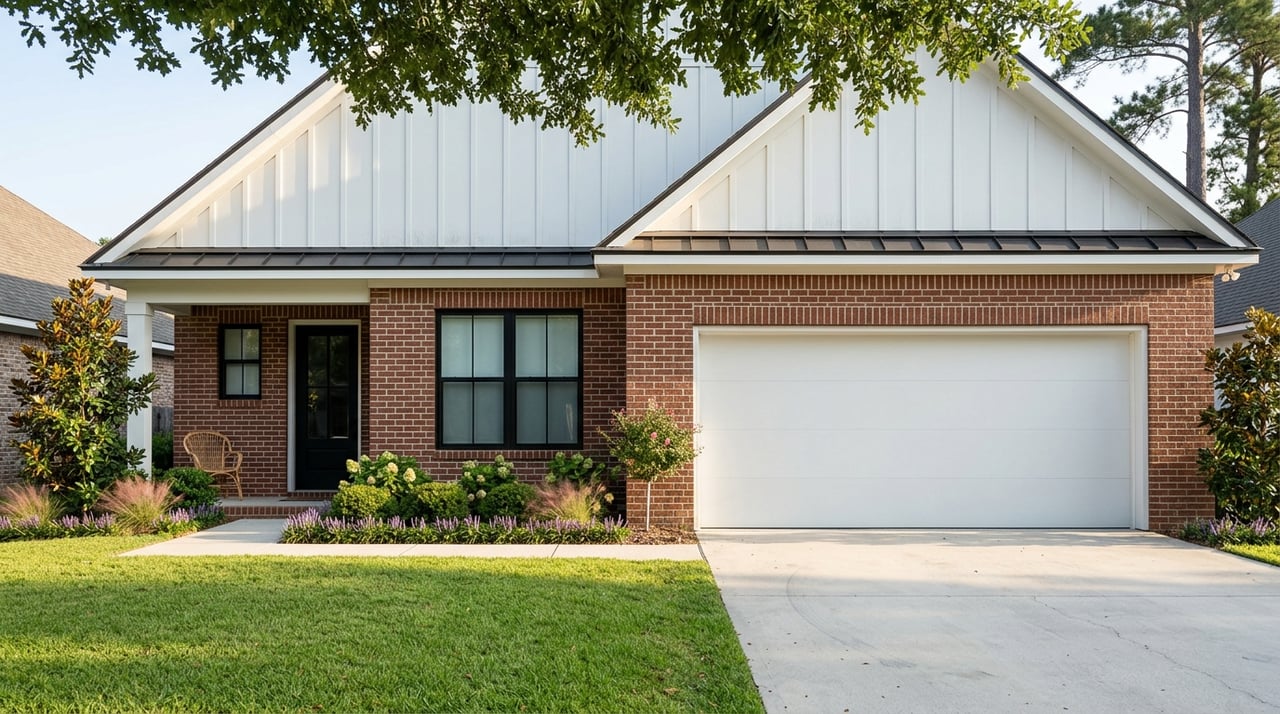
If you're thinking about listing in Gaston County, one question matters more than almost anything else: how strong is demand for your specific home right now? The answer is not as simple as a countywide average or a quick glance at active listings. Buyers in today's market are still active, but they are also more selective, more price aware, and more likely to compare your home against several options before making an offer. This guide will show you how local demand should shape your pricing, presentation, and launch strategy so you can make smarter decisions from day one. Let's dive in.
Why Gaston County Demand Matters
Gaston County remains an active housing market, but it is not moving at the same speed it did when inventory was tighter and buyers had fewer choices. According to the Canopy MLS Local Market Update for Gaston County, January 2026 brought 320 new listings, 293 pending sales, and 218 closed sales. That tells you buyers are still in the market, but not every home is moving quickly.
The same report shows signs of a more balanced environment. Median sales price was $313,400, days on market rose to 69, inventory increased to 842 homes, and months supply climbed to 2.9. When supply rises and homes take longer to sell, your strategy has to become more precise.
For sellers, this shift matters because pricing mistakes are more visible. Buyers have more room to pause, compare, and wait. If your home enters the market at the wrong price or without strong presentation, it may sit longer and invite reductions.
County Averages Only Tell Part of the Story
One of the biggest mistakes sellers can make is using countywide numbers as if every part of Gaston County behaves the same way. They do not. The county includes multiple incorporated areas and market pockets, which is one reason Gaston County GIS zoning data reflects a range of distinct municipalities and overlays.
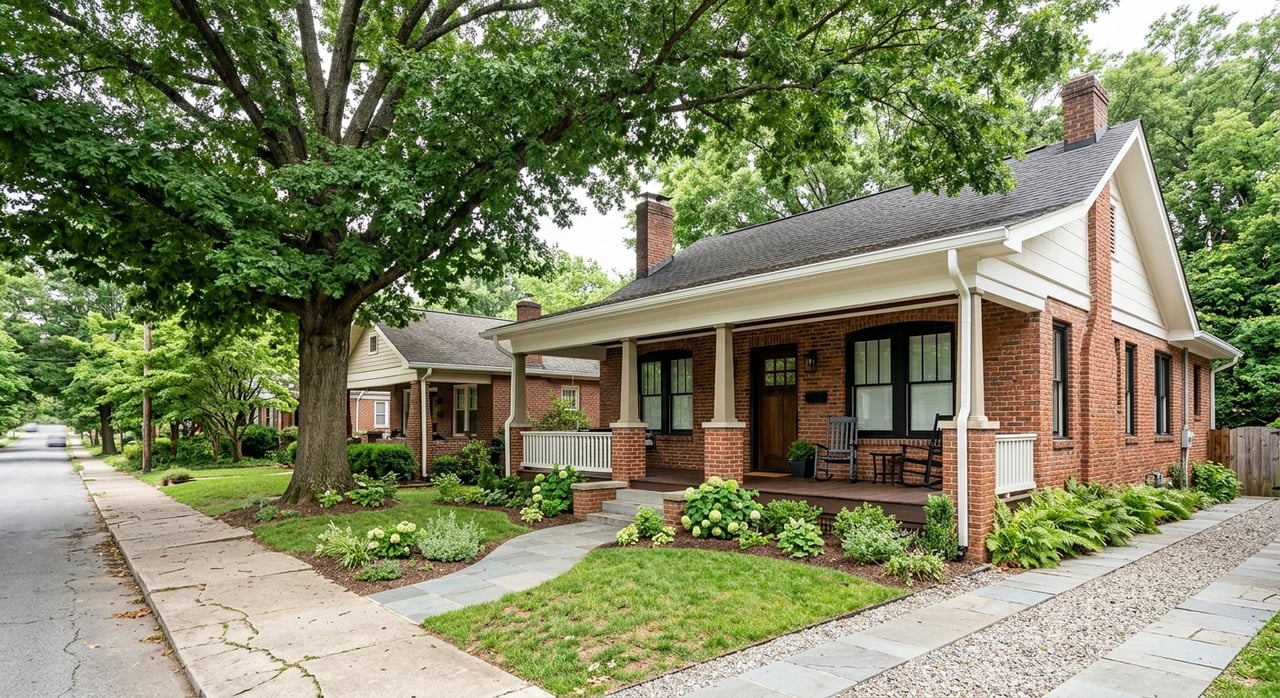
That matters because demand is local. A buyer comparing homes in Belmont is not always shopping the same way as a buyer focused on Gastonia, Dallas, or Mount Holly. Your home's likely competition depends on where it sits, its price point, and the type of buyer it attracts.
In other words, countywide data gives you context, but not your exact pricing answer. To build a smart listing strategy, you need to zoom in.
Belmont and Gastonia Show the Difference
The spread between Gaston County micro-markets is easy to see in current MLS data. In February 2026, Belmont's market snapshot showed 46 new listings, 35 closed sales, a median sale price of $475,000, 62 days on market, and 2.8 months of inventory.
In that same update cycle, Gastonia reported 166 new listings, 110 closed sales, a median sale price of $293,750, 70 days on market, and 3.4 months of inventory. That is a meaningful difference in price level, pace, and available supply.
Belmont's median sale price was $181,250 higher than Gastonia's. That gap is a clear reminder that broad county averages can blur important details. If you price your home using the wrong market lens, you risk either leaving money on the table or missing the market entirely.
Start With Recent Sold Comps
When local demand is shaping your strategy, recent closed sales should lead the conversation. Active listings can show you the competition, but sold homes tell you what buyers have actually been willing to pay.
The best approach is to anchor your list price to the most recent comparable sales in your town, subdivision, or a very similar property cluster. That is especially important in a county like Gaston, where pricing can vary sharply from one area to another.
This matters even more because sellers are not getting full asking price on average. The Gaston County MLS report shows sellers received 93.8% of original list price in January 2026. That figure also does not account for concessions or down payment assistance, which means the headline contract price is only part of the story.
Why Overpricing Carries More Risk Now
In a market with rising inventory and longer days on market, overpricing can cost you momentum. Buyers notice when a home sits, and the longer it lingers, the more likely they are to wonder whether the price is too high or whether something is being overlooked.
That risk is more pronounced now because buyers have options. With 842 homes in inventory, 2.9 months of supply, and 69 days on market countywide, your listing has to compete harder than it would have in a tighter market. A price that stretches beyond the local comp range may reduce showings and increase the odds of a later price cut.
A price reduction can help reset attention, but it often comes after your strongest launch window has already passed. That is why disciplined pricing from the beginning can do more to protect your equity than an optimistic list price that needs correction later.
Match Presentation to Buyer Expectations
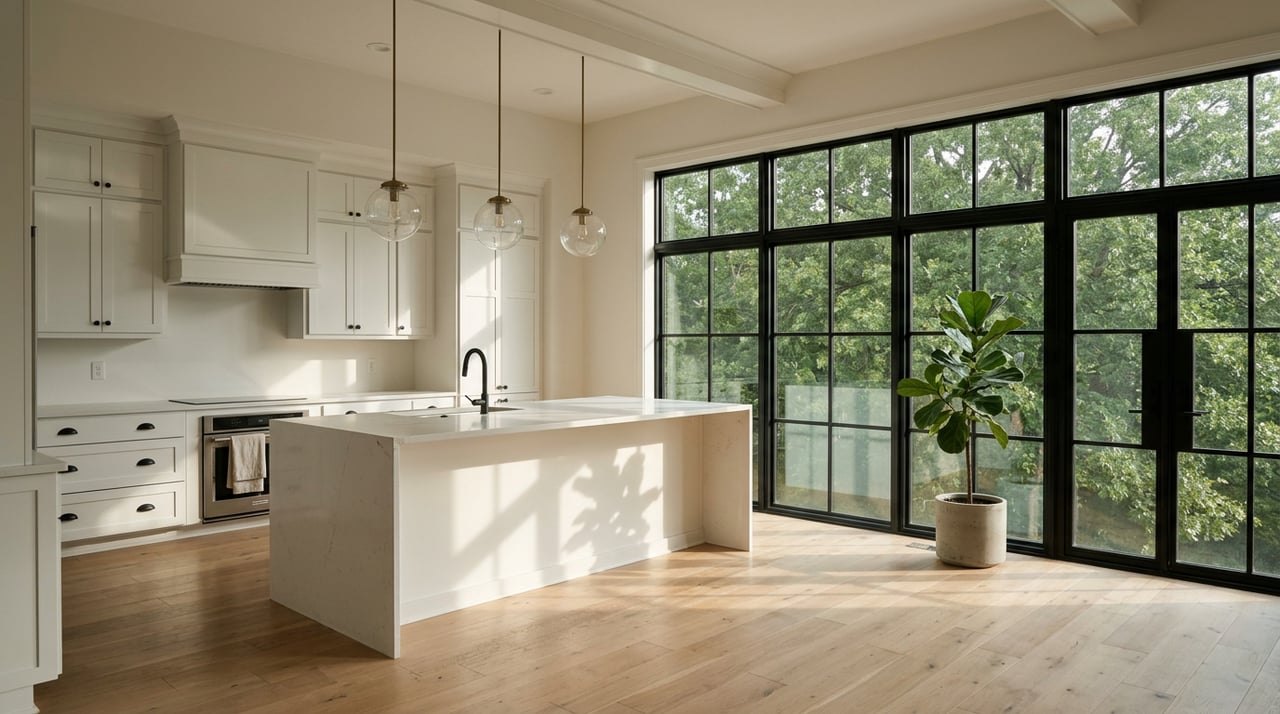
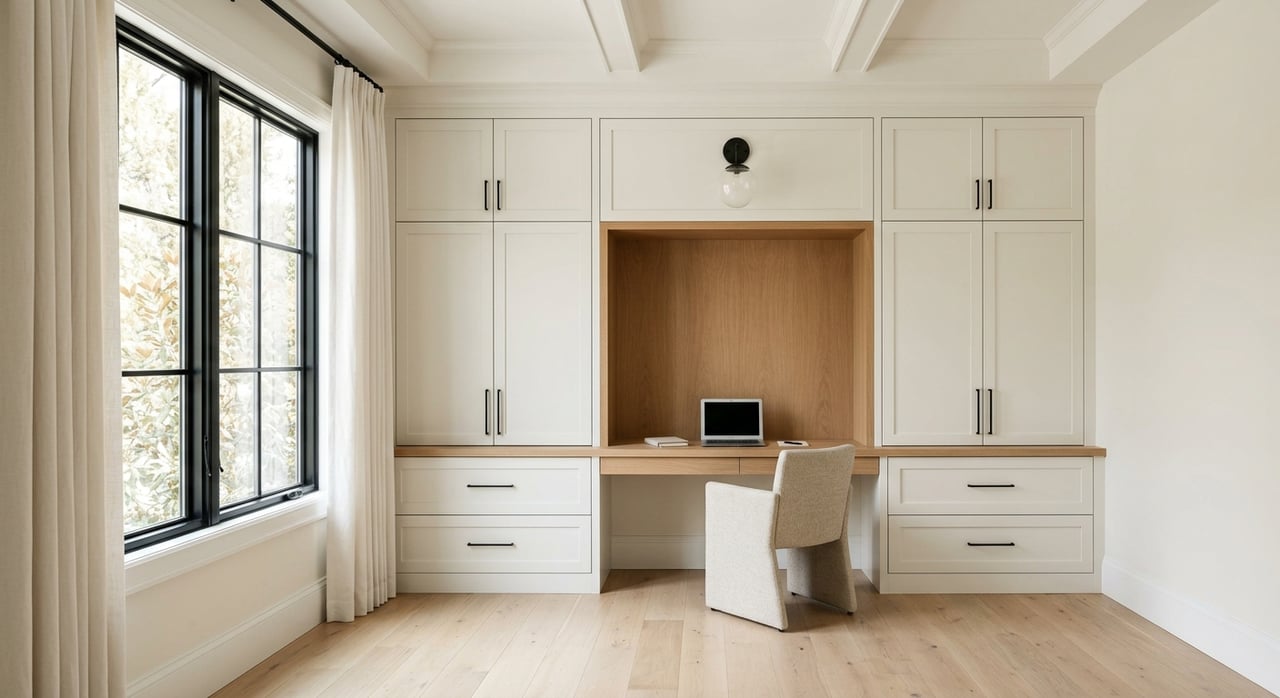
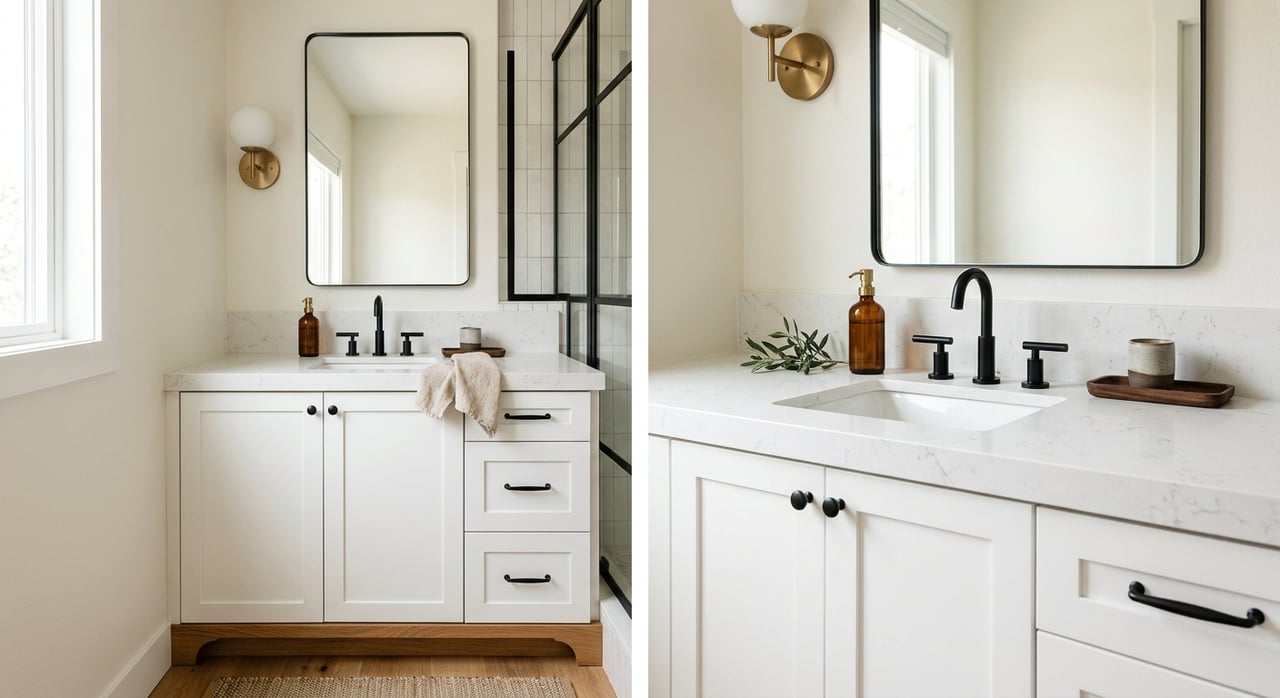
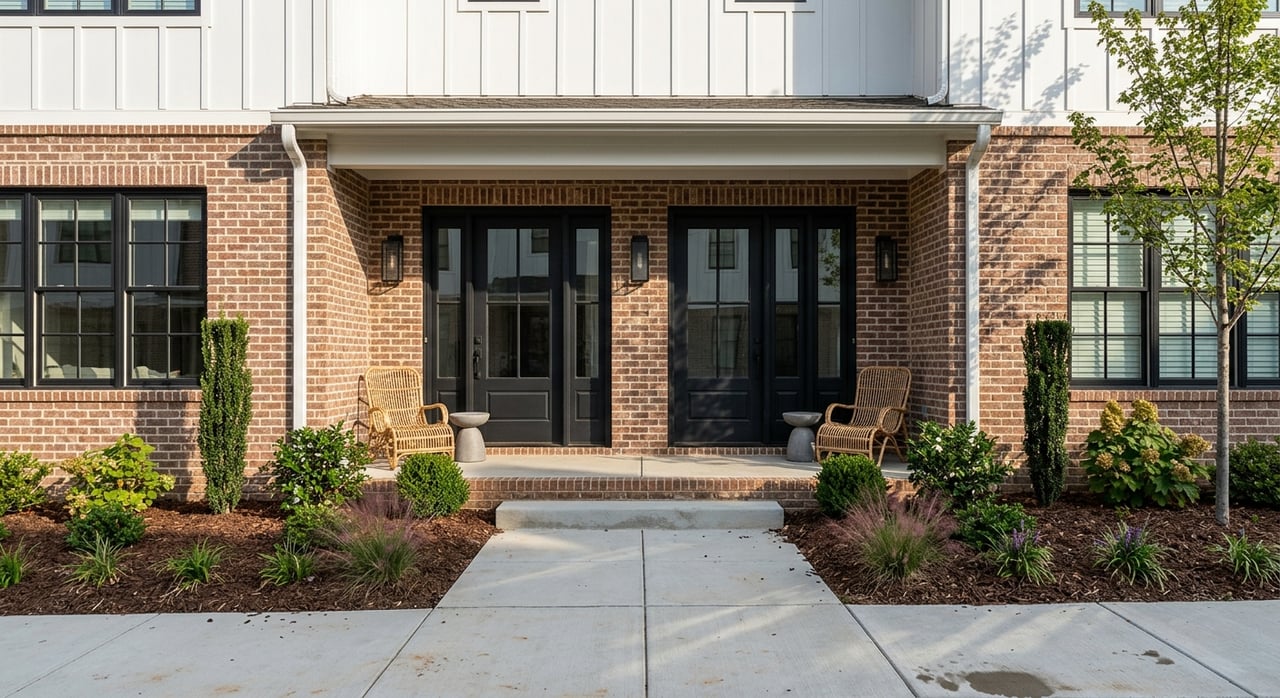
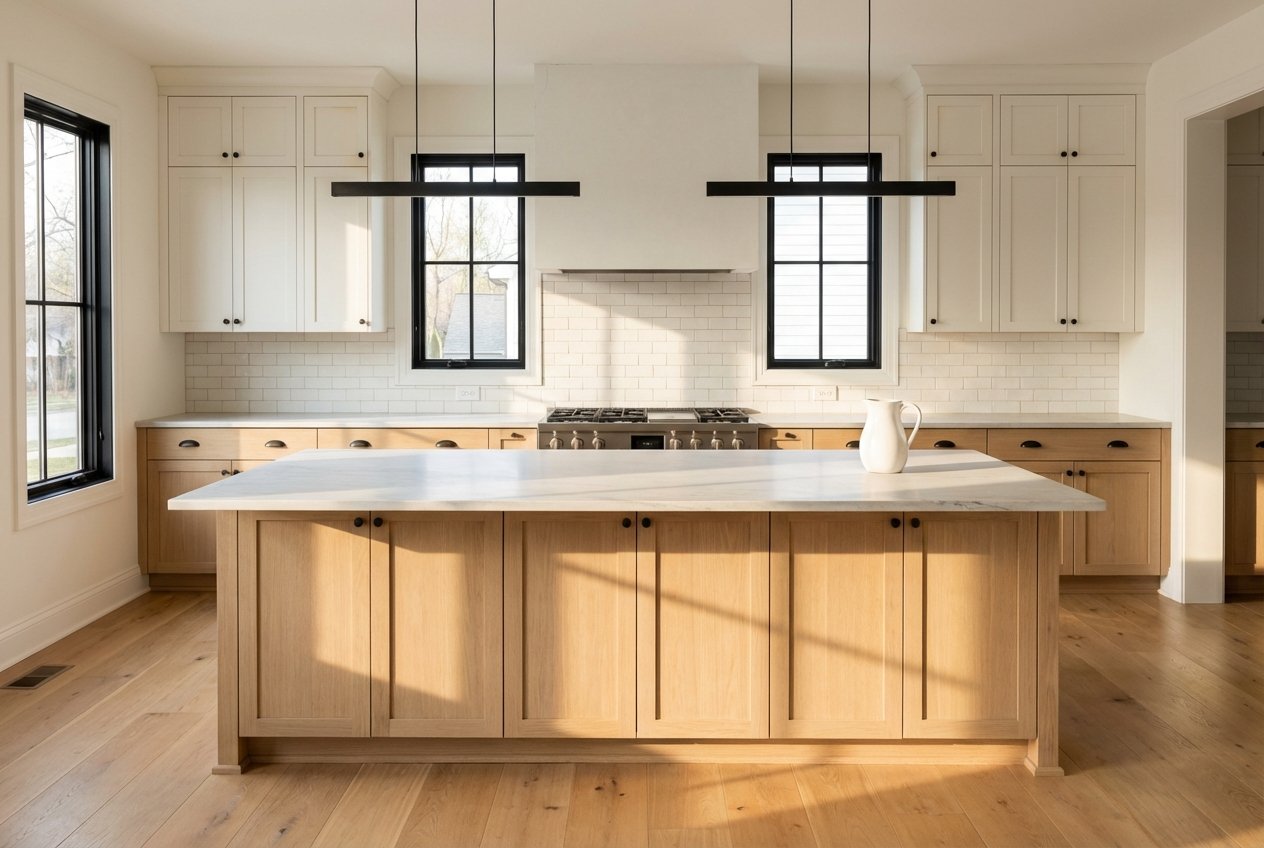
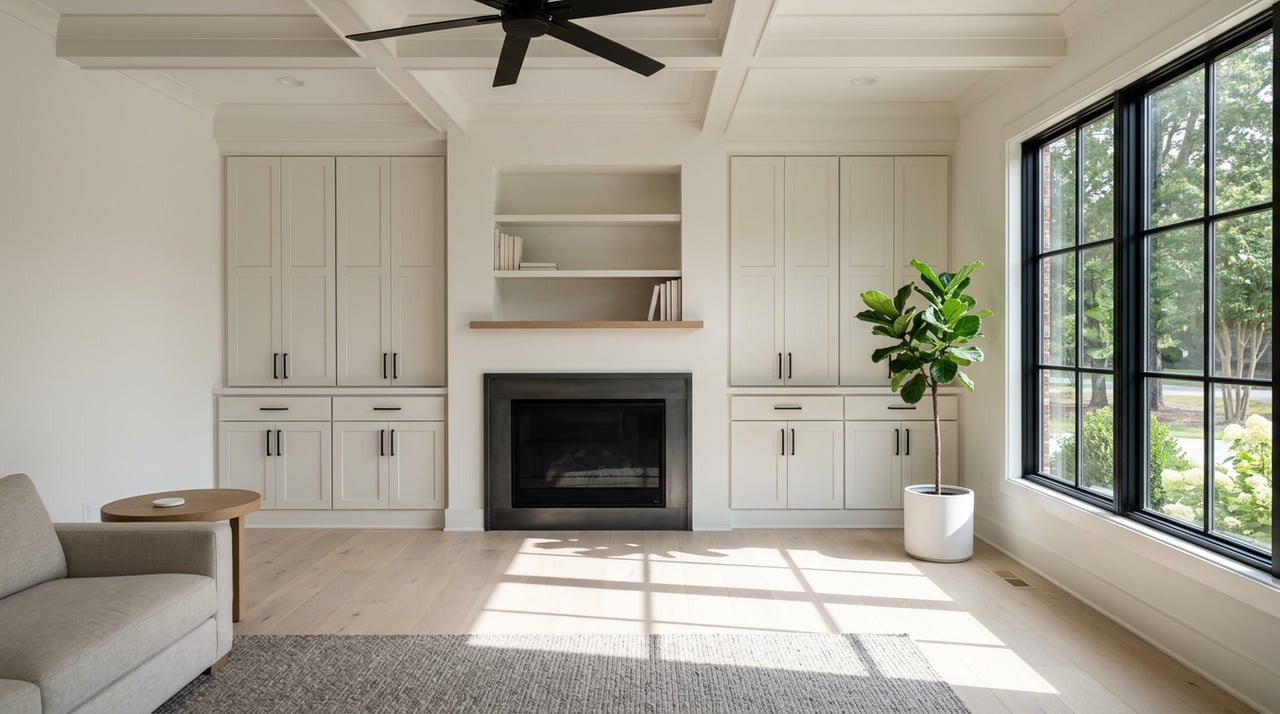
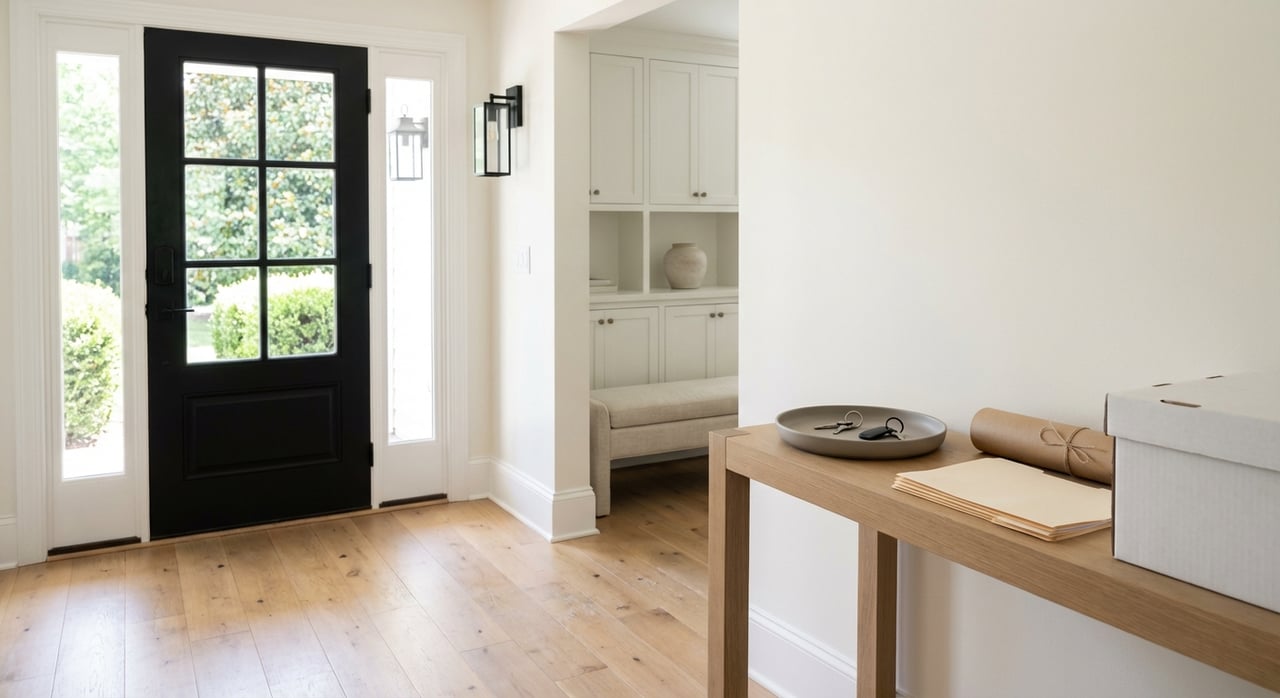
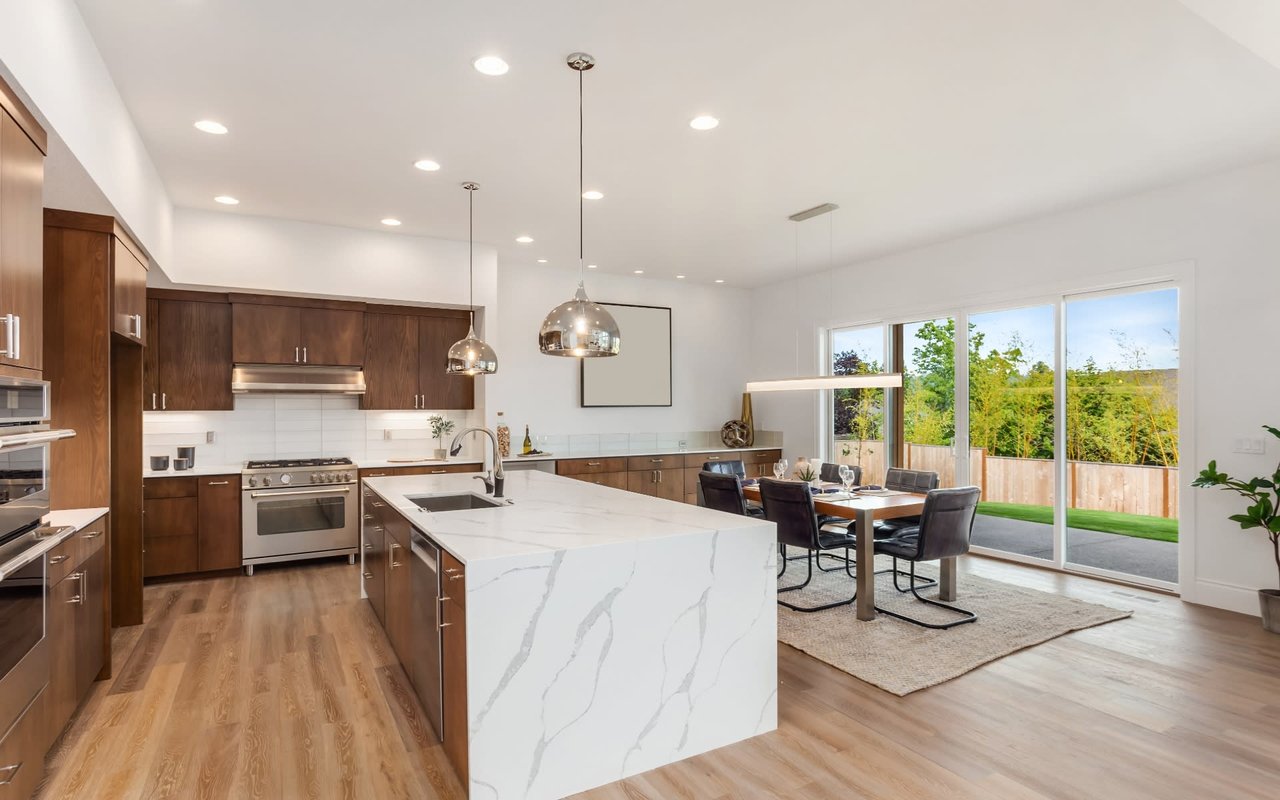
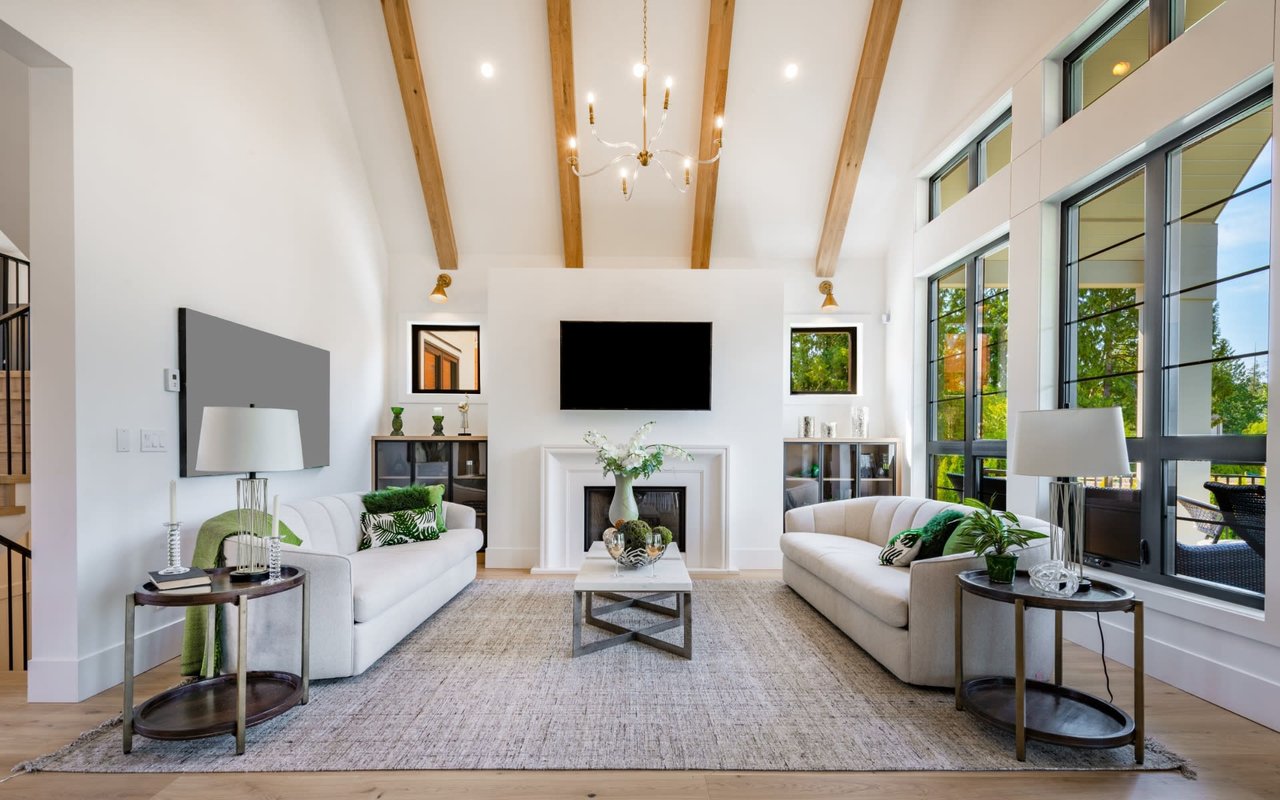
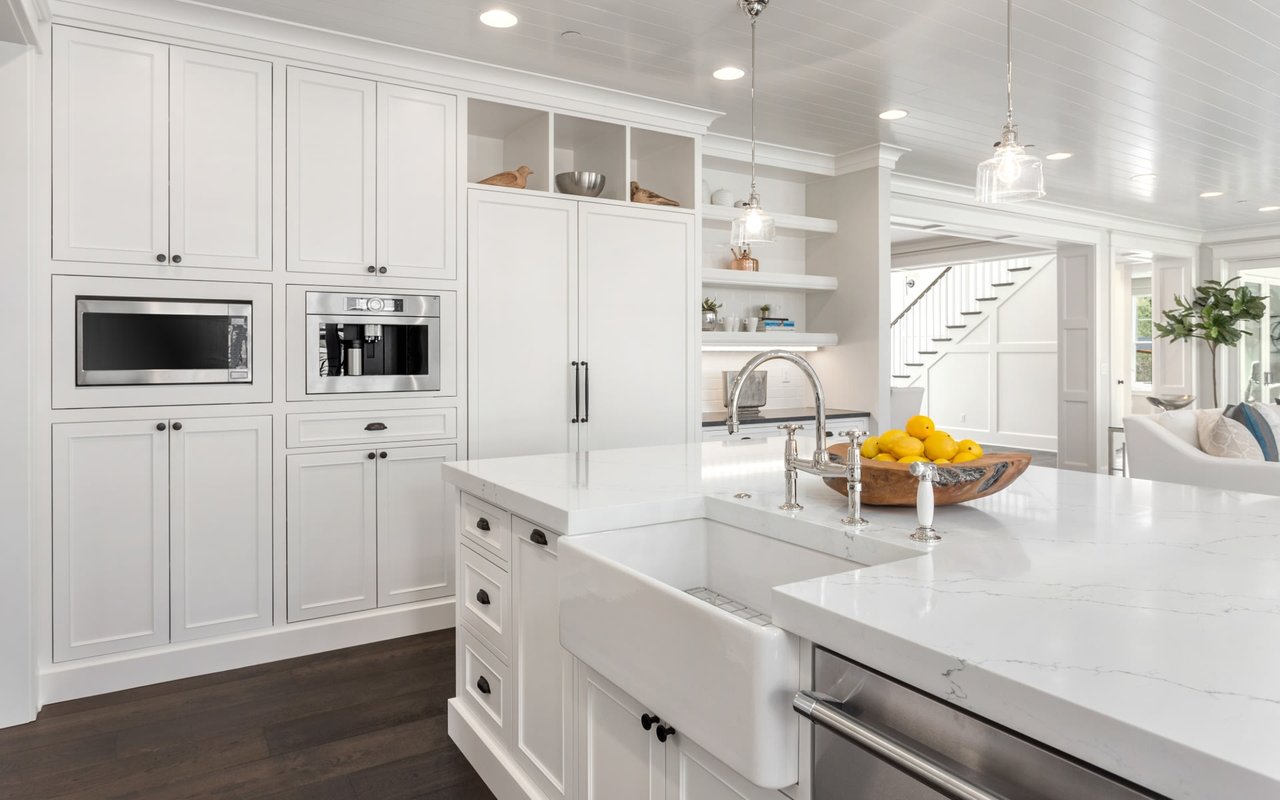
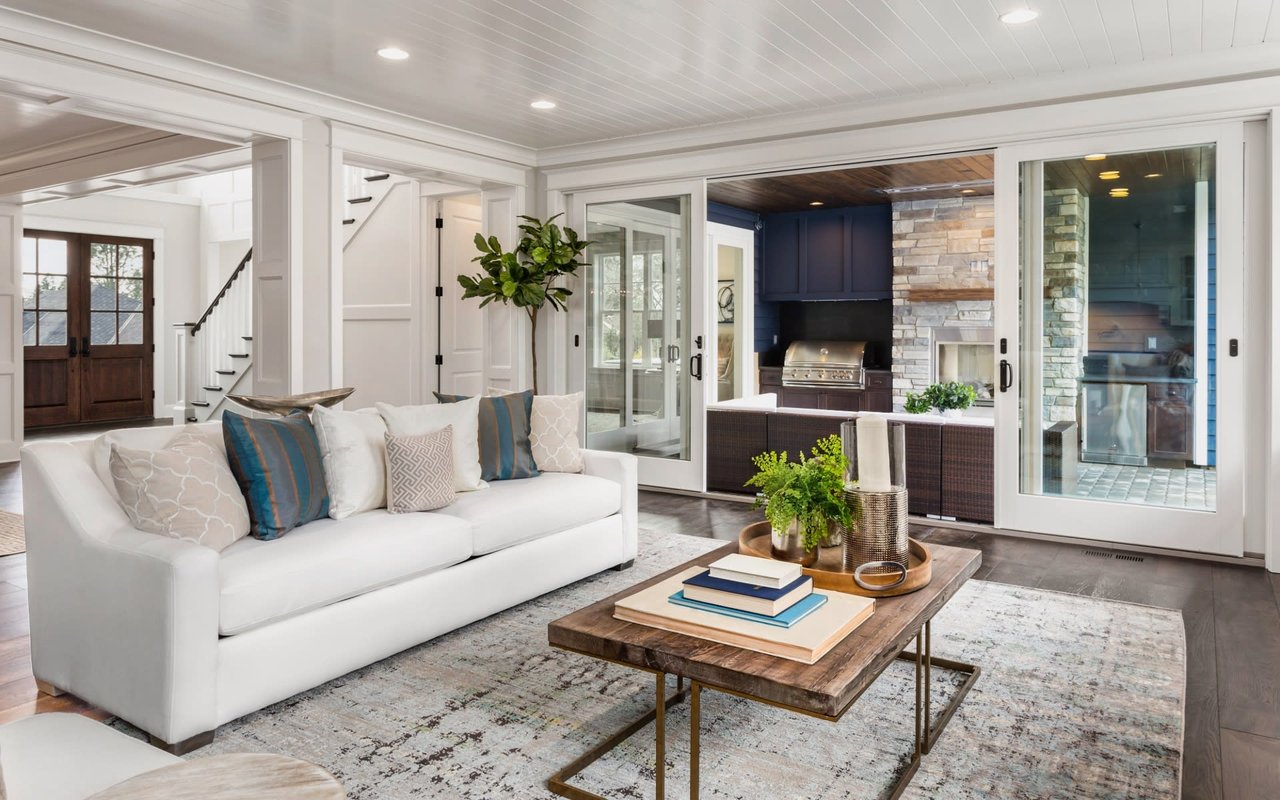
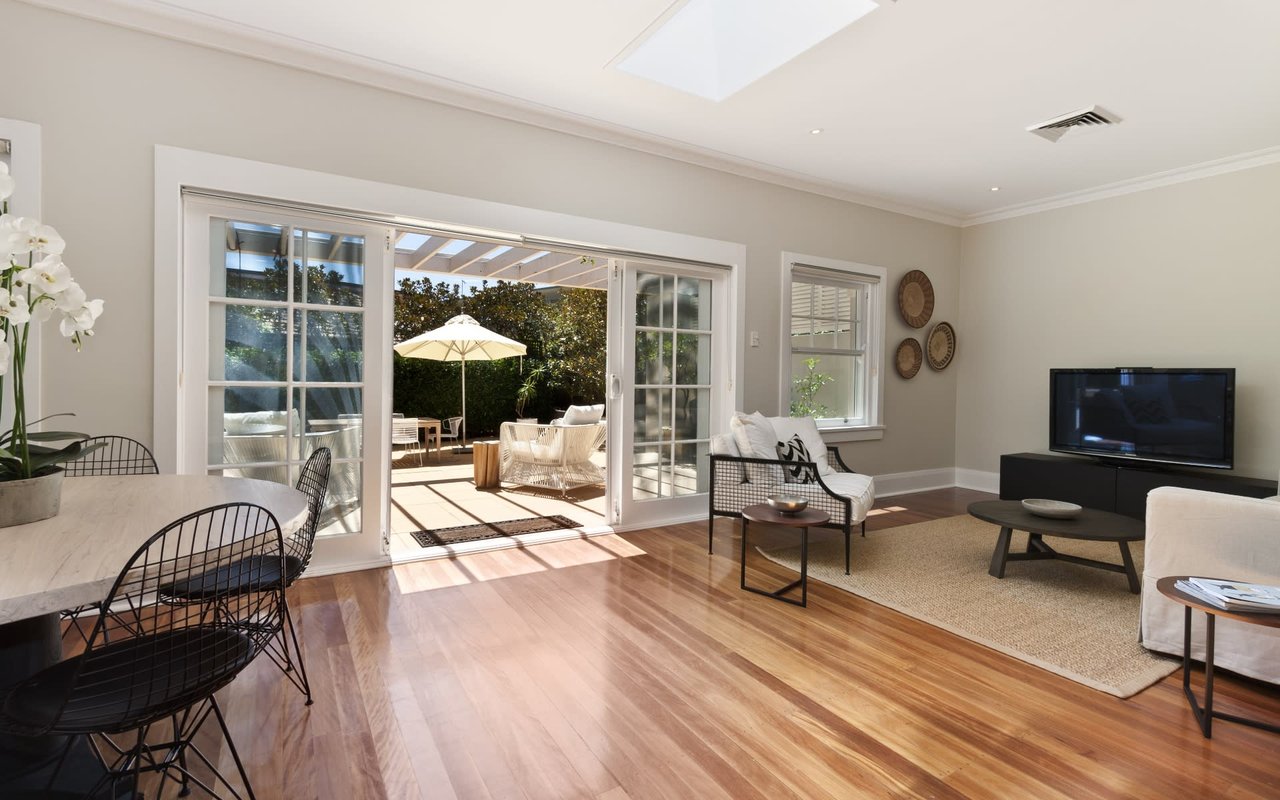
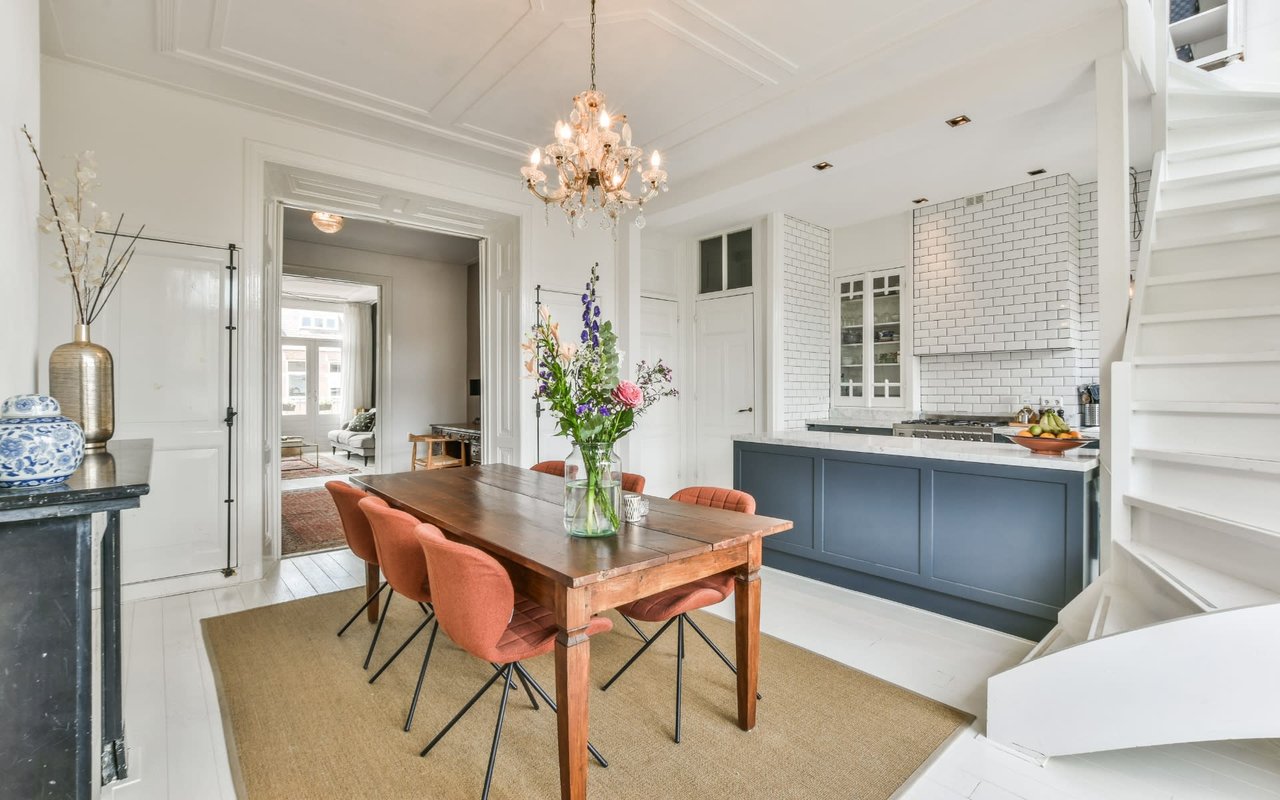
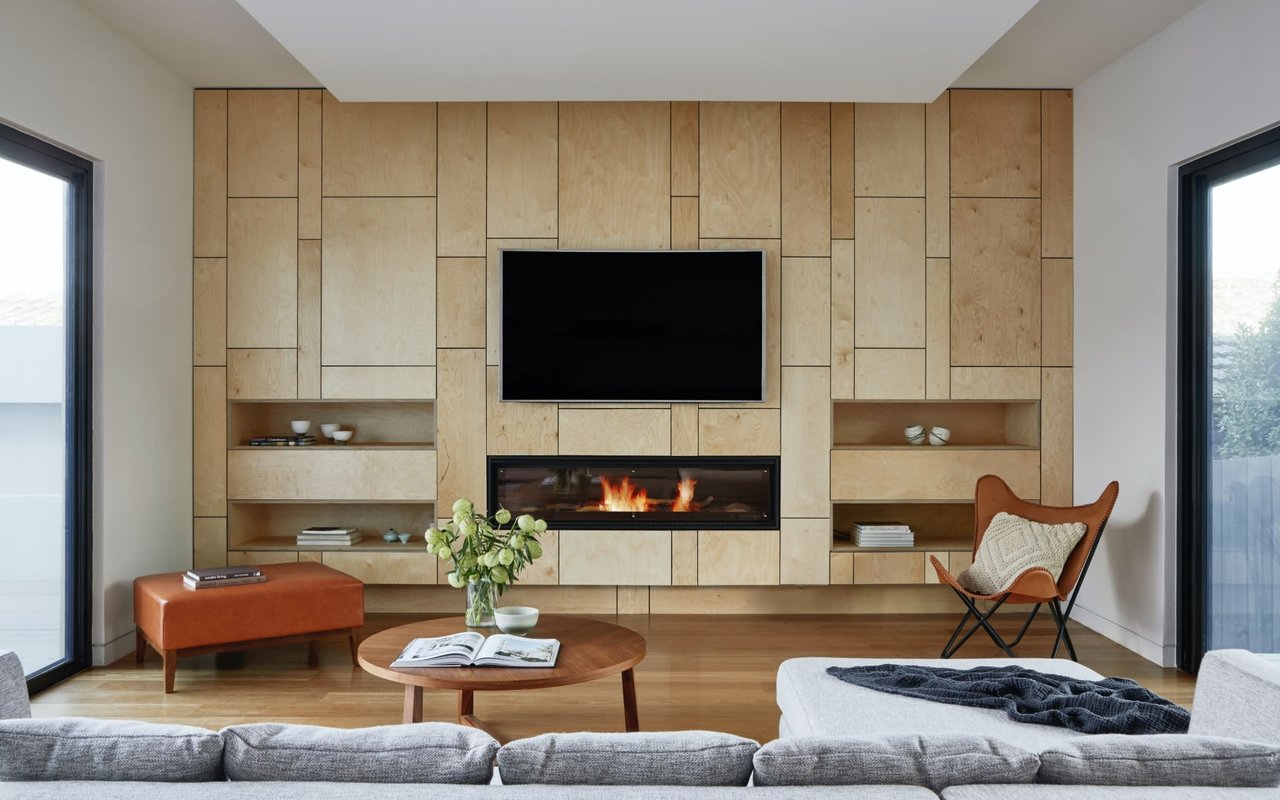
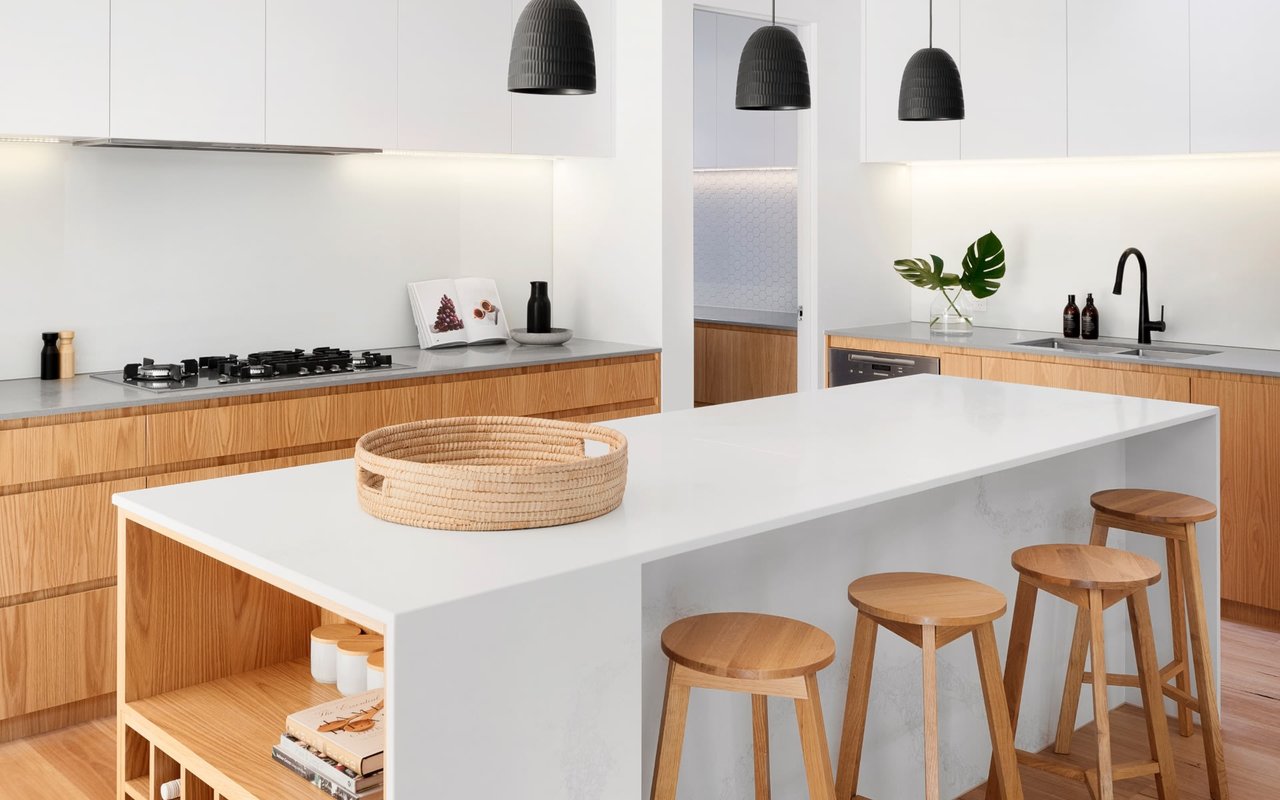
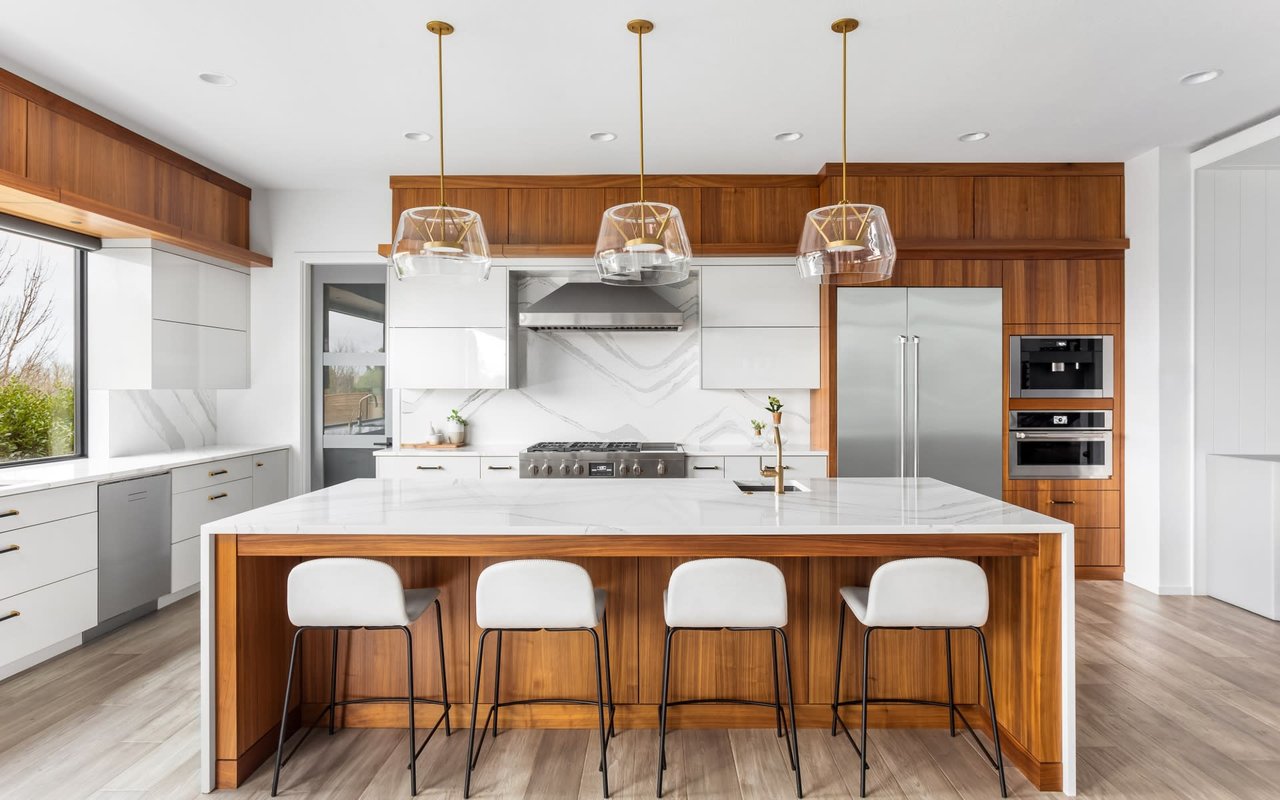
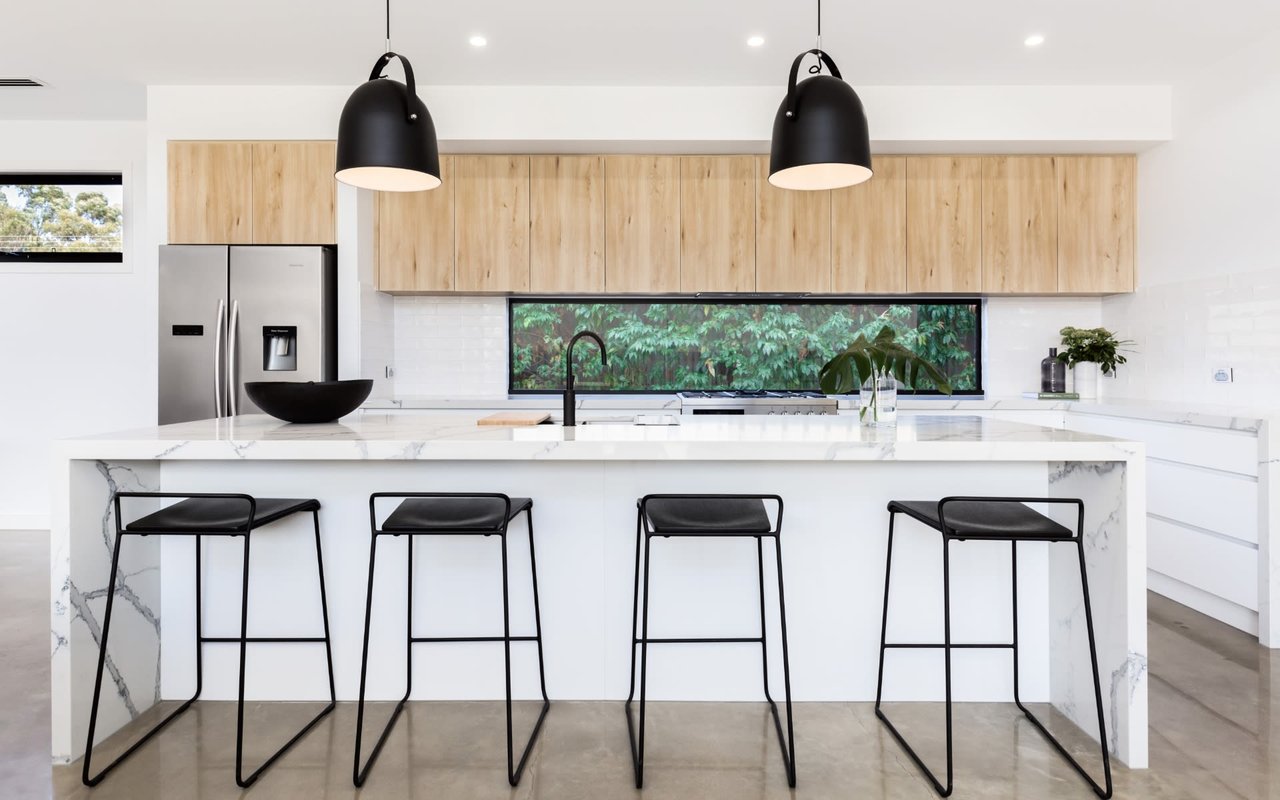
Pricing gets buyers interested, but presentation helps them connect. In a selective market, buyers are quick to compare finishes, condition, layout, and overall feel. If your home does not look ready online and in person, it may lose ground even if the price is close.
This is where a tailored approach matters. Belmont and Gastonia, for example, show different price levels and transaction patterns, which suggests different buyer expectations and competitive standards. That supports a strategy built around your home's likely buyer and price tier, not a one-size-fits-all listing plan.
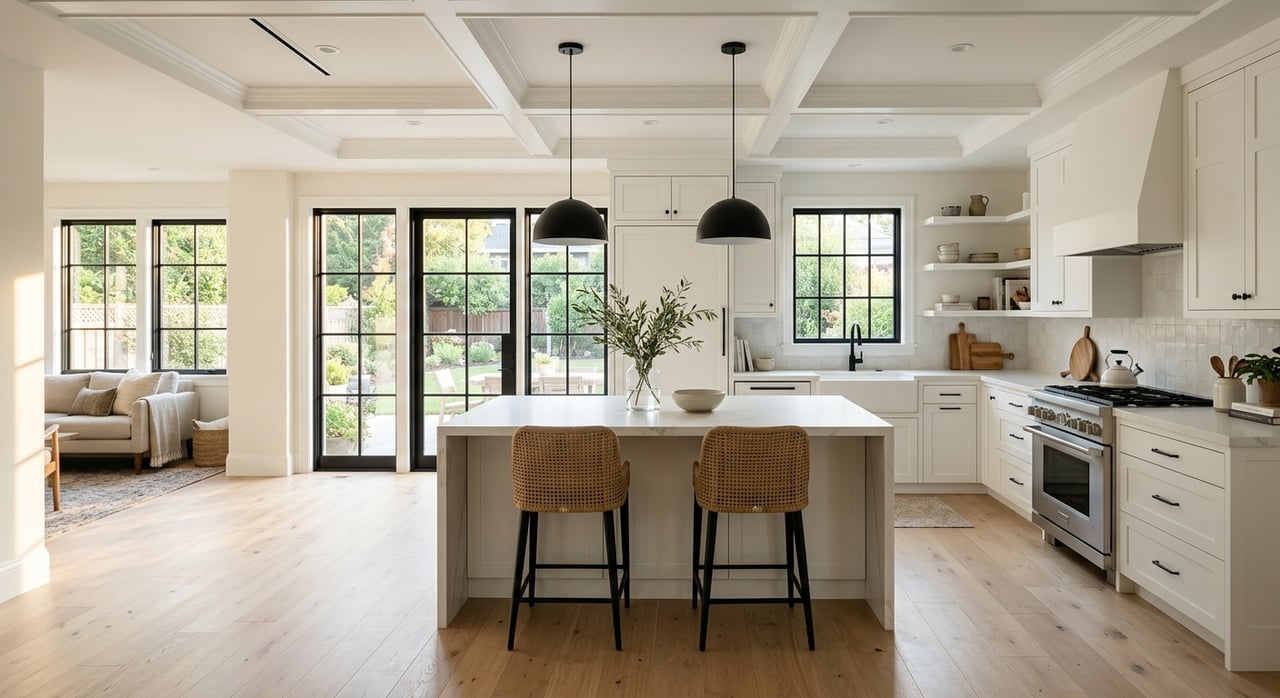
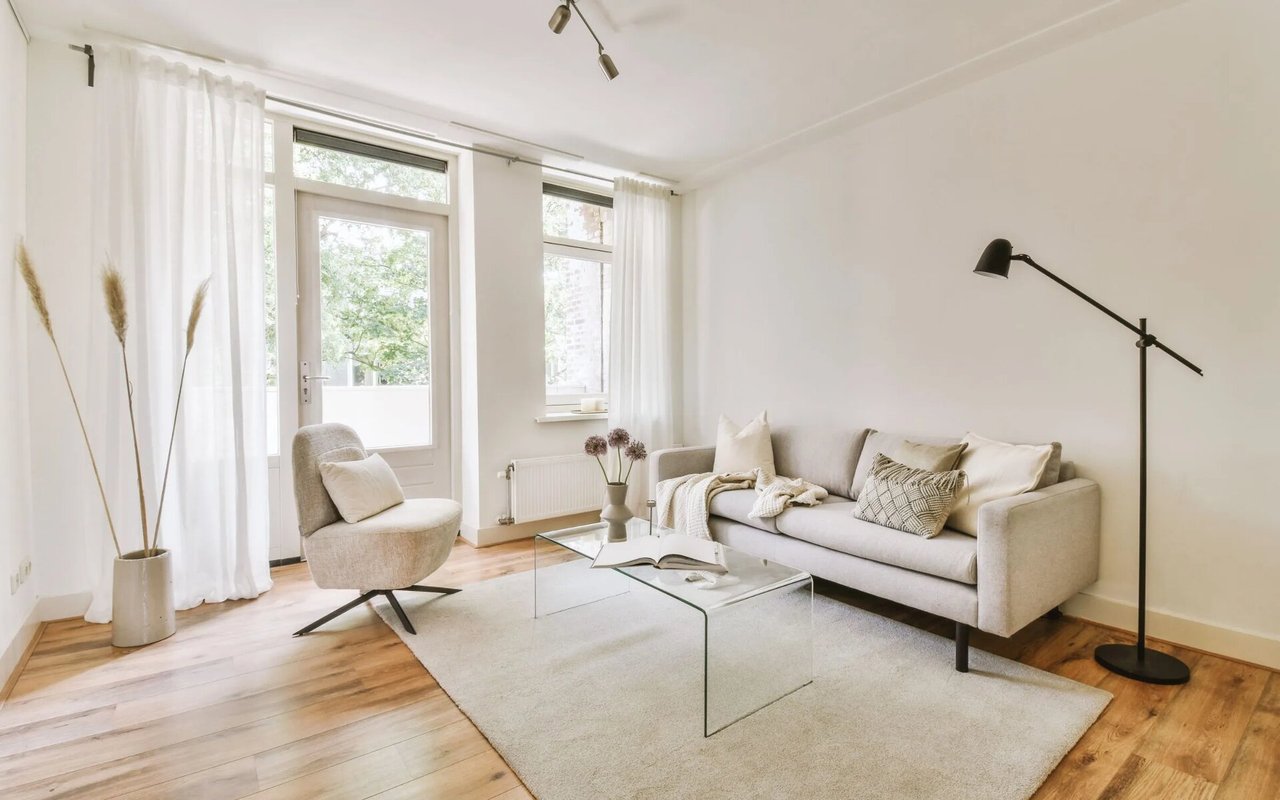
Staging can play an important role here. According to the NAR 2025 Profile of Home Staging, 83% of buyers' agents said staging made it easier for buyers to visualize a home as their future residence, 49% of sellers' agents said staging reduced time on market, and 29% said staging increased the dollar value offered by 1% to 10%.
The same report found that the living room, primary bedroom, dining room, and kitchen are the most commonly staged spaces. If you're preparing to list, those rooms are often the best places to focus your time and budget first.
Online Marketing Shapes First Impressions
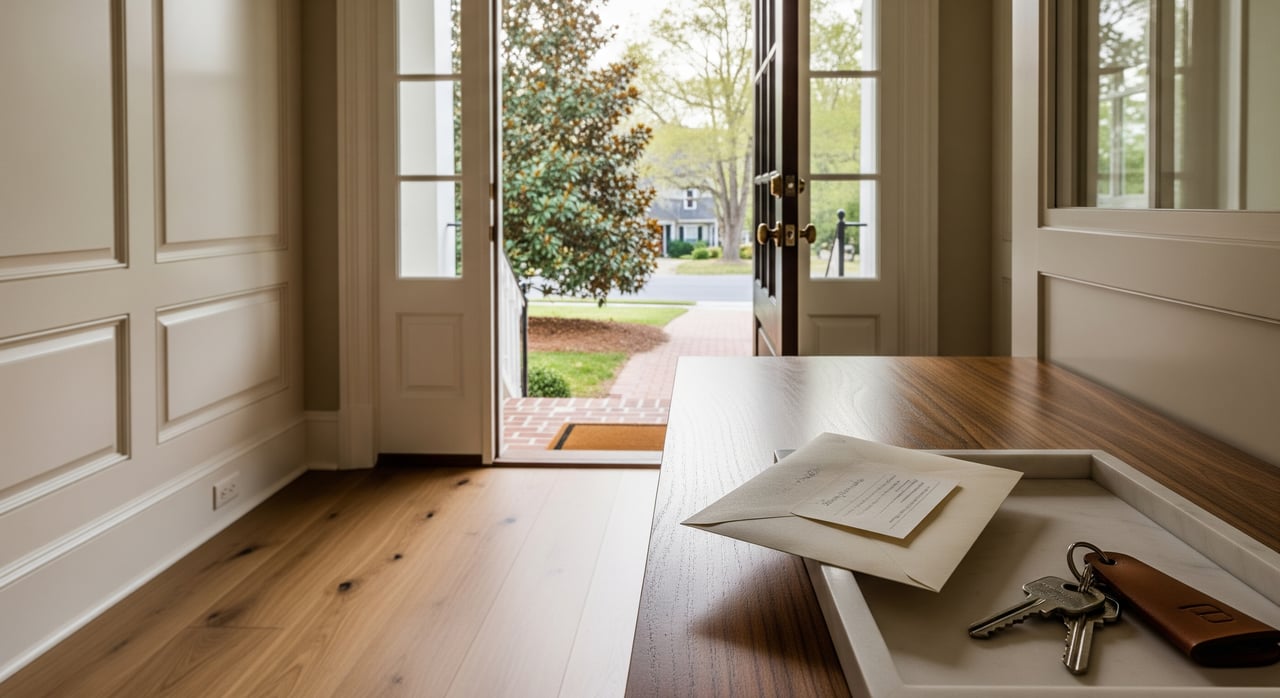
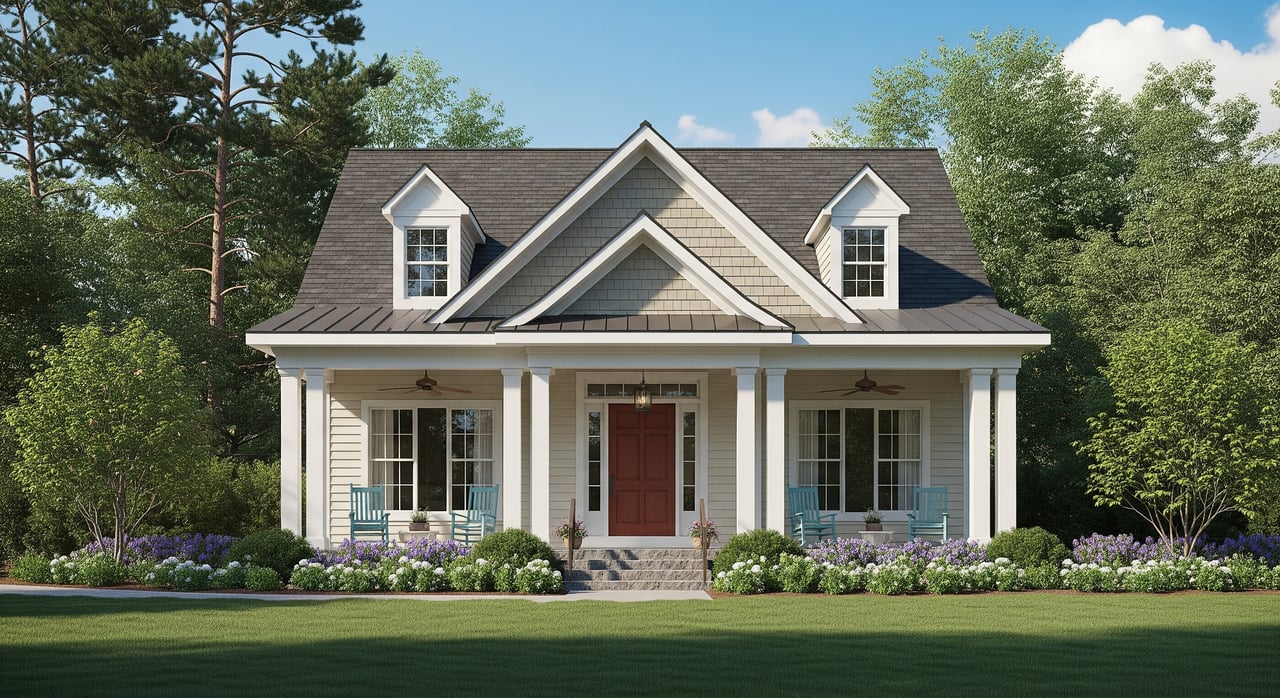
Today, your listing usually meets buyers online before they ever step through the front door. That makes photography, visual presentation, and launch readiness essential, especially in a market where buyers are comparing homes carefully.
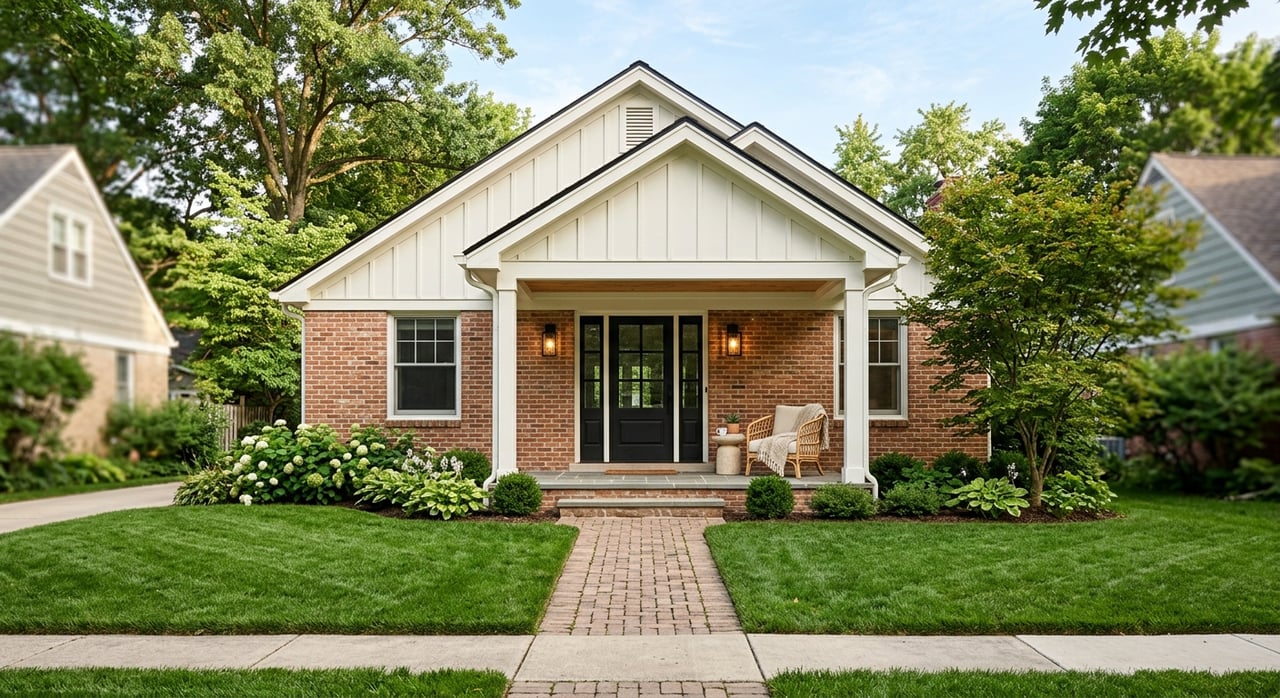
The National Association of Realtors reports that 43% of buyers started their home search online, 52% found the home they purchased online, and 81% rated listing photos as the most useful feature. For Gaston County sellers, that supports a strong case for professional photography and a polished digital debut.
Your first photo matters. Your photo order matters. The condition of your home before it goes live matters. A clean, well-styled, launch-ready home gives buyers a better reason to schedule a showing instead of scrolling past.
Plan Your Launch Before You Market
A smart listing strategy is not just about price and photos. It is also about timing. If you plan to market your home publicly, you should understand how MLS rules affect that plan.
Under Canopy MLS Clear Cooperation guidance, once a listing is publicly marketed, it must be submitted to the MLS within one business day. The policy also explains that private one-to-one agent communication does not trigger the rule, and that sellers with privacy or security concerns may still use the MLS without distributing the listing to public websites.
The key takeaway is simple: decide on your launch strategy early. If you are considering a more private rollout or want to limit public exposure, those choices need to be made before public marketing begins.
What Sellers Should Do Next
If you're listing in Gaston County, local demand should shape every major decision. A strong strategy usually includes:
- Reviewing the most recent sold comps in your exact micro-market
- Comparing your home to current competition in similar price ranges
- Setting a list price based on real buyer behavior, not just hopeful targets
- Preparing key spaces for showings and photography
- Using professional visuals to strengthen online appeal
- Creating a clear launch plan before any public marketing starts
These steps are especially important in a market where buyers are active but more selective. When demand is no longer frenzied, details matter more.
The Bottom Line for Gaston County Sellers
County averages are a useful starting point, but they should never be your full strategy. Gaston County is made up of distinct micro-markets, and each one can behave differently in price, pace, and buyer demand. The sellers who position themselves best are the ones who price from recent local comps, present the home well, and launch with purpose.
If you want guidance on how to read demand in your specific part of the market, stage your home effectively, and build a listing strategy around current conditions, connect with Jeremy Ordan. Start your next move with a trusted team — let's talk.
FAQs
How should sellers price a home in Gaston County?
- Sellers should use recent closed sales in the same town, neighborhood, or similar property cluster rather than relying only on countywide averages or active listings.
Why are micro-markets important when listing in Gaston County?
- Micro-markets matter because areas like Belmont and Gastonia can have very different median prices, inventory levels, and days on market, which affects pricing and marketing strategy.
What do current Gaston County market conditions mean for sellers?
- Current conditions suggest buyers are still active, but with higher inventory, 2.9 months of supply, and 69 days on market, they are more selective and price sensitive than before.
How important is staging for a Gaston County home sale?
- Staging can help buyers visualize the home, may reduce time on market, and may improve offers, especially when focused on key spaces like the living room, primary bedroom, dining room, and kitchen.
What should sellers know about marketing a home before it hits the MLS in Gaston County?
- Sellers should know that under Canopy MLS Clear Cooperation rules, publicly marketed listings must be submitted to the MLS within one business day, so launch strategy should be decided in advance.