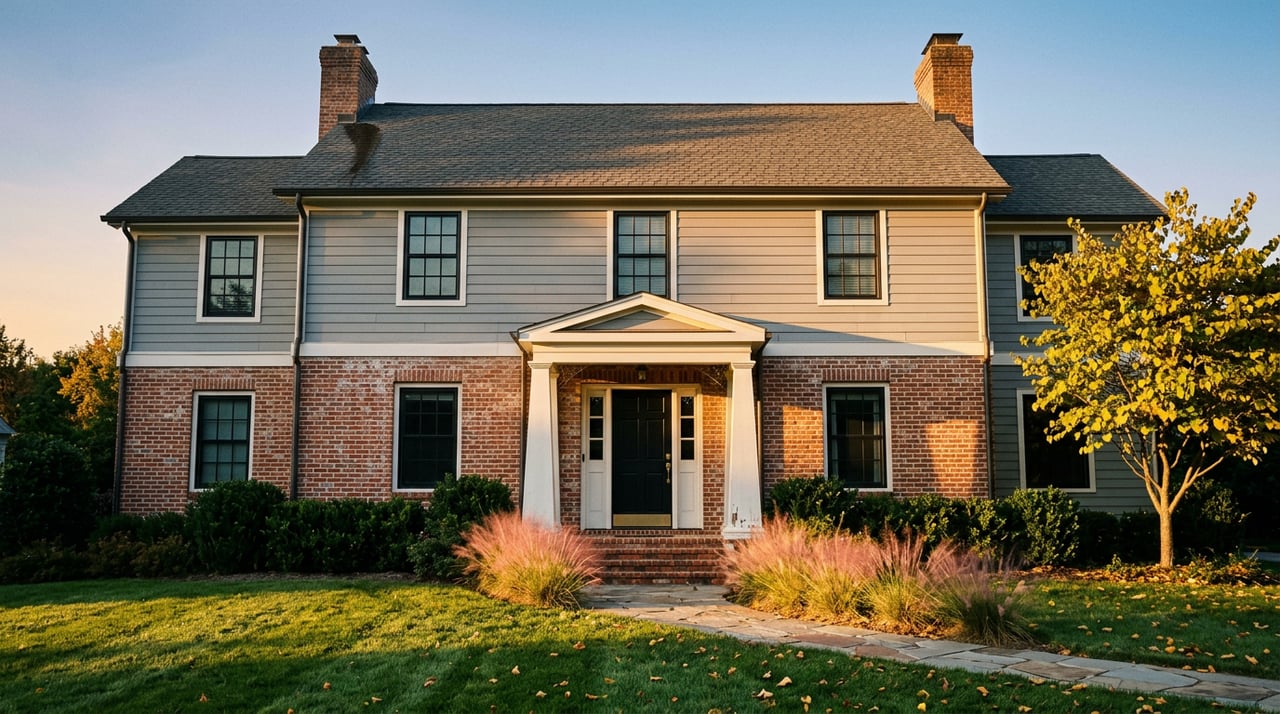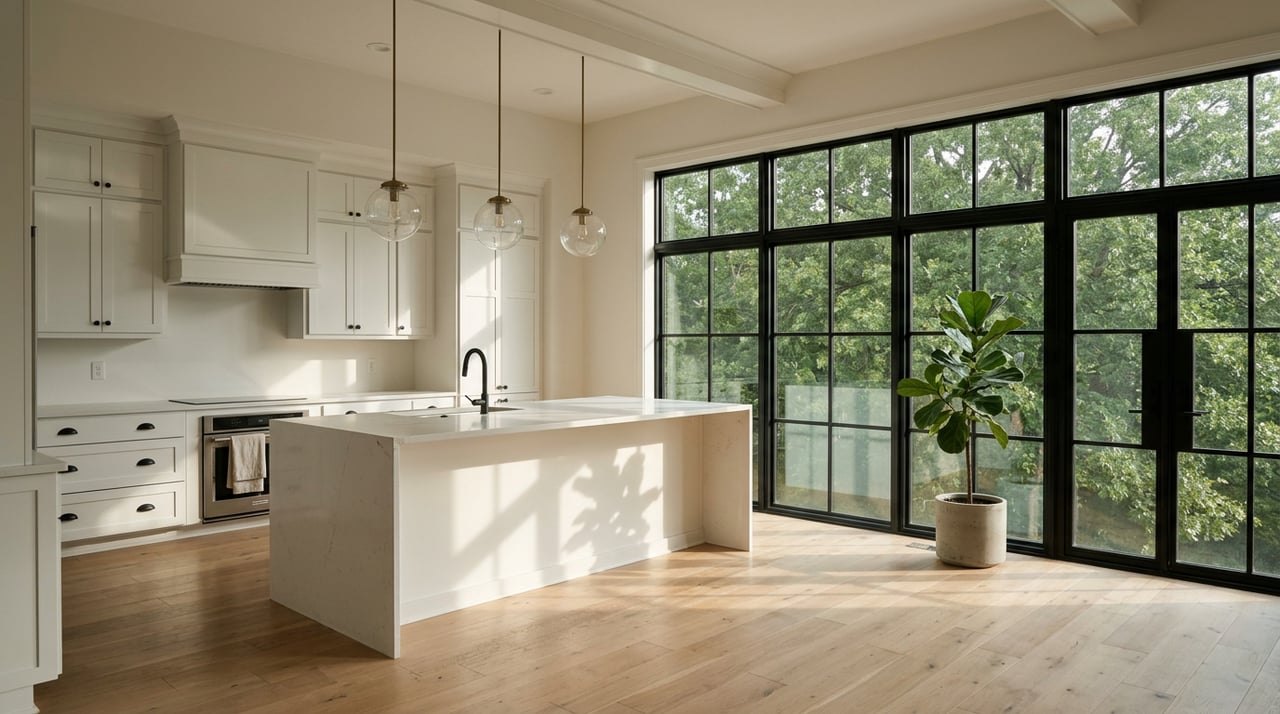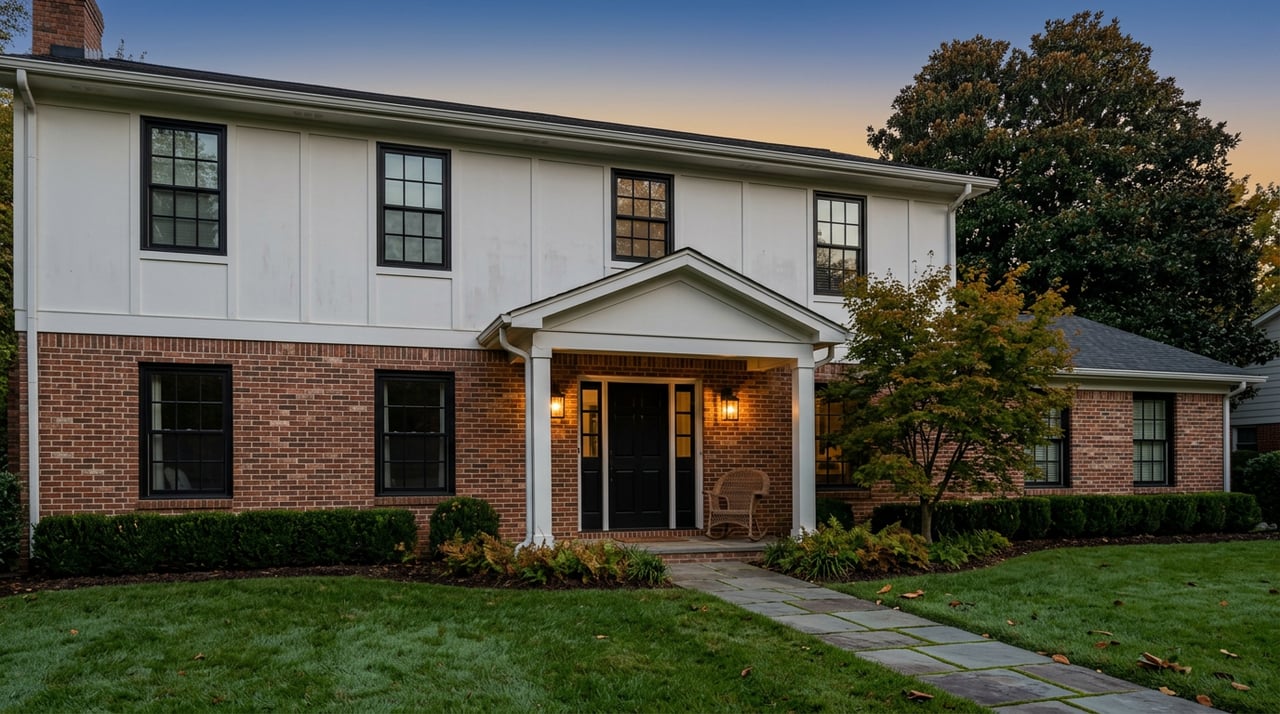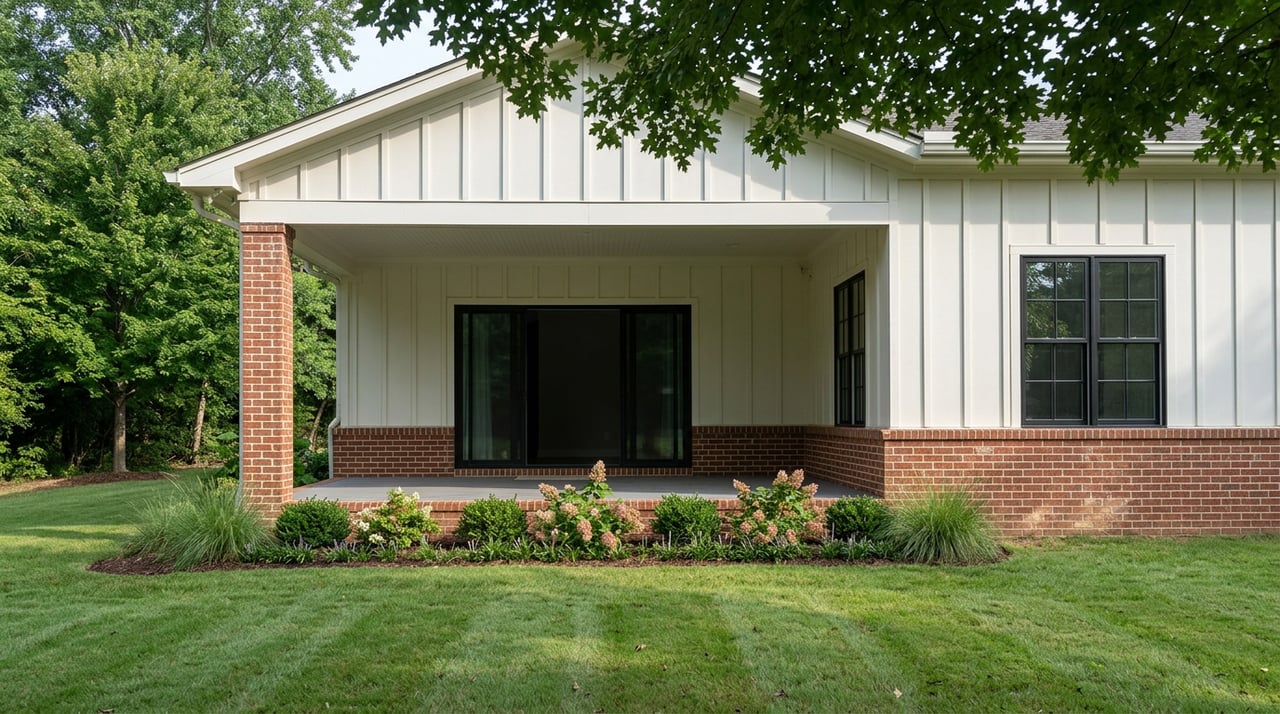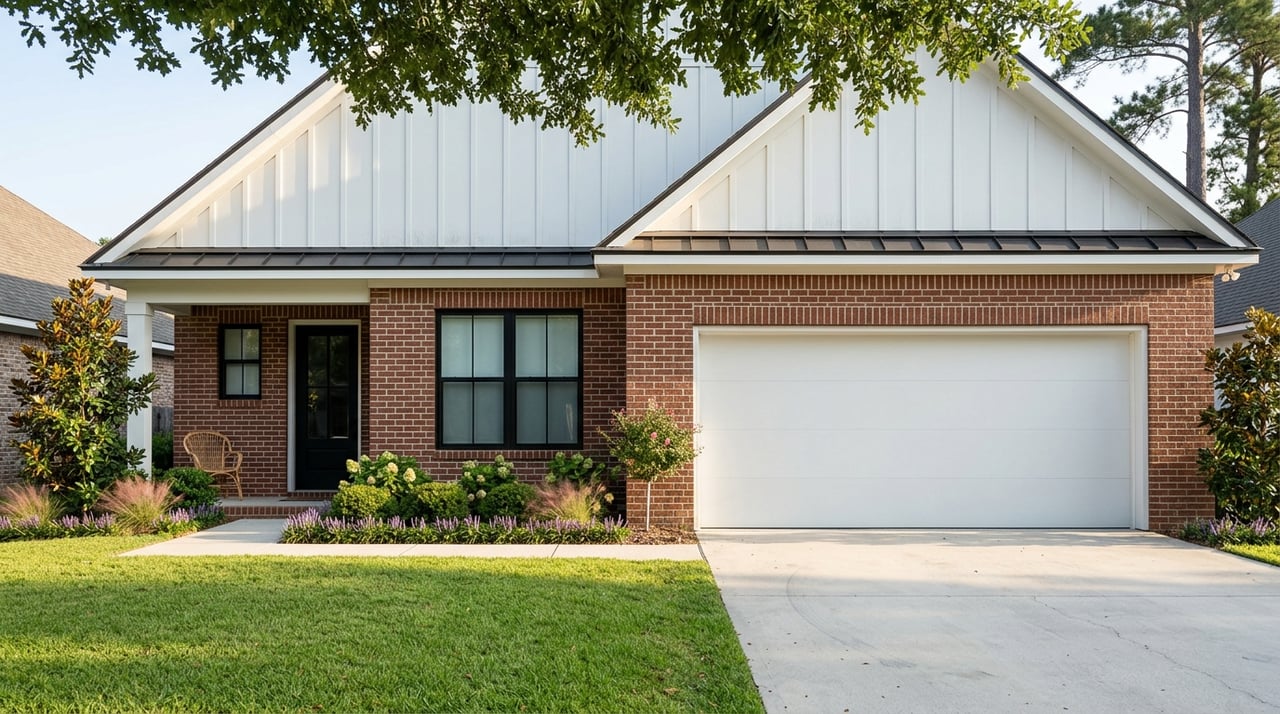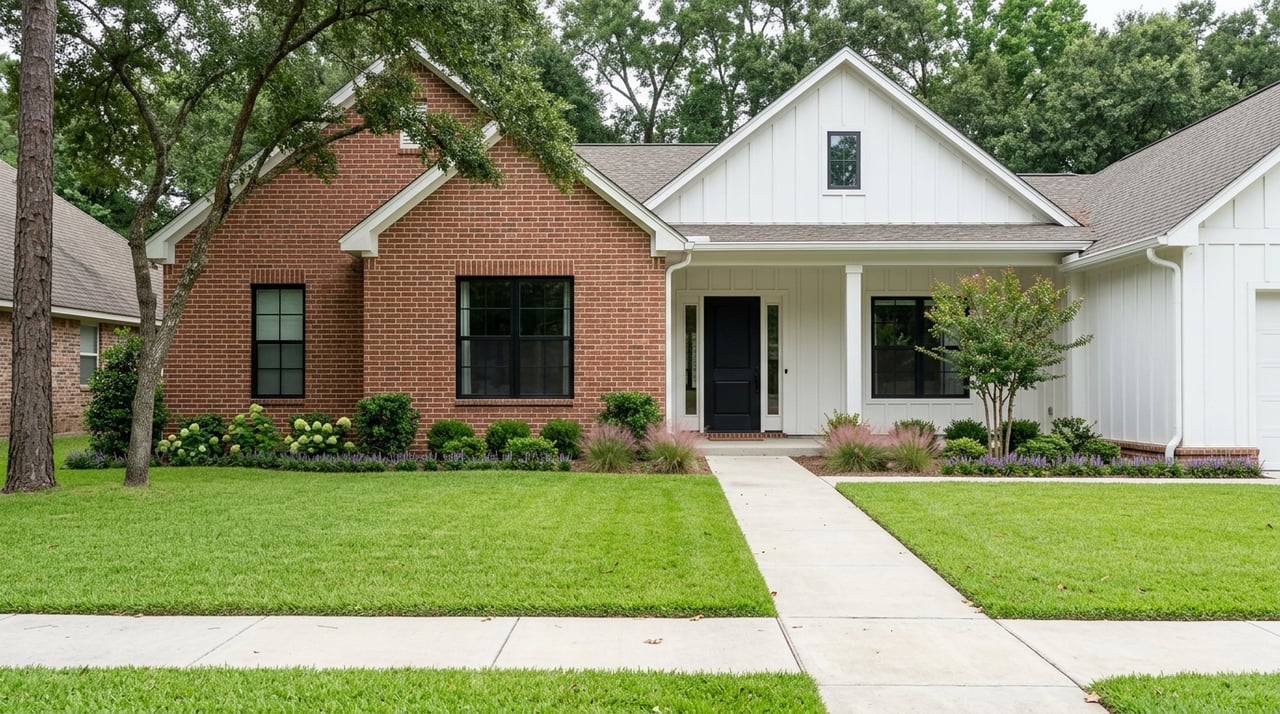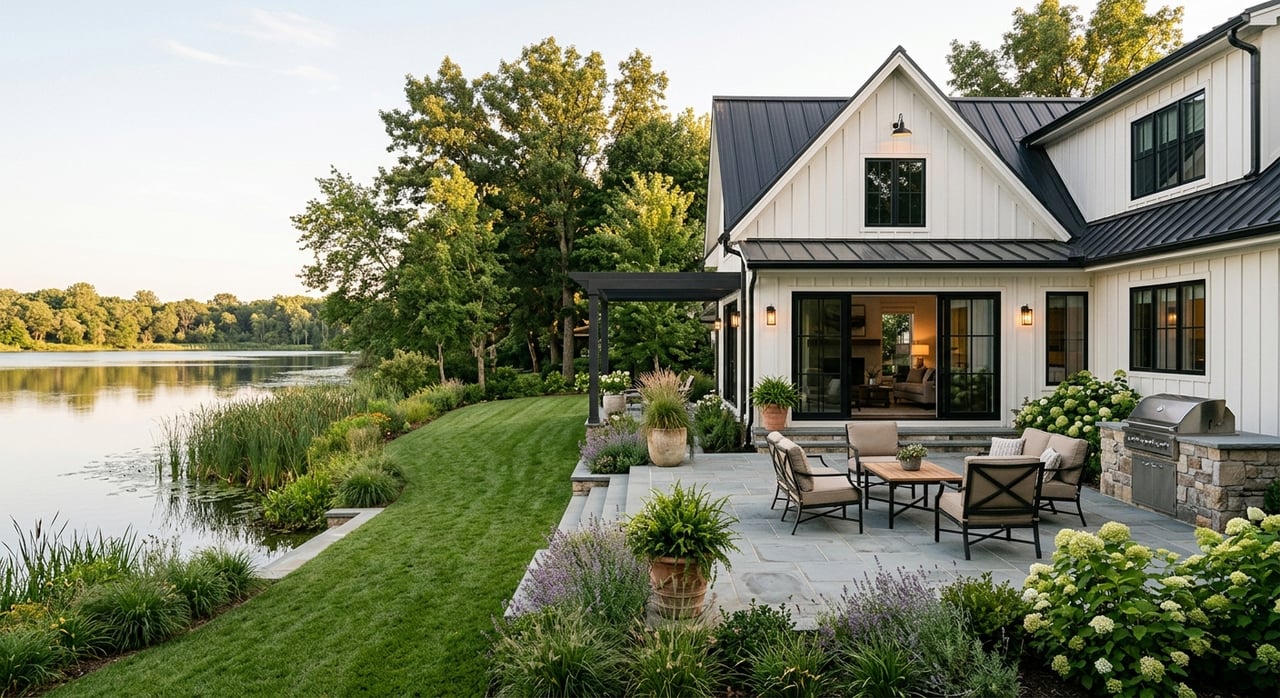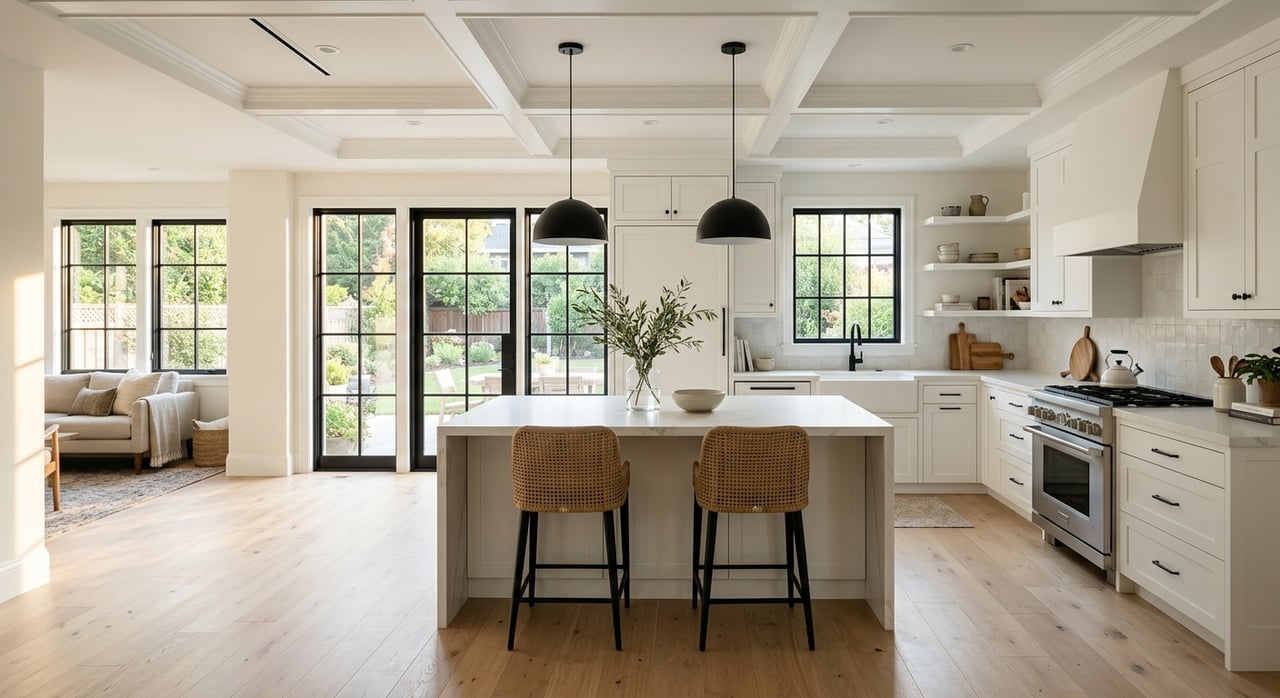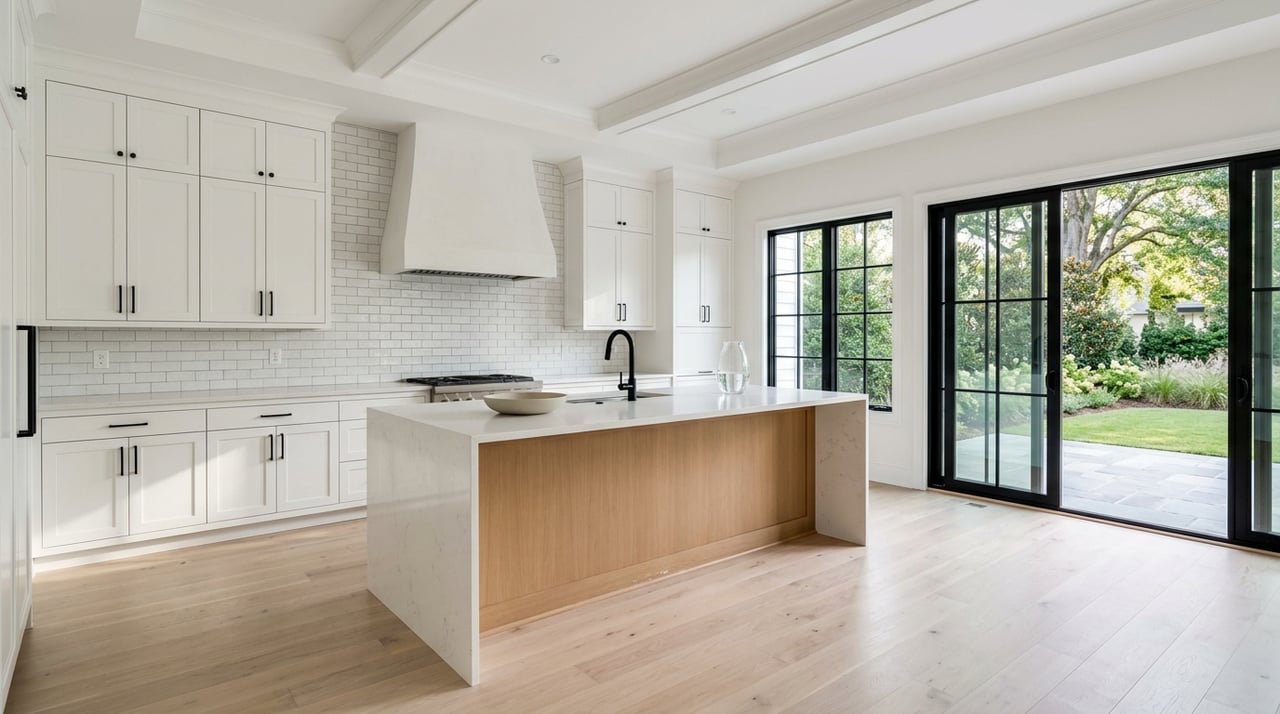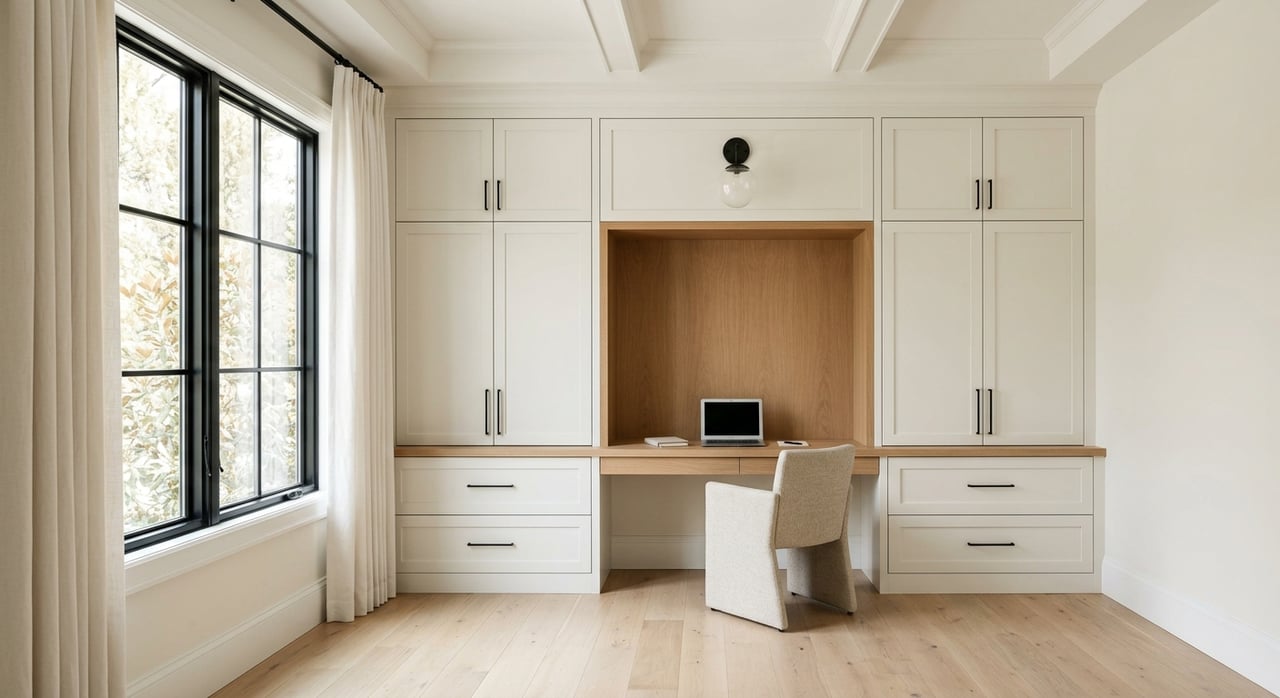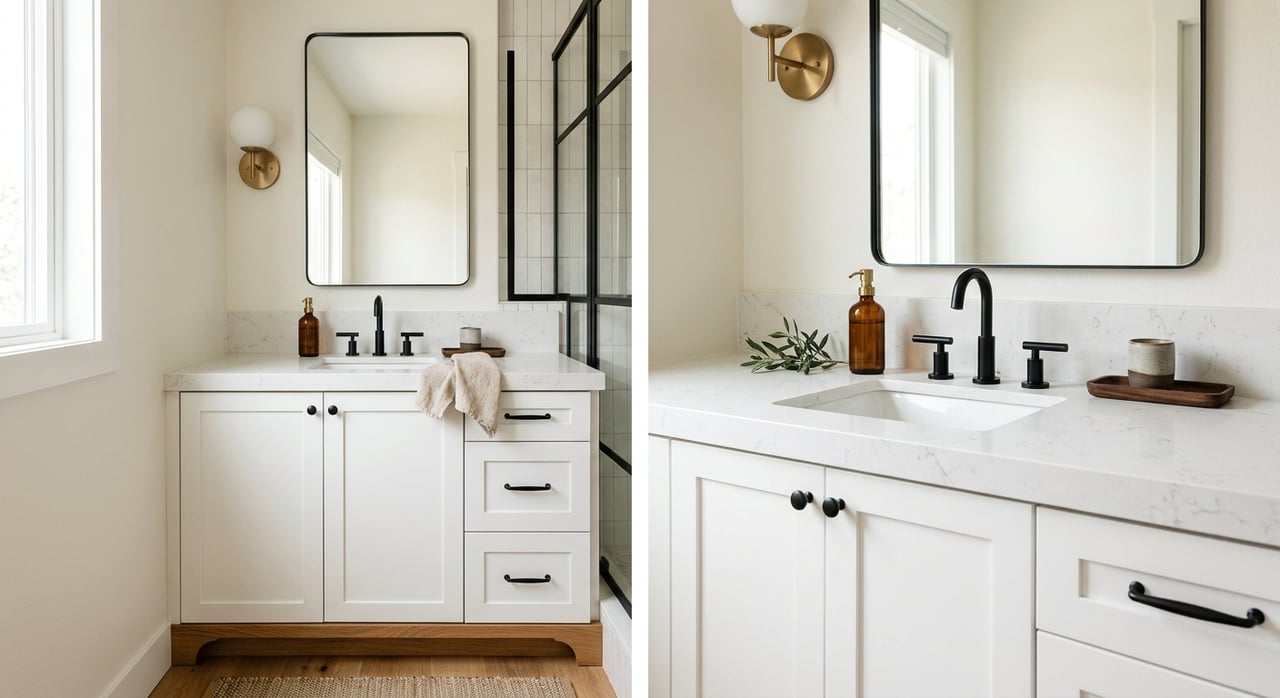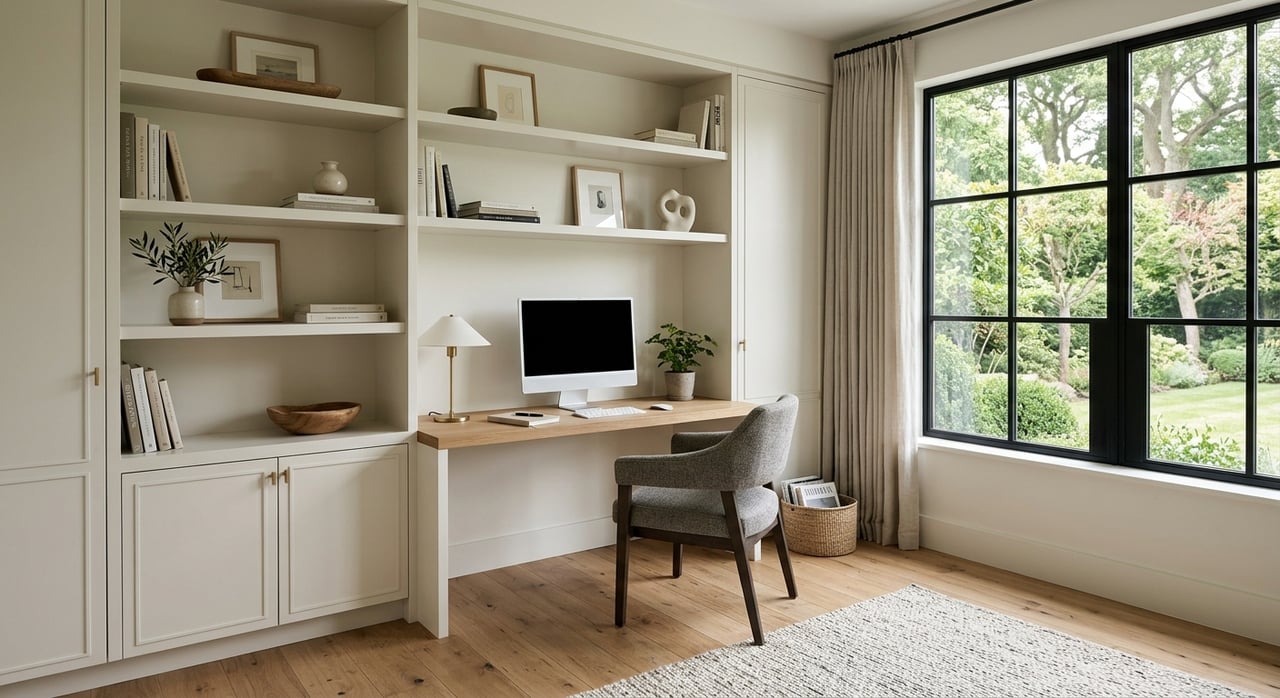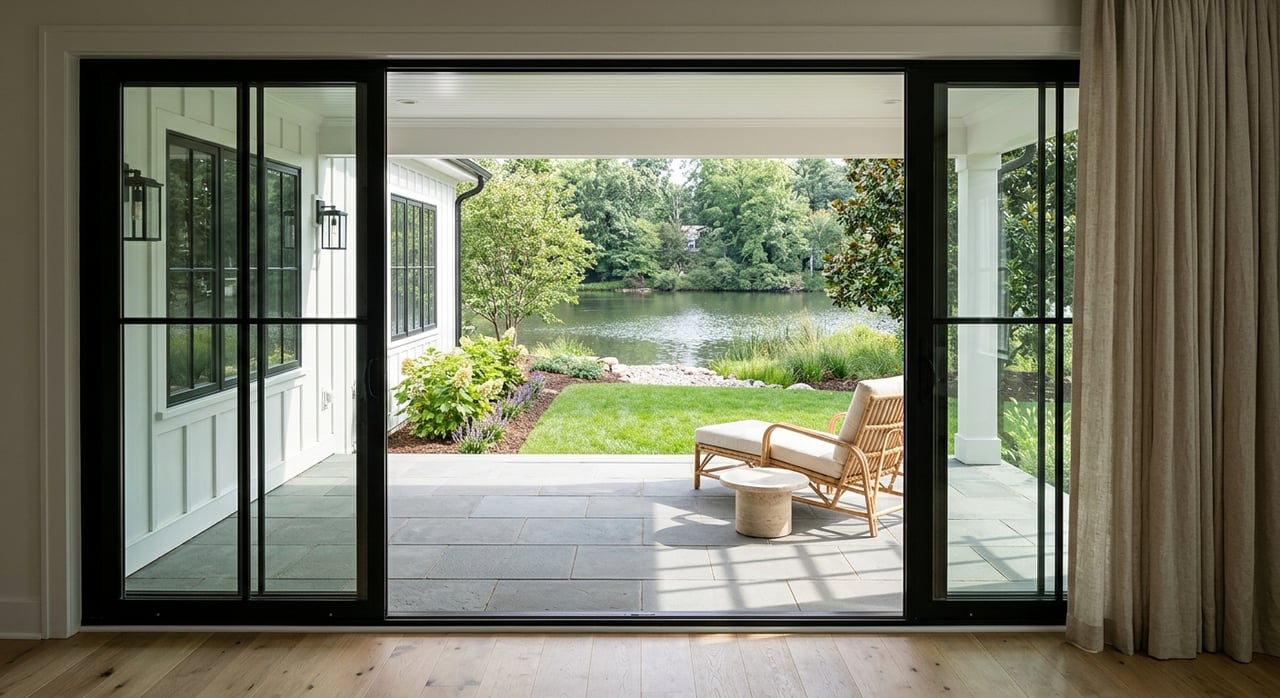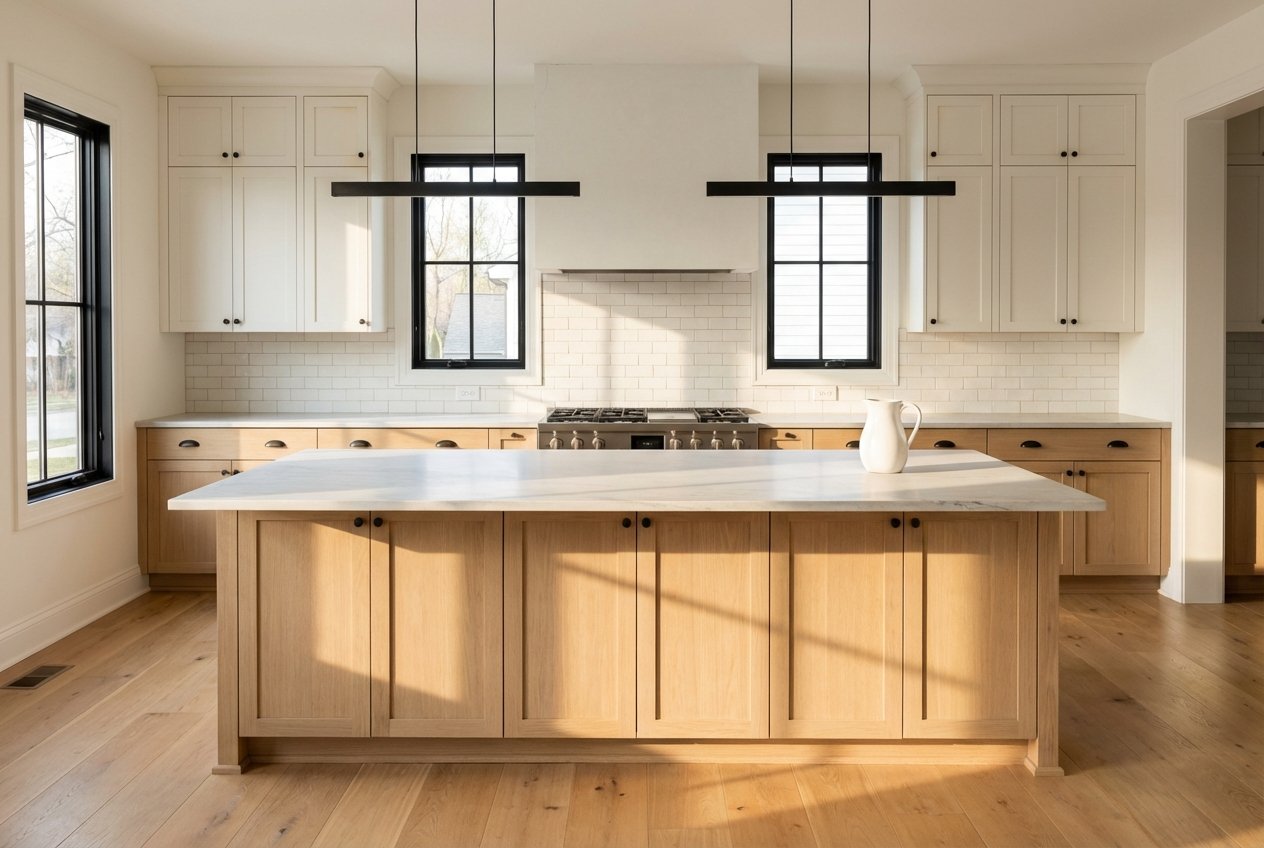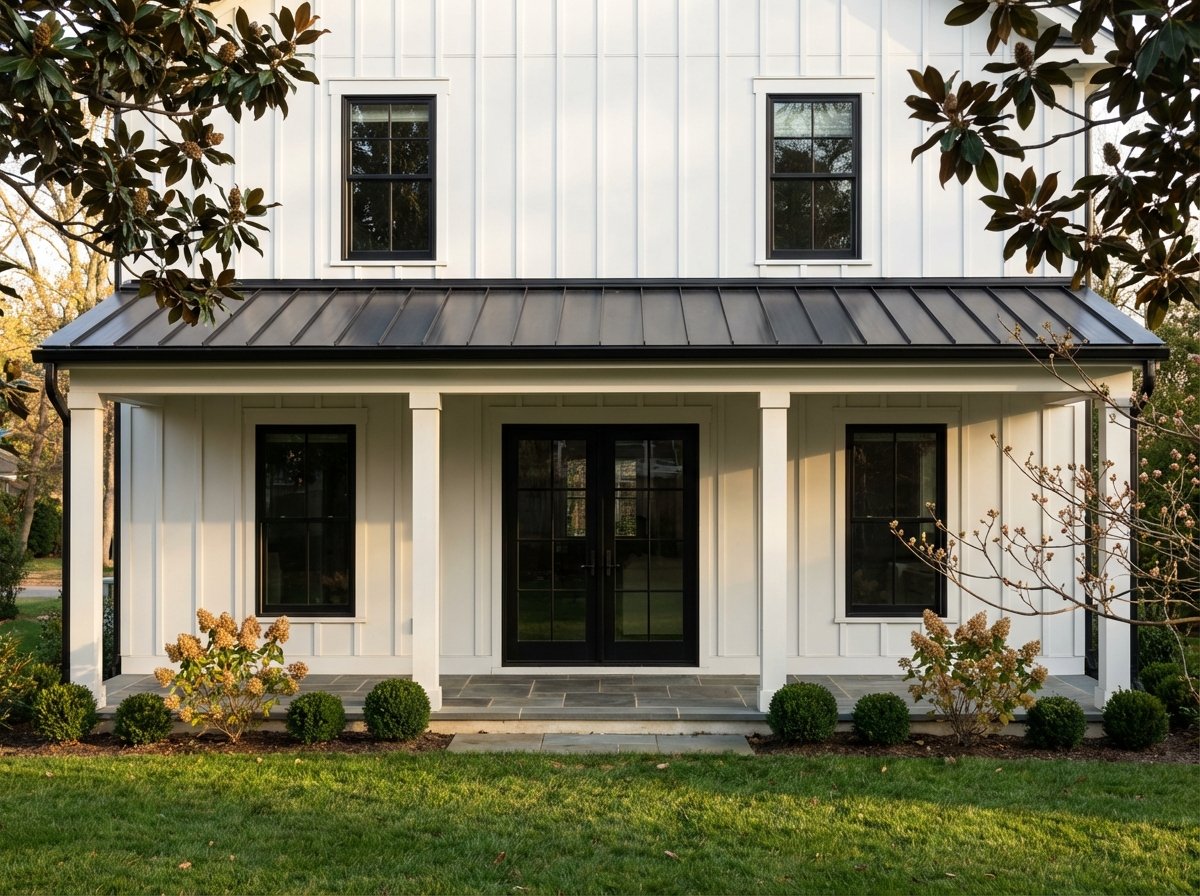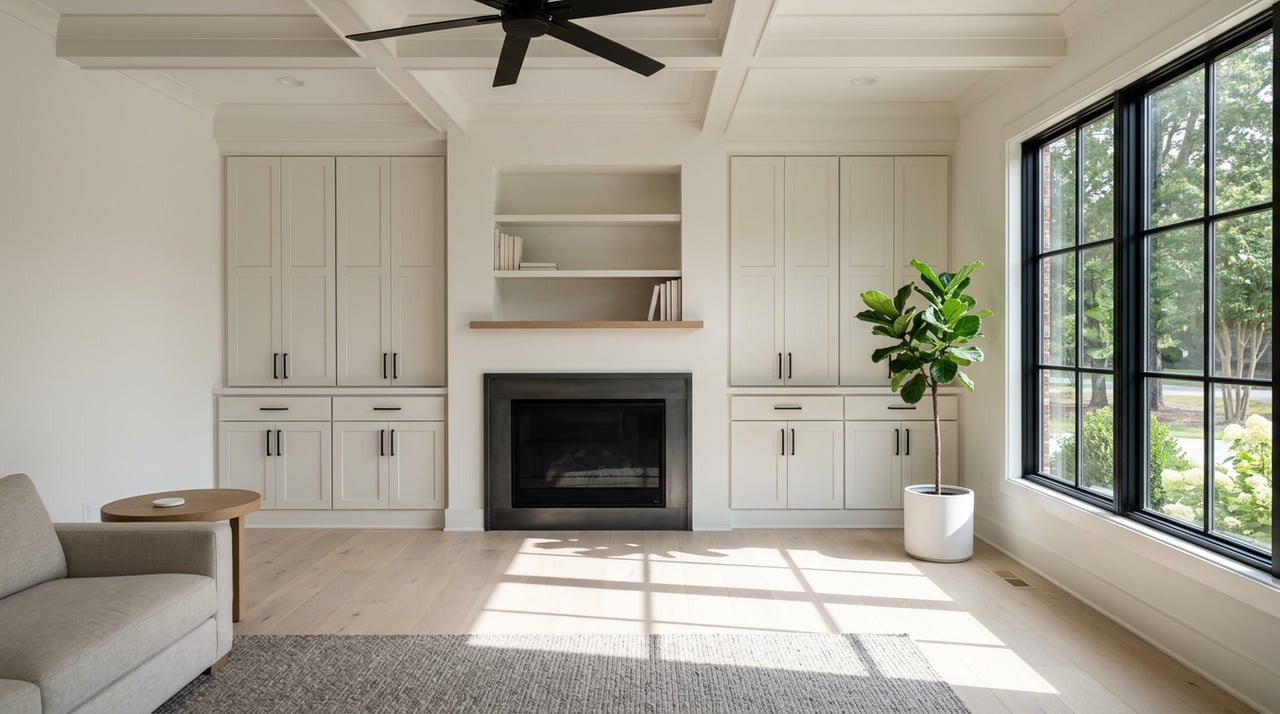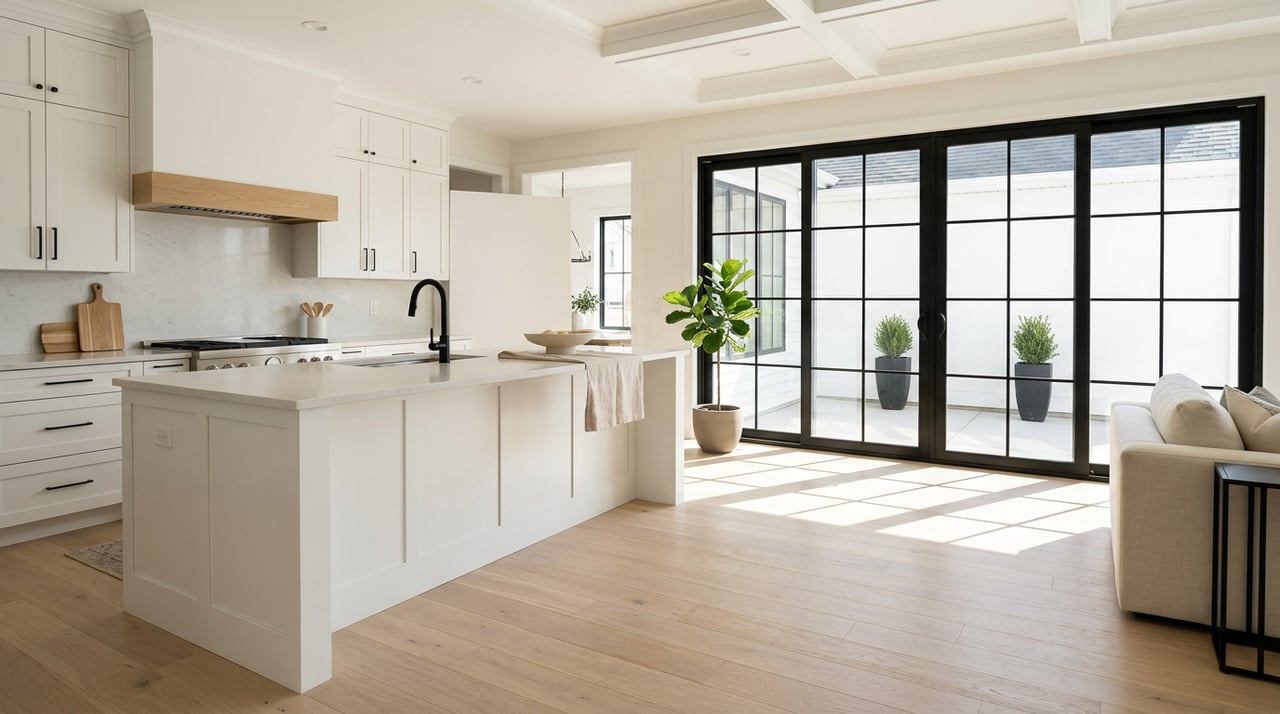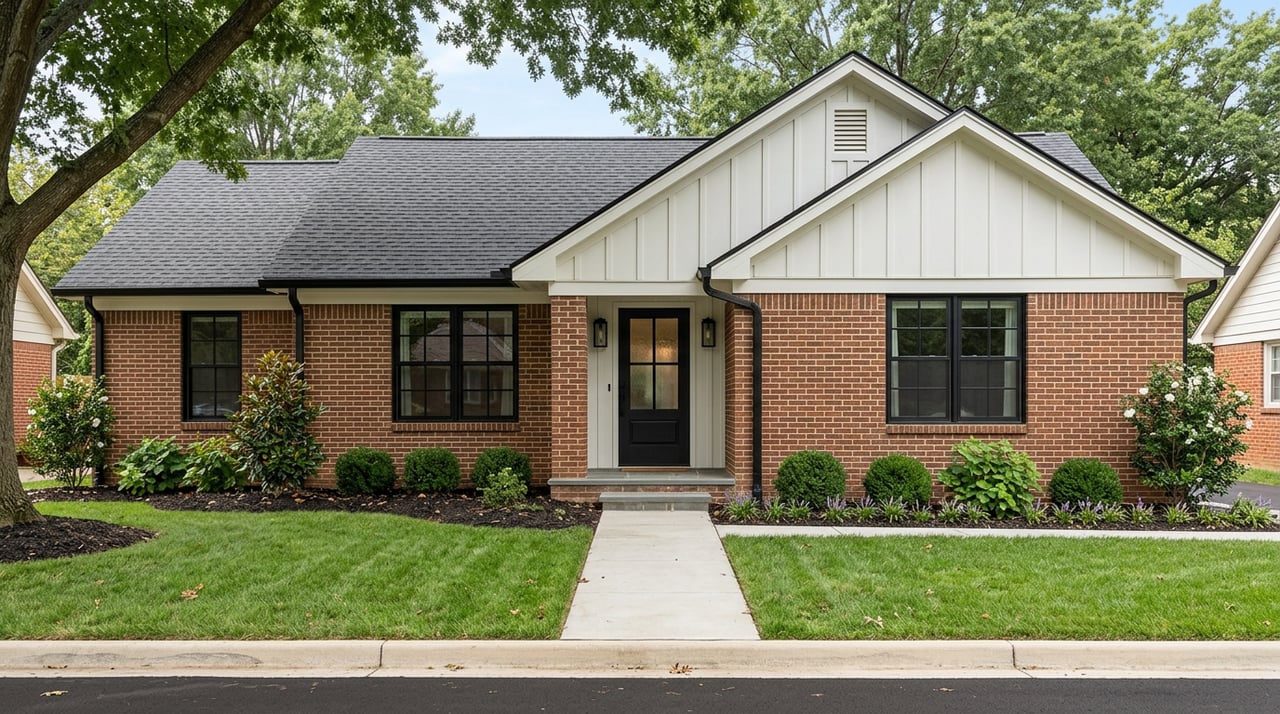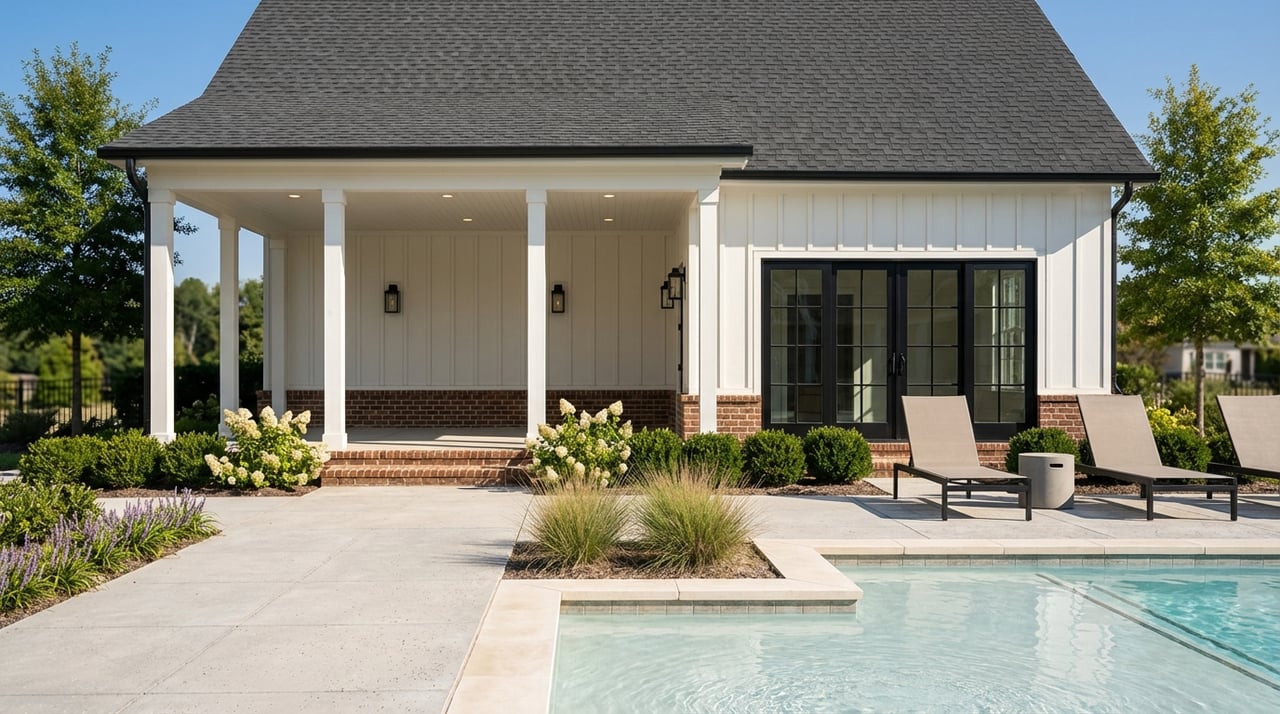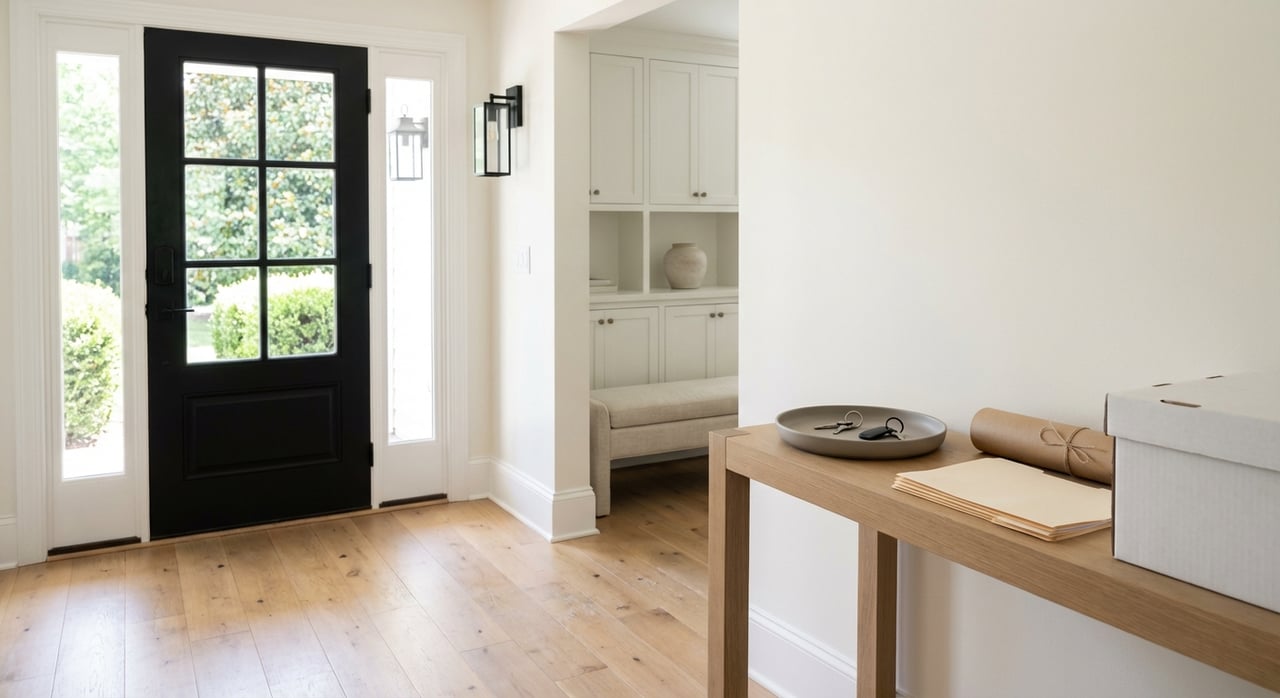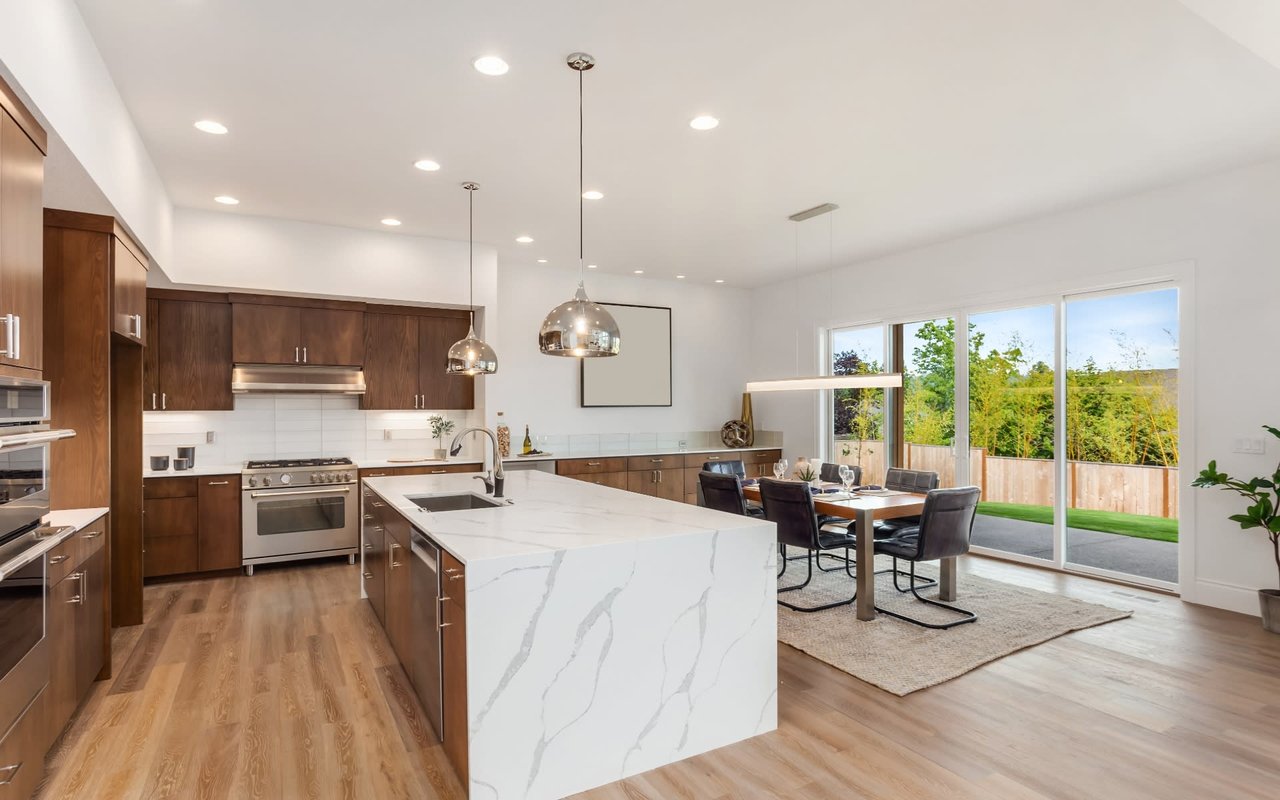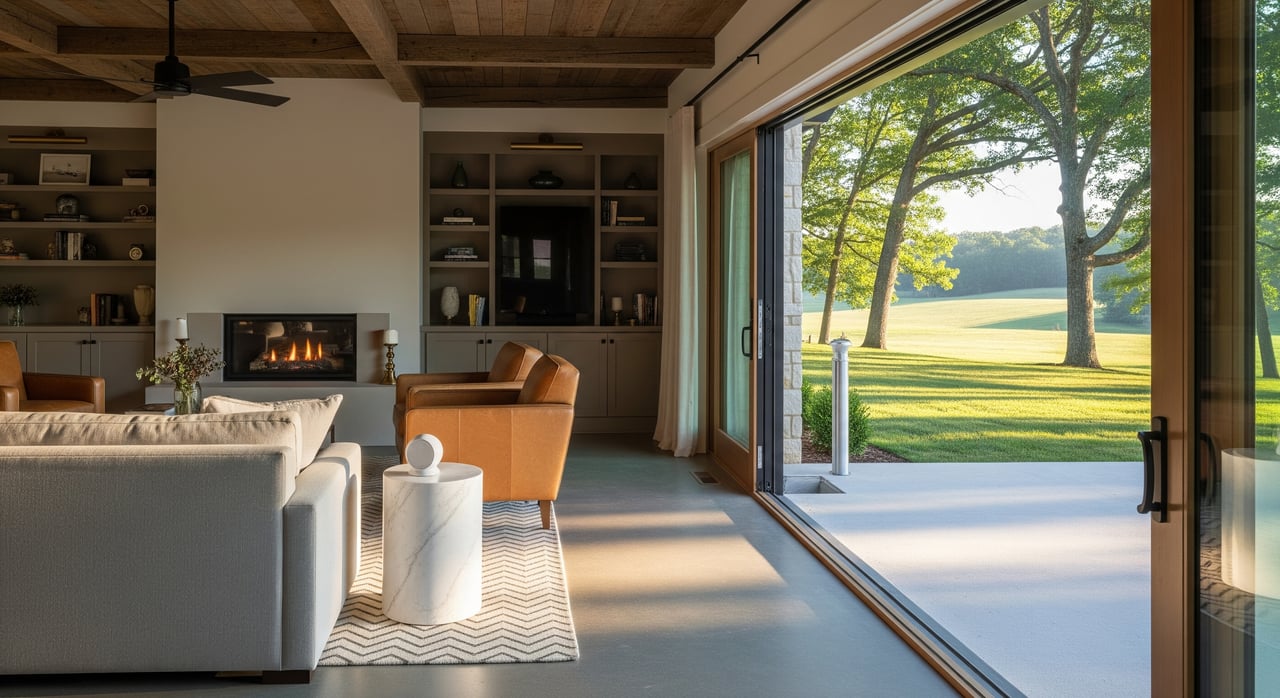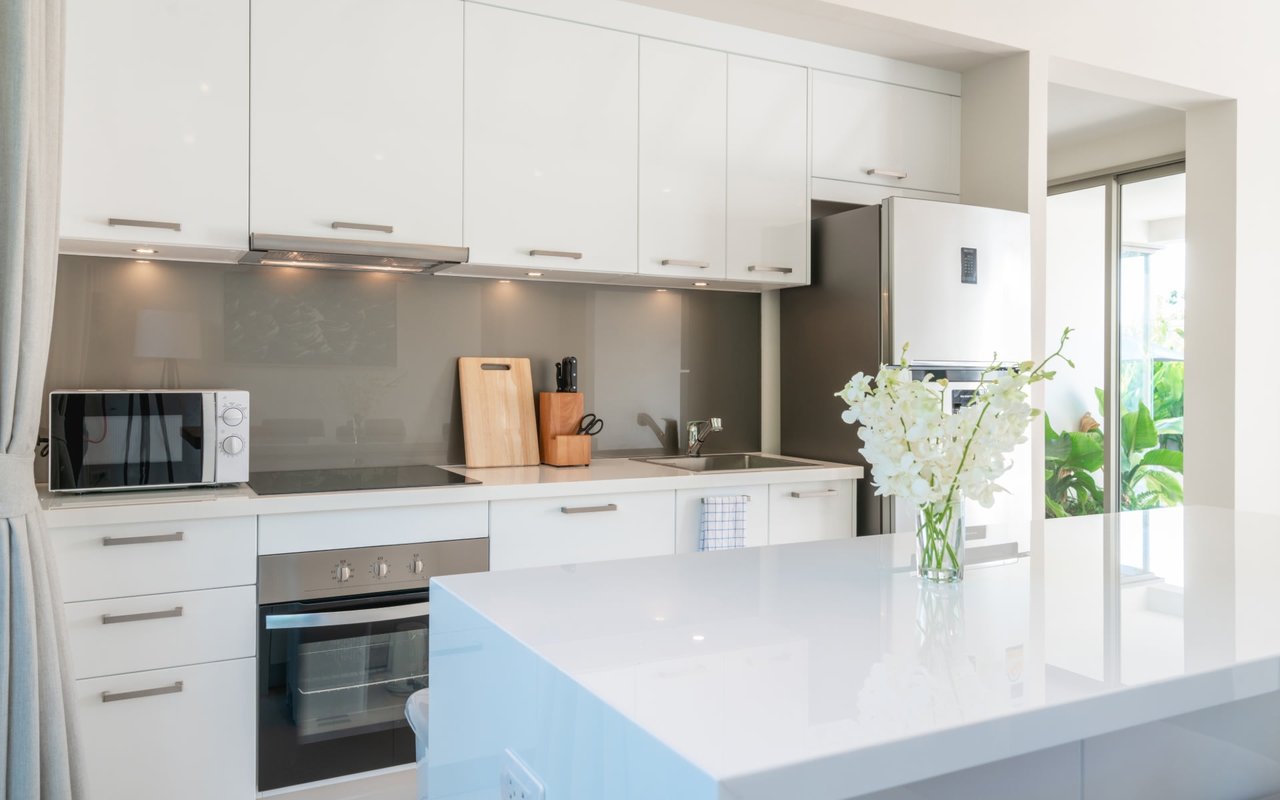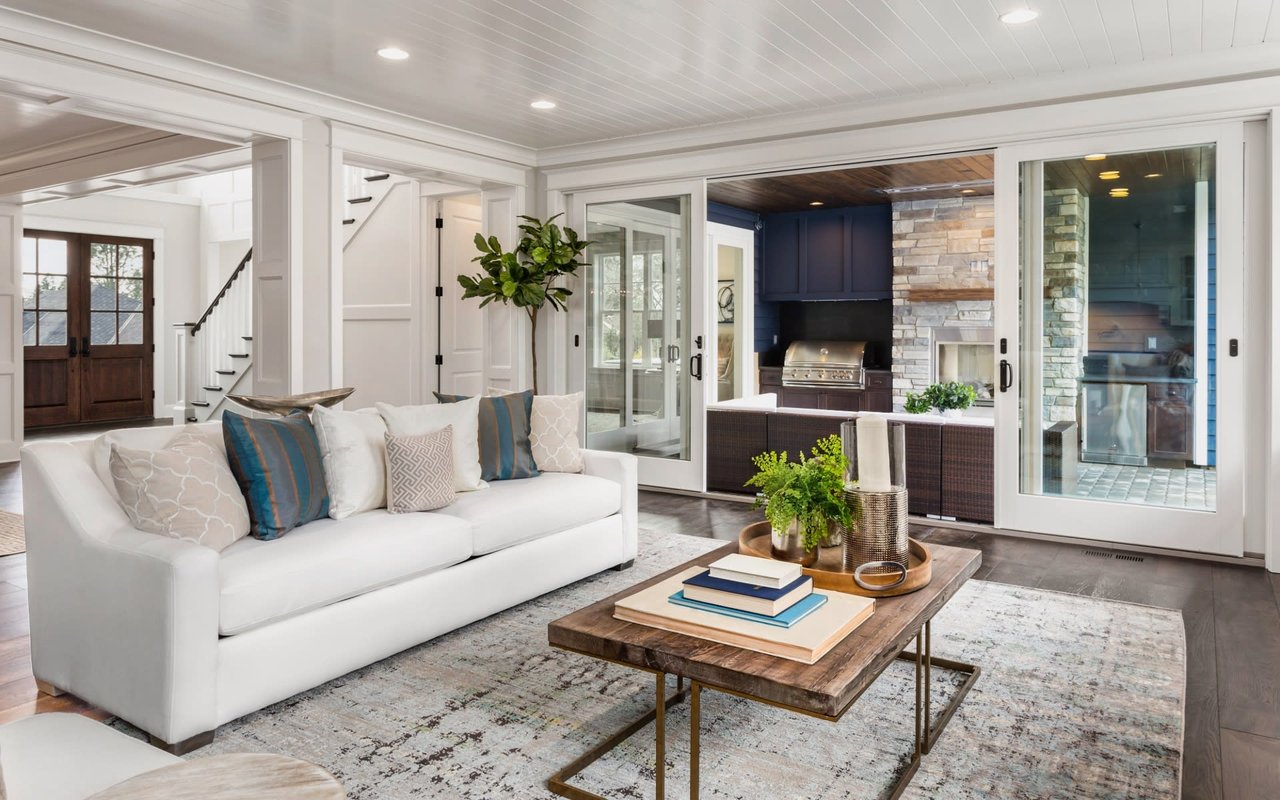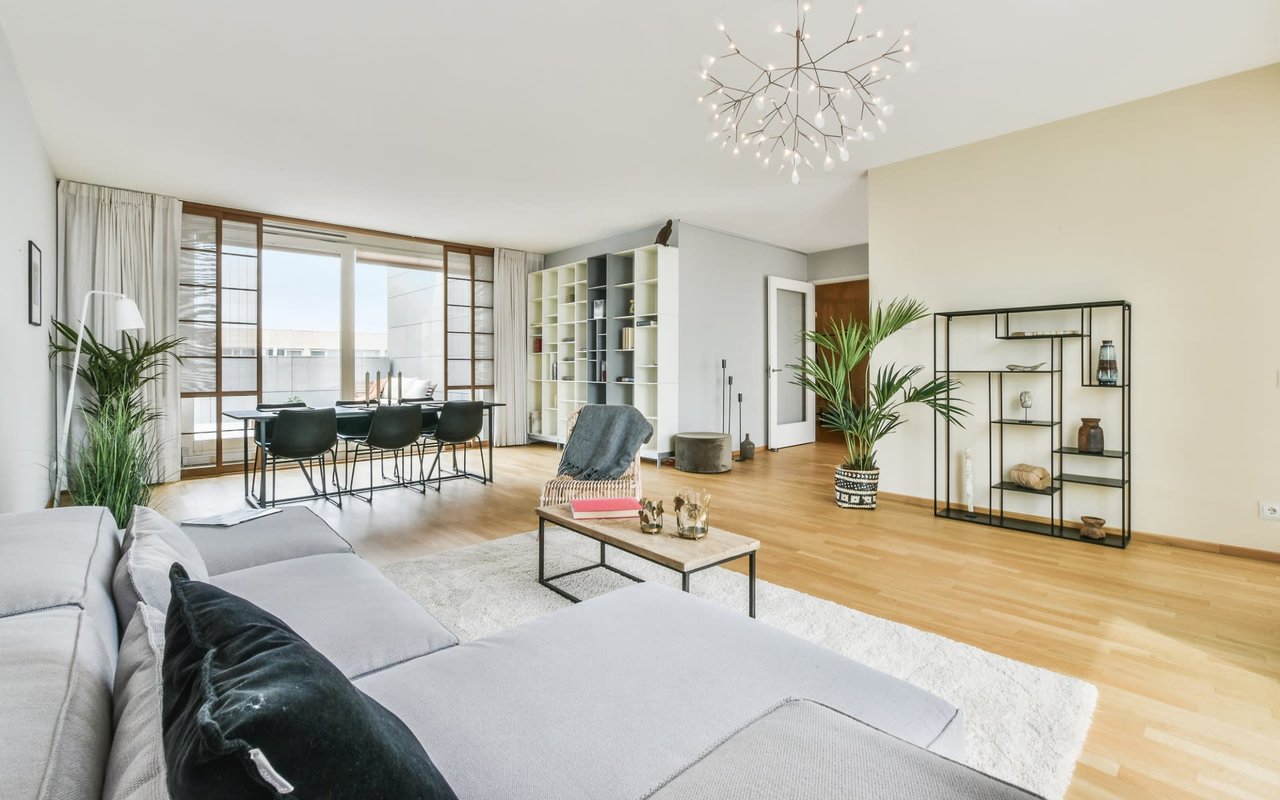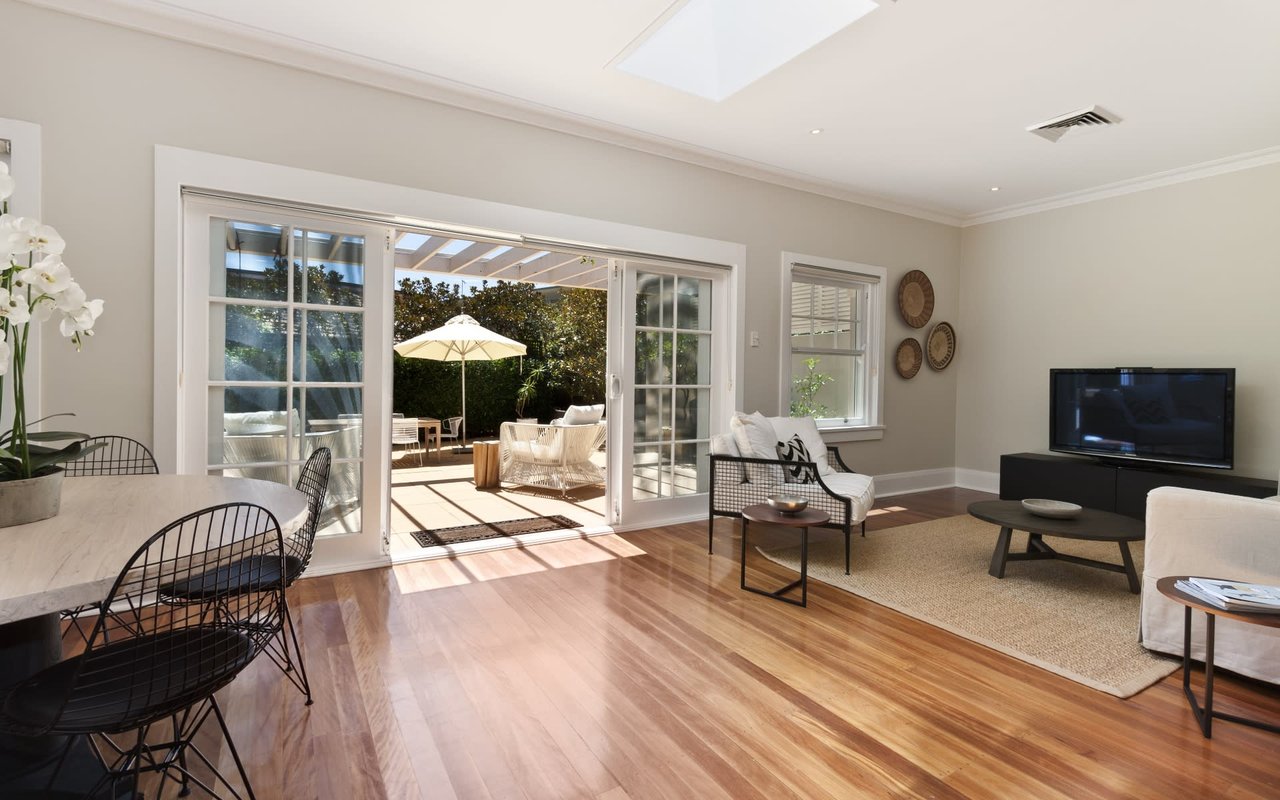
Say you're touring a finished walkout basement in Bromley with your agent. Built-in shelving, a full bathroom, plenty of natural light from the walkout doors. The listing calls it a media room. You're already picturing it as bedroom four for a growing family. Nobody mentions, standing in that room, that the number of bedrooms this house is allowed to have was decided years ago by a soil scientist, not by whoever finished the basement.
That's the part of buying or selling in Weddington that doesn't show up on a listing sheet. Every home in town runs on a private septic system, and North Carolina sizes those systems by bedroom count. A room can have a closet, a window, and a queen bed in it and still not legally count as a bedroom if the septic system on file was never designed to handle it.
Every Room You Can Furnish Isn't a Room the County Counts
North Carolina's onsite wastewater rules, codified under 15A NCAC 18E, size a septic system at 120 gallons of wastewater per day for each bedroom. A system permitted for a three-bedroom house is engineered around 360 gallons a day. Add a fourth bedroom, even informally by finishing a bonus space or converting a home office, and you've pushed a permitted system past the capacity it was designed for. That's a code compliance problem, and it has a habit of surfacing at the least convenient moment: during an appraisal, or during a buyer's due diligence period on a resale, when someone finally pulls the septic permit and finds it doesn't match the bedroom count on the listing.
The state rewrote these rules effective January 1, 2024, the biggest overhaul to onsite wastewater regulation in more than three decades. The technical standards shifted, but the underlying logic that matters to a buyer or seller didn't: the septic permit, not the floor plan, sets the legal bedroom count.
The Reason Every Home in Town Has the Same Setup
This isn't a quirk that shows up on a handful of streets. It's structural. Weddington has a one-acre minimum lot size across most of the town, and that minimum exists because there is no municipal sewer system anywhere inside town limits. Union County Water supplies drinking water to more than 60,000 customer accounts across the county, Weddington included, so the tap water in most homes comes through the same municipal system that serves Marvin, Waxhaw, and Wesley Chapel. Sewage is a different story entirely. It stays on the property, through an individual septic system, full stop.
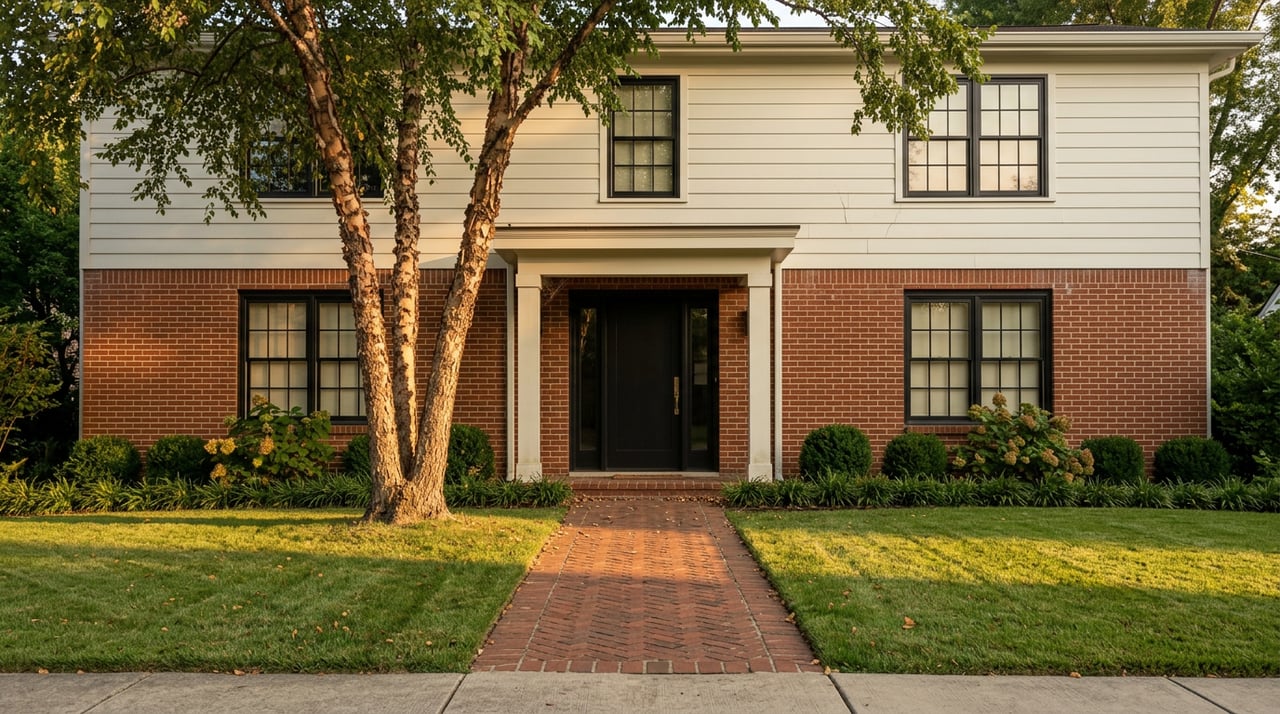
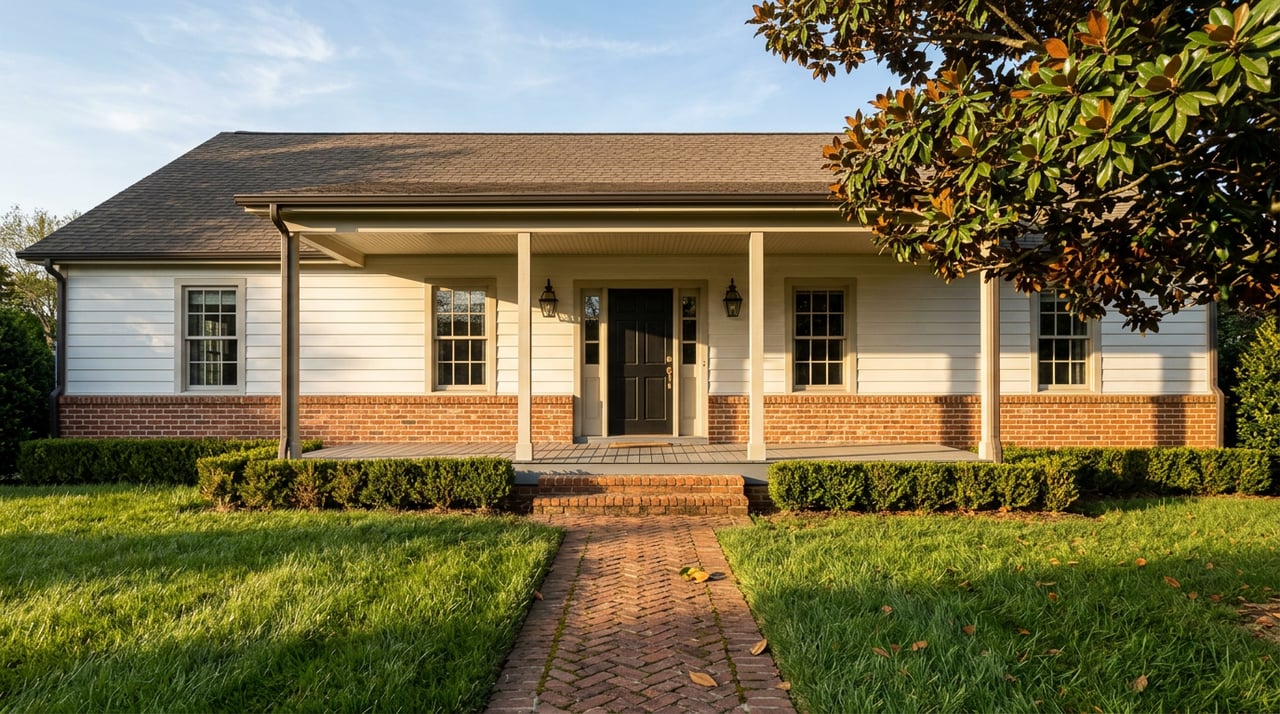
That applies to a 1990s brick colonial in Bromley just as much as it applies to a new build going up in Twin Lakes, Luna Estates, or Elysian at Weddington. Builders active in town right now, including Toll Brothers, Simonini, Linnane Homes, and Classica, are all designing around the same constraint: whatever goes into the ground has to be engineered around a specific bedroom count, submitted to the county, and inspected before anyone moves in. A $3 million custom build and a $700,000 resale are on identical footing here. If the house has a toilet, it has its own private wastewater system somewhere on the lot, sized for a specific number of bedrooms and no more.
Getting from raw dirt to an occupied house with a legal bedroom count runs through three sequential permits, and skipping a step isn't an option.
| Permit | What It Confirms | Who Issues It |
|---|---|---|
| Improvement Permit | Soil and site conditions can support a septic system, and what type. Valid five years. | Union County licensed soil scientist or Environmental Health |
| Construction Authorization | The specific system design, sized to a bedroom count, is approved before digging starts | Union County Environmental Health |
| Operation Permit | The completed system was built exactly to the approved design and passed final inspection | Union County Environmental Health, after inspection |
That third permit, the Operation Permit, is the document that locks in how many bedrooms the house is legally allowed to have. It's also the document nobody thinks to ask for until a lender or an appraiser asks first.
What This Does to Pricing and Inventory
The septic constraint doesn't just create a paperwork risk. It shapes the market itself, and it explains something that trips up a lot of buyers comparing listing prices across sources: Weddington's median sale price has been reported wildly differently depending on the month and the snapshot. In December 2025, the median sale price for the month was reported near $1.0 million. Spring 2026 snapshots landed closer to $1.275 to $1.325 million for median sold price, with price per square foot around $302 as of April 2026. A trailing twelve-month figure reported by mid-2026 climbed past $2.3 million.
That's not three different markets. It's one small, thin market where a handful of large new-construction closings can swing the median hard depending on which month they land in the data. And the reason inventory stays thin enough for a few closings to move the number that much comes back to the same structural fact: Weddington can't add density the way a town on municipal sewer can. A town with a central treatment plant can subdivide down to whatever the zoning code allows, because the plant handles the volume. Weddington's lot sizes are set by what individual soil can process on an individual acre, not by what a developer would prefer to build. New supply arrives in occasional batches, built-to-suit communities like Twin Lakes or Luna Estates coming online a handful of homes at a time, rather than as a steady stream.
That scarcity shows up in price per square foot too. Established resale homes from the 1990s and 2000s on one to three acre lots typically start in the mid-$700s to low $900s, while comparably sized homes in nearby Indian Trail, a town with more conventional infrastructure and smaller lots, run meaningfully lower. The gap isn't just schools or acreage. It's that Weddington's growth ceiling is soil-limited rather than policy-limited, and the market prices that ceiling in.
What a Point-of-Sale Septic Inspection Actually Checks
North Carolina doesn't have a blanket statute requiring a septic inspection before every home sale. In practice, it happens anyway. Most mortgage lenders, especially for FHA and VA loans, require one before funding, and only inspectors certified through the North Carolina Onsite Wastewater Contractor and Inspector Certification Board are authorized to perform a point-of-sale inspection. Not a plumber, not a general contractor, not whoever last pumped the tank.
A standard inspection covers the tank's structural integrity and baffles, the effluent filter that's been required on every NC system since 1999, the distribution box, and drain field performance, checking for surfacing effluent or soggy ground. It also verifies that the bedroom count matches the Operation Permit on file with the county. A point-of-sale inspection typically takes ninety minutes to two hours. Most residential systems need pumping every three to five years depending on household size and water use, and pumping costs across the state generally run in the low hundreds to around $900 depending on system complexity and access. Regular pumping is the simplest way to avoid the kind of drain field damage that turns into a far costlier repair down the line.
Where This Catches Buyers and Sellers Off Guard
North Carolina's Residential Property Disclosure Act requires sellers to disclose known material defects, including known septic problems, but that's a disclosure requirement, not an inspection mandate. Separately, brokers are expected to verify that a home's stated bedroom count matches the septic permit on file and to include a copy of that permit with the MLS listing. When those two numbers don't match, because a bonus room got finished off the books somewhere along the way, it becomes a problem that has to get resolved before a lender will close.
North Carolina's standard due diligence period runs roughly ten to twenty-one days depending on how the contract is negotiated. The mistake worth avoiding is scheduling the septic inspection in the final days of that window instead of the first few. Requesting the permit history early, directly from Union County's Environmental Health department, gives you time to resolve a mismatch, whether that means treating the fourth bedroom as a bonus room on paper or confirming the drain field has capacity to spare, before it becomes a closing-week emergency.
None of this should scare anyone away from buying in Weddington. It should change what you're looking at when you walk a property. A seller who can produce a clean Operation Permit and a recent inspection report is handing a buyer exactly the kind of documentation that makes writing an offer easier. A buyer who asks for that permit before falling for the bonus room is protecting a closing timeline that would otherwise be at the mercy of a mismatch nobody caught until the appraisal came back.
A Few Common Questions
Does every home in Weddington run on well water too? Not typically for drinking water. Union County Water supplies the municipal water system that most Weddington properties connect to. The septic requirement is specifically about sewage, which every property handles on-site regardless of where its drinking water comes from.
Will Weddington ever get municipal sewer? There's no indication of active plans to extend sewer mains into the town's residential districts. The town's development ordinance is built around the current low-density, on-site wastewater pattern, so buyers should plan around septic for the length of a typical ownership horizon.
How do I find the septic permit history for a specific address? Union County Environmental Health maintains permit records for systems it has permitted. An agent or attorney can request an Existing Permit Records search, which confirms what was originally permitted and when, though it won't tell you the system's current condition on its own.
If you're weighing a bonus room's potential, pricing a Weddington listing, or trying to make sense of why the comps look so different from one source to the next, a conversation early in the process saves real time later. Jeremy Ordan and the team built their process around exactly this kind of local detail. Start your next move with a trusted team, let's talk.